
How to Start a Trucking Business
Dispatch circle
0
This podcast explains how to start an owner-operator trucking business in the USA. It highlights why trucking is a large and steady freight industry, with trucks moving most of the country’s freight. It offers practical guidance for people considering a driving-based business of their own.
Episodes
-
 Reading Your Truck's ECM Data: Telematics That Cut Real Costs 30.10.2026 4mYour truck's engine computer records idle time, hard braking, fuel economy, and fault codes. Learn how a weekly 15-minute data check cuts fuel costs and turns surprise breakdowns into planned shop visits.
-
 Safety Meetings That Work: Toolbox Talks Drivers Actually Attend 29.10.2026 4mMost safety meetings are forgotten by lunch. Learn the 15-minute toolbox talk format: one topic, real driver stories, documented attendance, and follow-through that actually moves your violation numbers.
-
 Fuel Hedging for Small Carriers: Locking Diesel Prices Without a Trading Desk 29.10.2026 4mDiesel price spikes can erase a week's profit. Learn how small carriers use fixed-price contracts, price caps, and pooled hedging to lock in fuel costs, and the golden rule: hedge only the gallons you know you will burn.
-
 Building a Driver Referral Program That Actually Fills Seats 29.10.2026 4mYour drivers are your best recruiters. Learn how to structure a referral bonus that rewards retention, promote the program so drivers actually use it, and measure cost per hire against agency recruiter fees.
-
 Trucking Business Partnerships: Splitting Authority, Trucks, and Profits 29.10.2026 4mStarting a trucking company with a partner? Learn how to split operating authority, value trucks and cash contributions fairly, divide profits between work and capital, and write a buyout clause before the first load.
-
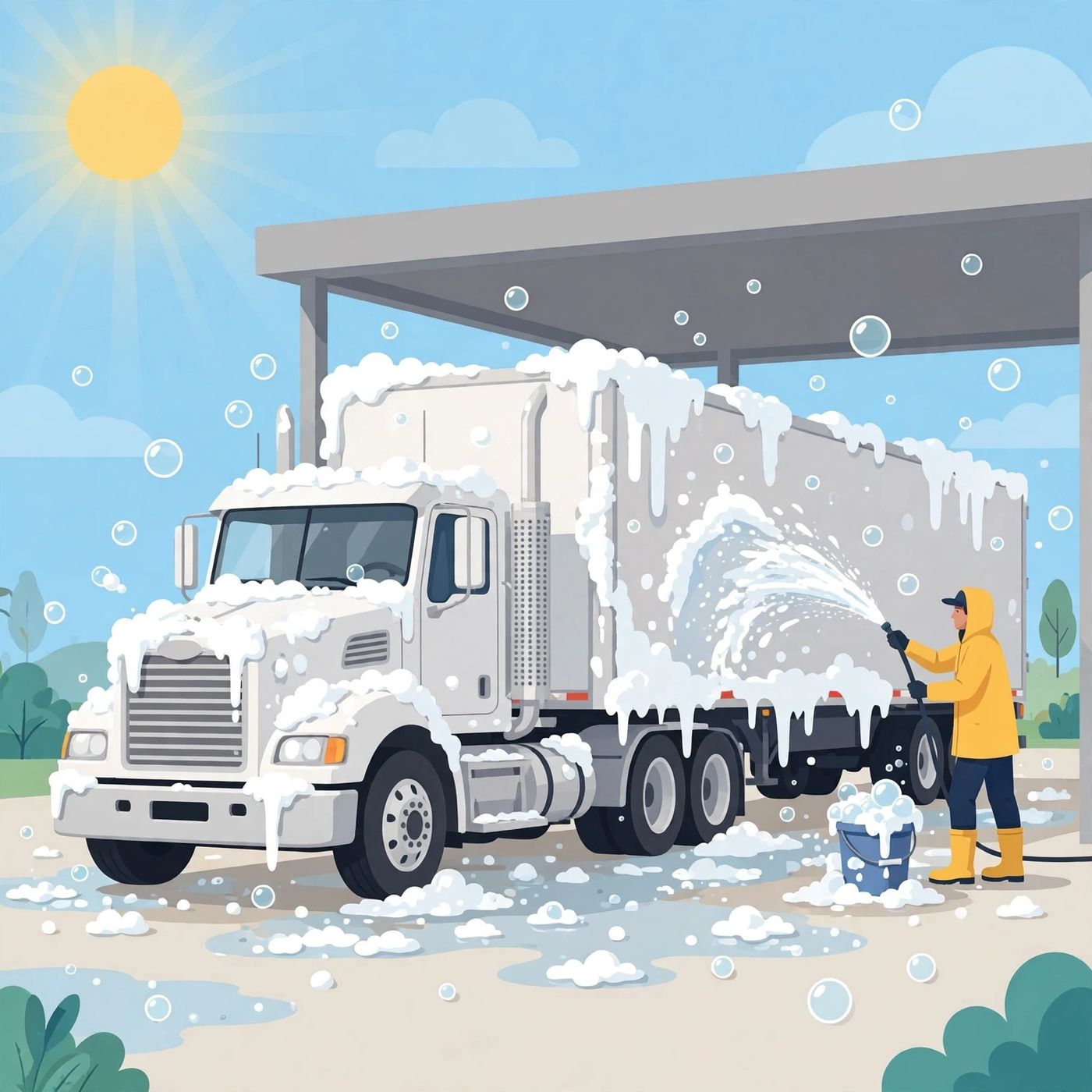 Truck Detailing and Appearance: Does a Clean Truck Earn Better Freight? 26.10.2026 4mA wash will not raise your rate per mile, but a clean truck gets loaded faster, inspected more smoothly, sold for more, and remembered by the customers who award the next load. What shippers and inspectors read from your equipment, what washing and detailing actually cost, and the simple weekly routine that protects your reputation.
-
 Your Back Office: Dispatcher, Bookkeeper, and Accountant Roles Explained 26.10.2026 4mEvery owner-operator starts out doing everything, but a growing carrier needs three distinct back-office roles: the dispatcher who finds and negotiates freight, the bookkeeper who keeps cash flowing and records clean, and the CPA who handles tax strategy and entity choice. What each role does, what each costs, and the order to hire them in.
-
 Home Time by Design: Building Routes Around Family Life 26.10.2026 4mDrivers leave over home time more than over pay, yet most carriers treat it as whatever is left after freight is covered. How dedicated lanes, regional freight, published schedules, and protected home days build a home-time-first operation, and why measuring promised versus actual home days is what makes the promise real.
-
 Tariffs and Freight: How Trade Policy Moves Truck Rates 26.10.2026 4mTariffs do not just change prices, they move freight: pre-deadline import surges, collapsing lanes from the affected country, retaliatory hits on farm exports, and nearshoring growth at the Mexican border. How each pattern shows up on the load board, and how lane diversification, contract balance, and surcharge reviews keep a small carrier flexible.
-
 Freight Identity Theft: When Criminals Steal Your MC Number 26.10.2026 4mCriminals clone legitimate carriers' MC numbers and company identities to steal loads or double-broker freight they never touch. How phishing, fake FMCSA sites, and hijacked contact records enable the scam, the red flags that should stop a booking cold, and how to lock down your FMCSA PIN and verify every new contact.
-
 Insurance Premium Audits: Why Your Final Bill Can Jump After Renewal 26.10.2026 4mMany trucking policies are priced on estimates, and at the end of the term the insurer audits your actual trucks, drivers, and radius, then bills the difference in one lump sum. Why audit bills jump, how growth and misclassification create them, and how clean records, mid-year reporting, and checking the audit worksheet keep the surprise small.
-
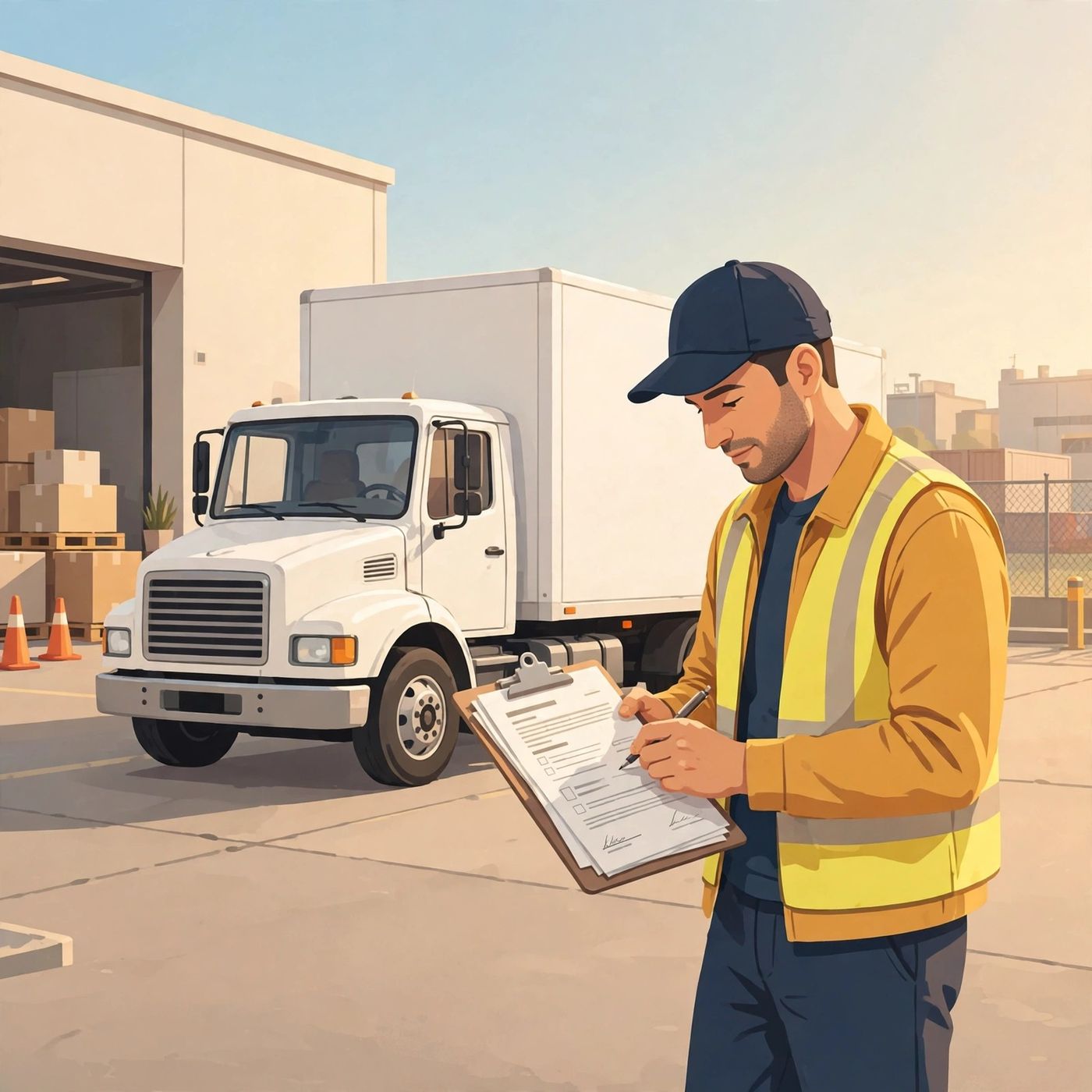 Common vs Contract Authority: Which Operating Authority Fits Your Business 26.10.2026 4mCommon authority and contract authority sound like a trick question, but the difference shapes your cargo liability and your insurance filings. What each type means in modern practice, why most small carriers should hold both, and why the choice never changes your safety obligations.
-
 Hauling for the Government: Defense and GSA Freight Contracts 26.10.2026 4mThe federal government is one of America's biggest shippers, and it always pays, even if it pays slowly. How defense freight through prime contractors and civilian freight through GSA programs work, what SAM.gov registration, SCAC codes, and security credentials are required, and why steady government lanes are worth more than a premium spot rate.
-
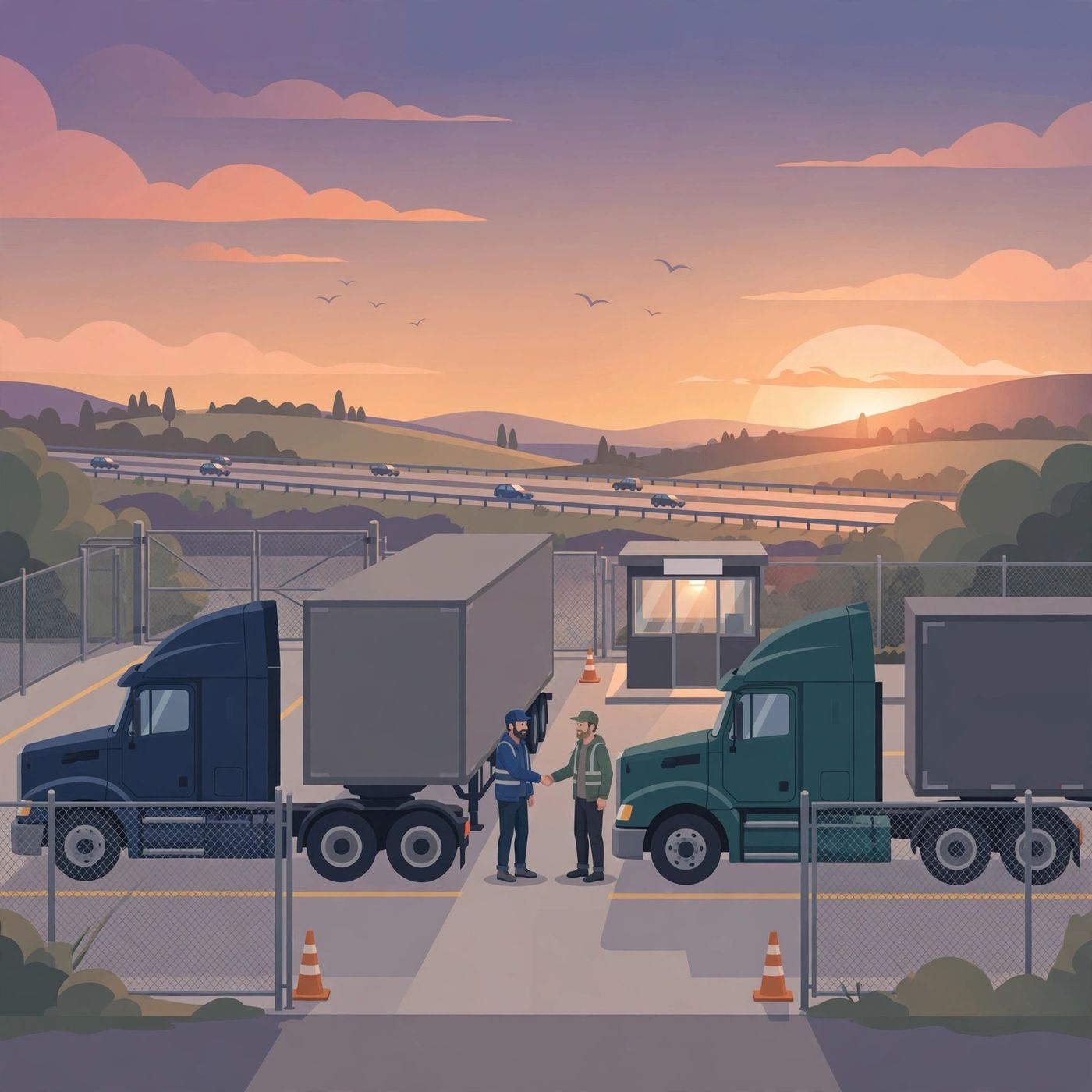 Relay Networks: How Small Carriers Share Long-Haul Freight 26.10.2026 4mIn a relay, freight moves in segments between partner carriers, so drivers sleep at home while loads keep rolling coast to coast. How two-carrier swaps and small relay networks work, why the handoff inspection and interline insurance matter, and how to vet partners before you commit a lane.
-
 The 150 Air-Mile Short-Haul Exemption: Running Local Without an ELD 26.10.2026 4mDrivers who stay within 150 air-miles of their home base and return within 14 hours can legally skip the ELD and the logbook, but the carrier must still keep time records for six months. How the short-haul exemption works, the 16-hour exception, and the mistakes, like one delivery outside the circle or one hour past the clock, that void it for the whole day.
-
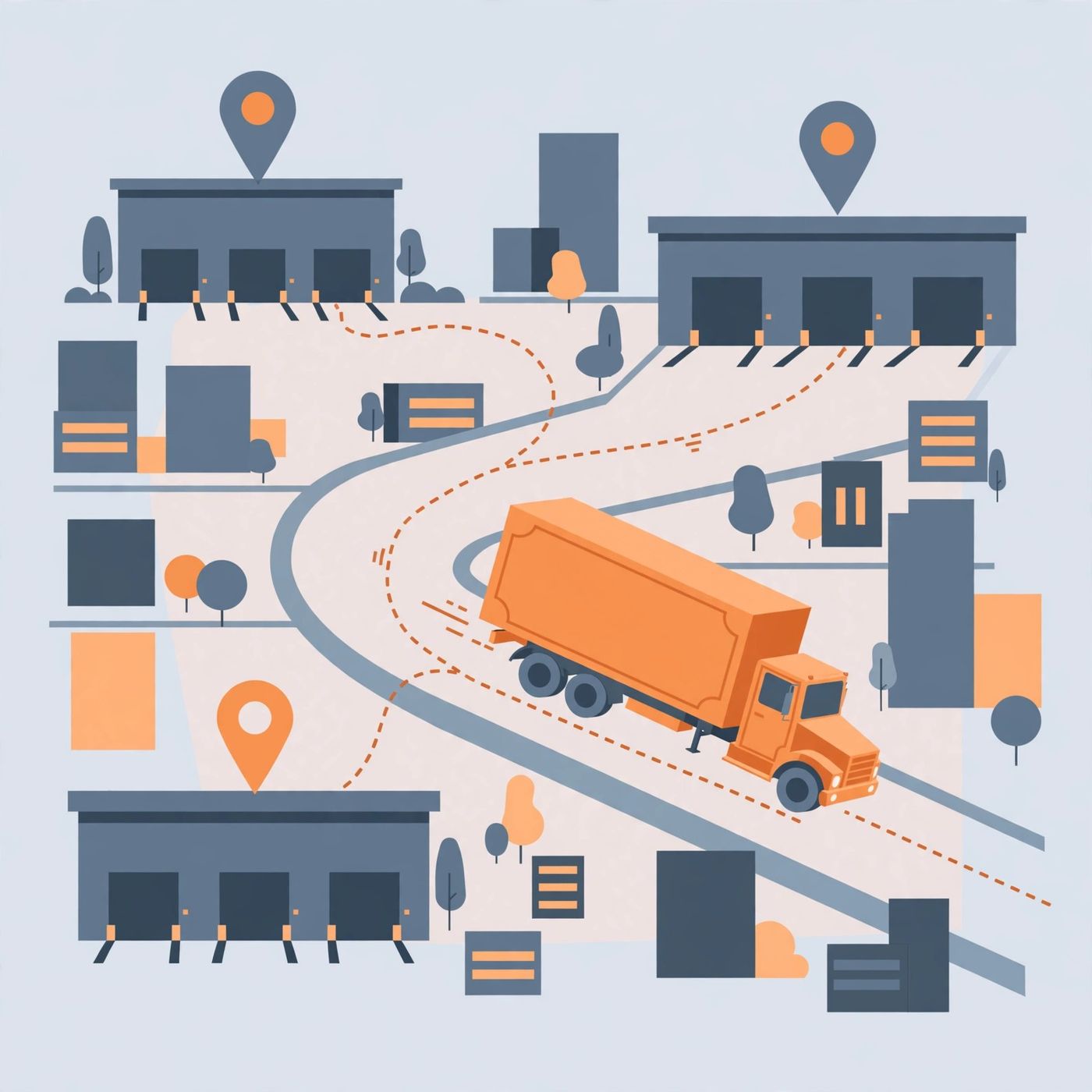 Multi-Stop Loads: Pricing Stop-Offs So Every Extra Stop Pays 23.10.2026 4mEvery pickup or delivery between the first and last is billable work, yet carriers routinely haul multi-stop loads on a linehaul-only rate. What a stop really costs in dock time, clock hours, and claim risk, how to quote linehaul plus per-stop charges plus detention as one package on the rate confirmation, and how to document every stop so the money survives the invoice.
-
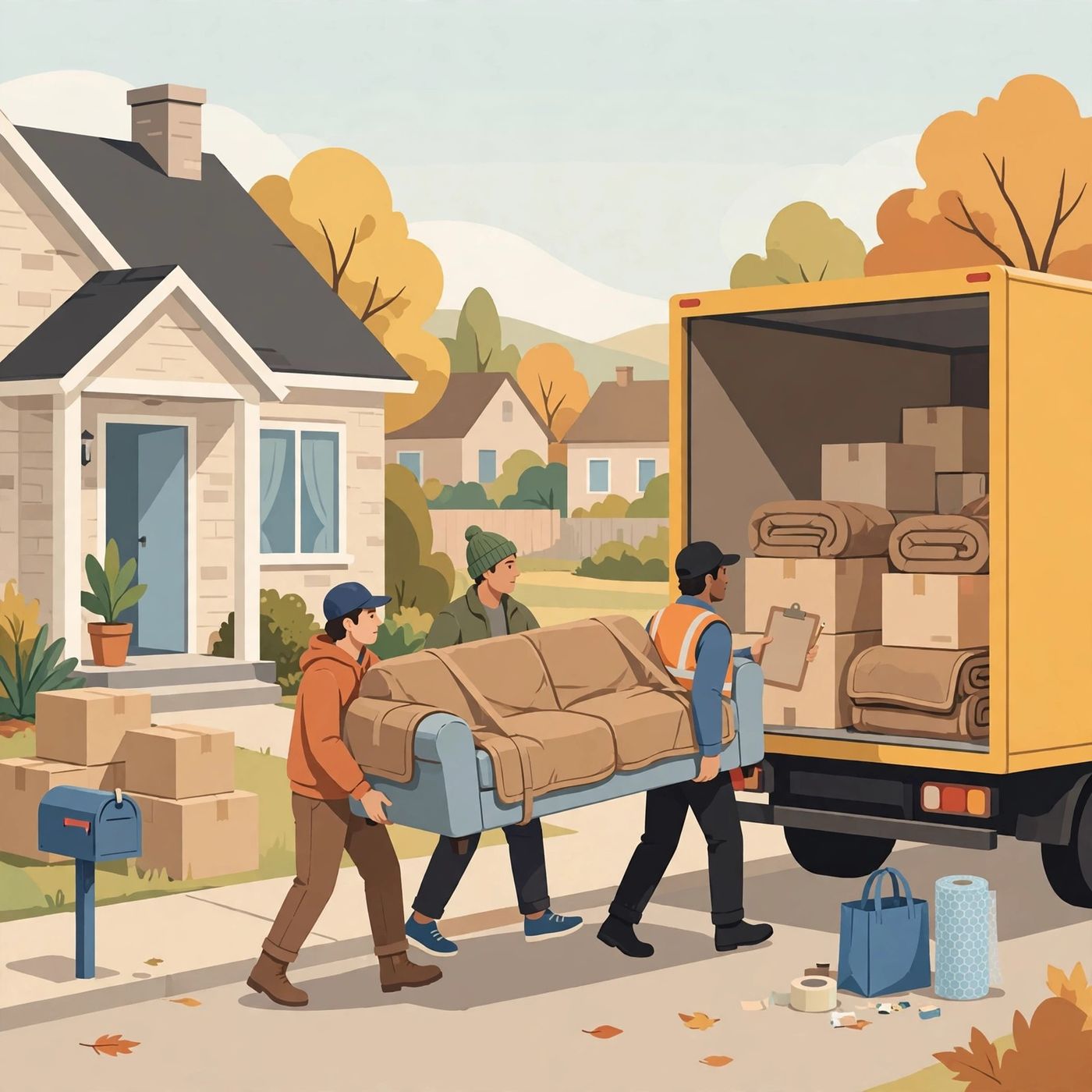 Household Goods Moving: Why Movers Run Under a Different Rulebook 23.10.2026 4mInterstate moving runs on consumer-protection rules general freight never meets: household-goods authority, published tariffs, the federal rights booklet, binding versus non-binding versus not-to-exceed estimates, and the 110 percent rule that caps what you can demand at delivery. What it takes to enter the business legally and why the rulebook itself is a competitive moat.
-
 The MCS-90 Endorsement: The Insurance Filing That Protects the Public, Not You 23.10.2026 4mThe MCS-90 endorsement riding on your liability policy guarantees the insurer will pay the public up to the federal minimum, even for losses the policy itself excludes, and then bill you back under its reimbursement provision. Where it comes from, how it differs from the BMC-91 filing and a certificate of insurance, and why describing your operation honestly to your underwriter is what keeps the trap shut.
-
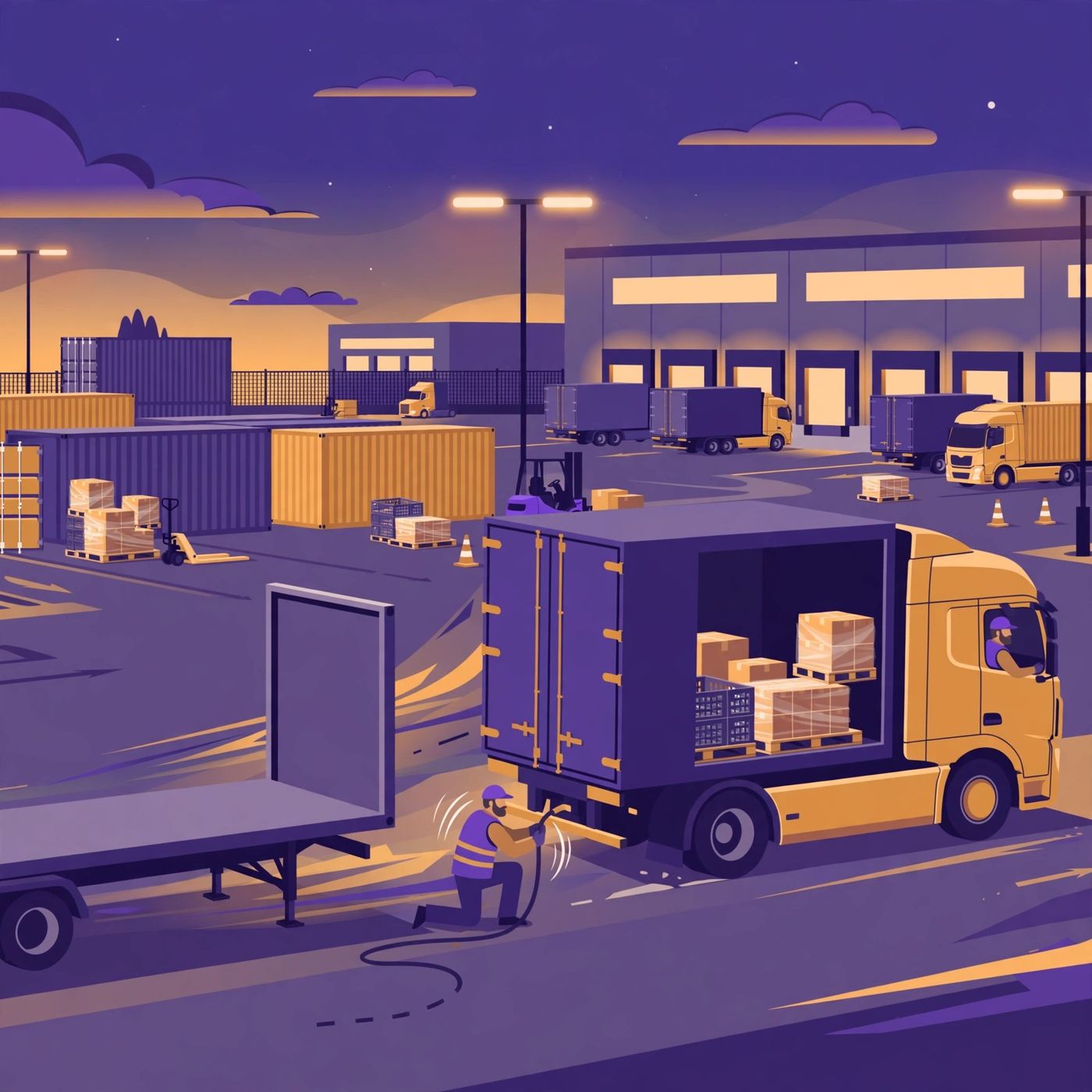 Drop-and-Hook Freight: How Trailer Pools Give You Hours Back 23.10.2026 4mDrop-and-hook turns a five-hour live load into a forty-minute trailer swap, converting scarce hours-of-service time from waiting into earning. How trailer pools work, why trailer interchange insurance and trailer capacity are the price of admission, and the inspection, seal, and communication discipline that keeps shippers trusting you with their pool.
-
 The Maintenance Reserve Fund: Saving Per Mile So Repairs Never Sink You 23.10.2026 4mBreakdowns arrive on the truck's schedule, not your cash flow's, so disciplined operators move eight to fifteen cents per mile into a separate maintenance account from every settlement. How to set your per-mile rate, the three rules that keep the fund intact, and how a real reserve changes repair decisions from panic patches to planned overhauls.
Similar podcasts


Popular in
The podcast also appears in the podcast charts of these countries.
