
The InfoQ Podcast
InfoQ
0
The InfoQ Podcast is a weekly show that interviews top CTOs, engineers, and technology directors from companies like Uber and Netflix. It provides software engineers, architects, and team leads with inspiration and essential information to drive change and innovation in their teams. The podcast has over 1,200,000 downloads in the last 3 years.
Episodes
-
 Getting CRA Compliant Hardens the Code and Gets Your Company Closer to Digital Sovereignty 16.11.2026 27mIn this episode, Christopher “CRob” Robinson, CTO and Chief Security Architect at OpenSSF and Akrites, explores the state of software supply chain security amid multiple security incidents and explains how tools like Scorecard, the Security Baseline framework, and SLSA help harden software. The conversation also delves into the impact of global cybersecurity regulations like the EU Cyber Resilience Act (CRA), digital sovereignty, and the role of AI in software engineering. Chris shares insights on OpenSSF's Cyber Reasoning System, practical guardrails for AI-assisted development, and how open-...
-
 Distributed LLM Inference on Kubernetes with llm-d, Wasm, & TornadoVM 09.11.2026 43mIn this episode, Edoardo Vacchi discusses the evolving landscape of WebAssembly on the backend, running Java workloads on GPUs using TornadoVM, and optimizing distributed AI inference using llm-d and vLLM on Kubernetes. Edoardo explains how llm-d manages cache locality (KV and prefix caches), request routing, and batch inference across Kubernetes clusters to maximize expensive GPU utilization. Read a transcript of this interview: https://bit.ly/4eLRHnE Newsletter: Subscribe to the Software Architects' Newsletter, a monthly roundup of the patterns and technologies senior practitioners are worki...
-
 Educating an Architect: A Conversation with Luca Mezzalira 02.11.2026 1h 7mIn this podcast Michael Stiefel spoke to Luca Mezzalira about software architecture as a socio-technical discipline that balances technological design with an organization's social and managerial context. They explored how architectural choices must be adapted to a company's unique culture and team structure rather than relying blindly on universal best practices, noting that friction within a system serves as critical feedback regarding team and technical alignment. Since placing a dedicated architect on every team is unworkable, the discussion highlighted a shift toward an enablement mindset...
-
 AI, ML, and Data Engineering InfoQ Trends Report 2026 30.10.2026 1h 11mIn this episode of the podcast, members of the InfoQ AI and MIL editorial staff and friends of InfoQ discuss the current trends in the domain of AI, ML and Data Engineering. One of the regular features of InfoQ are the trends reports, which each focus on a different aspect of software development. These reports provide the InfoQ readers and listeners with a high-level overview of the topics to pay attention to this year. InfoQ AI, ML and Data Engineering editorial team met with an external guest to discuss the 2026 trends in AI and ML areas, and what to watch out for the next 12 months. In add...
-
 The Future of Web Apps: Will AI Agents Generate UIs on the Fly? 19.10.2026 47mRachel Lee Nabors, former React core team member, dives into the architecture and philosophy behind local-first applications, exploring how small language models (SLMs) running directly on-device can deliver privacy-focused, low-latency, and cost-effective alternatives to cloud-hosted LLM wrappers. Rachel shares key insights on evaluating models with golden datasets and leveraging client-side AI for moderation and social content aggregation. The discussion also looks ahead to the future of web and application architectures in an AI-driven ecosystem. From the potential rise of OS-level personal...
-
 What Does It Really Mean To Program With AI: A Conversation with Joy Ebertz 12.10.2026 44mIn this podcast, Michael Stiefel spoke to Joy Ebertz about how the use of artificial intelligence is changing the way architects and developers do their jobs. Focusing on the long term success of the business is one of the most neglected tasks of an architect. This task becomes particularly important as the nature of artificial intelligence changes the landscape of software development. Architects must be especially aware of requirements and their inherent ambiguity. More than ever, they must be expert at explaining technology to the business people, and the business to the technology people....
-
 Future Cybersecurity: Hardware Memory Safety, Automated Governance and Post-Quantum Cryptography 05.10.2026 34mIn this episode, Chris Swan, engineer at Atsign and security track host at QCon London, reflects on the ideas shared during QCon London 2026 and teases topics of the future edition. The discussion explores how security engineering is shifting from relying on human vigilance toward automated, system-level defences across the entire application stack. As well as the importance of governance and supply chain security in a world that sees rapid shifts toward machine-to-machine interaction. Read a transcript of this interview: https://bit.ly/3Vg15sV Newsletter: Subscribe to the Software Architects'...
-
 The AI Revolution Fails Without Psychological Safety For Developers: A Conversation with Erin Doyle 28.09.2026 54mIn this podcast, Michael Stiefel spoke to Erin Doyle about how artificial intelligence tools are transforming the software development process, and how they are affecting software engineers. Architecture skills are now critical because engineers need to understand how to build systems and handle the constraints and associated ambiguity in the requirements. At the same time, given the rapid change both in the nature of the AI tools, and the amount of code they can produce which can overwhelm developers, psychological safety becomes essential for successful AI adoption. Teams need a secure, non-...
-
 The Future of AI: From Enterprise Adoption to Open Source Sovereignty 25.09.2026 52mIn this episode, a panel of AI experts, Meryem Arik (DoubleWord), Clara Higuera Cabañes (BBVA), and Jeff Smith (C Proof), demystify the current state of AI in the enterprise. The discussion navigates the "industrial revolution" moment in AI adoption, exploring why companies are rushing toward these technologies to maintain competitive advantages while grappling with reliability, ethical considerations, and the evolving role of software engineering. The conversation highlights the growing tension between proprietary models like Claude and the rise of high-quality open-source alternatives. The g...
-
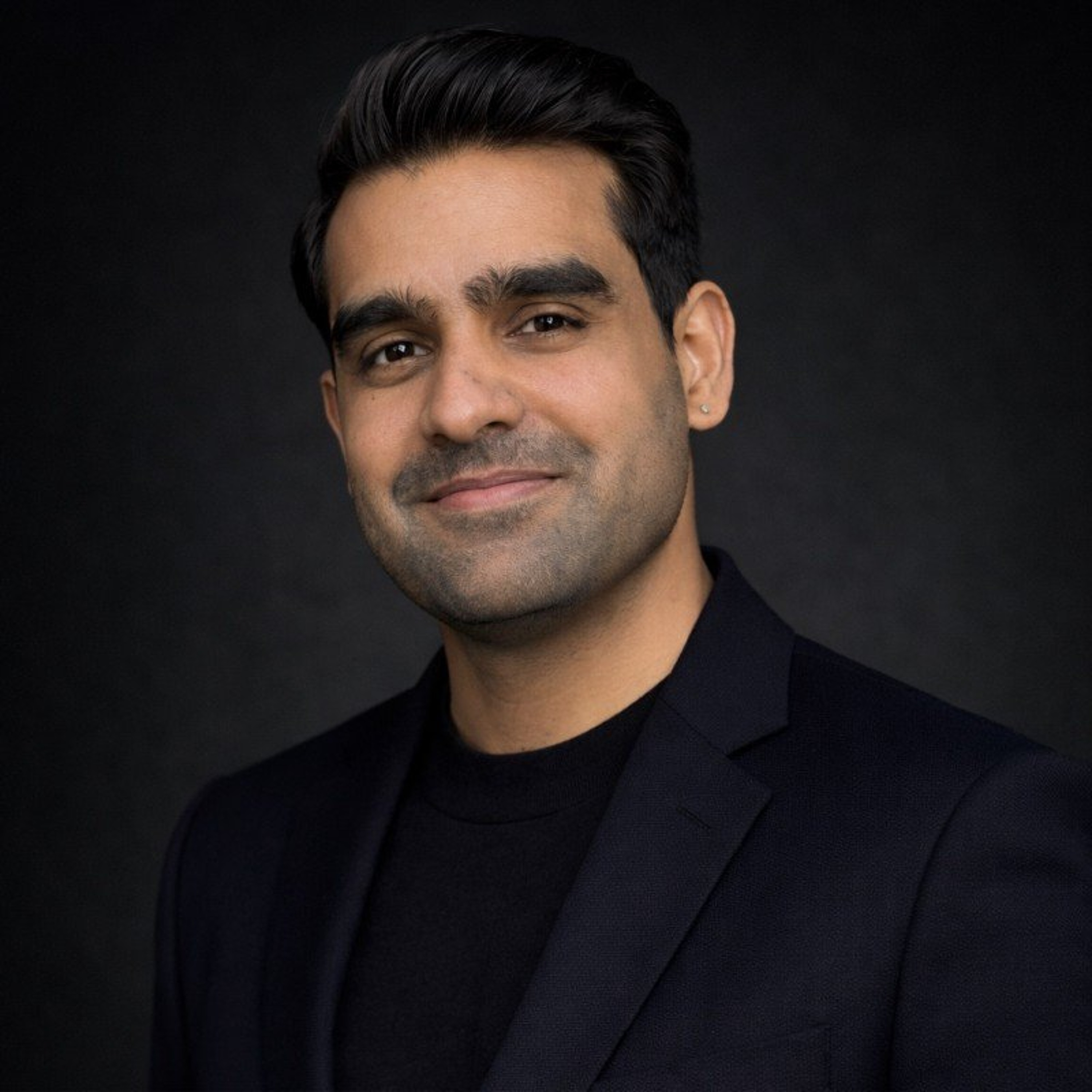 Securing AI Agents: Identity, Authorisation, and the DPACT Framework 21.09.2026 41mIn this episode, Sahil Agarwal talks about the critical challenges of identity, authorisation, and security in the age of AI agents. Sahil introduces the DPACT framework (Delegation, Policy, Auditability, Context, and Time) as a blueprint for building responsible, guardrailed agentic systems, moving away from simple token-based access toward bounded, delegated authority. Read a transcript of this interview: https://bit.ly/3VuM8TJ Newsletter: Subscribe to the Software Architects' Newsletter, a monthly roundup of the patterns and technologies senior practitioners are working through, with the ne...
-
 How Will We Train Developers If AI Does the Routine Work: A Conversation with Scott Hanselman 14.09.2026 36mIn this podcast Michael Stiefel spoke to Scott Hanselman about developing new software engineers when artificial intelligence agents are doing most of the work on which junior developers were trained. Hanselman suggests the software industry should adopt a preceptorship model similar to the nursing profession. Under this model, the industry needs preceptors whose sole job is to train new engineers, and these preceptors would be evaluated on how well they train people rather than how much code they ship. The use of AI agents requires experienced engineers because while they are capable of gener...
-
 Scott Jenson on Evolving Desktop OS, Local-First, & Agentic UX 31.08.2026 40mIn this episode, Scott Jenson, a veteran UX designer known for his work on the Macintosh, Google Maps, and Chrome examines the long-term stagnation of desktop operating systems and the limitations of current mobile and cloud-centric models. The conversation shifts toward specialised "Local-First" software, exploring how we can move beyond the "status quo" of interface design to create more intuitive, powerful, and privacy-conscious computing environments in the advent of the “LLM everywhere” era. Read a transcript of this interview: https://bit.ly/4gwuQwC Newsletter: Subscribe to the Software...
-
 The Human Edge: Why Brownfield Codebases Need Mob Programming, Not Just AI Vibes 24.08.2026 39mAsgaut Mjølne Söderbom and Ola Hast discuss the evolution of their software engineering practices past continuous deployment and pair engineering. The conversation continues where it left off in the previous episode and focuses on the experiments in adopting Claude Code and the reasons why they consider it good for everything else, but not coding. Read a transcript of this interview: https://bit.ly/3SFb1Lu Newsletter: Subscribe to the Software Architects' Newsletter, a monthly roundup of the patterns and technologies senior practitioners are working through, with the news and lessons from peop...
-
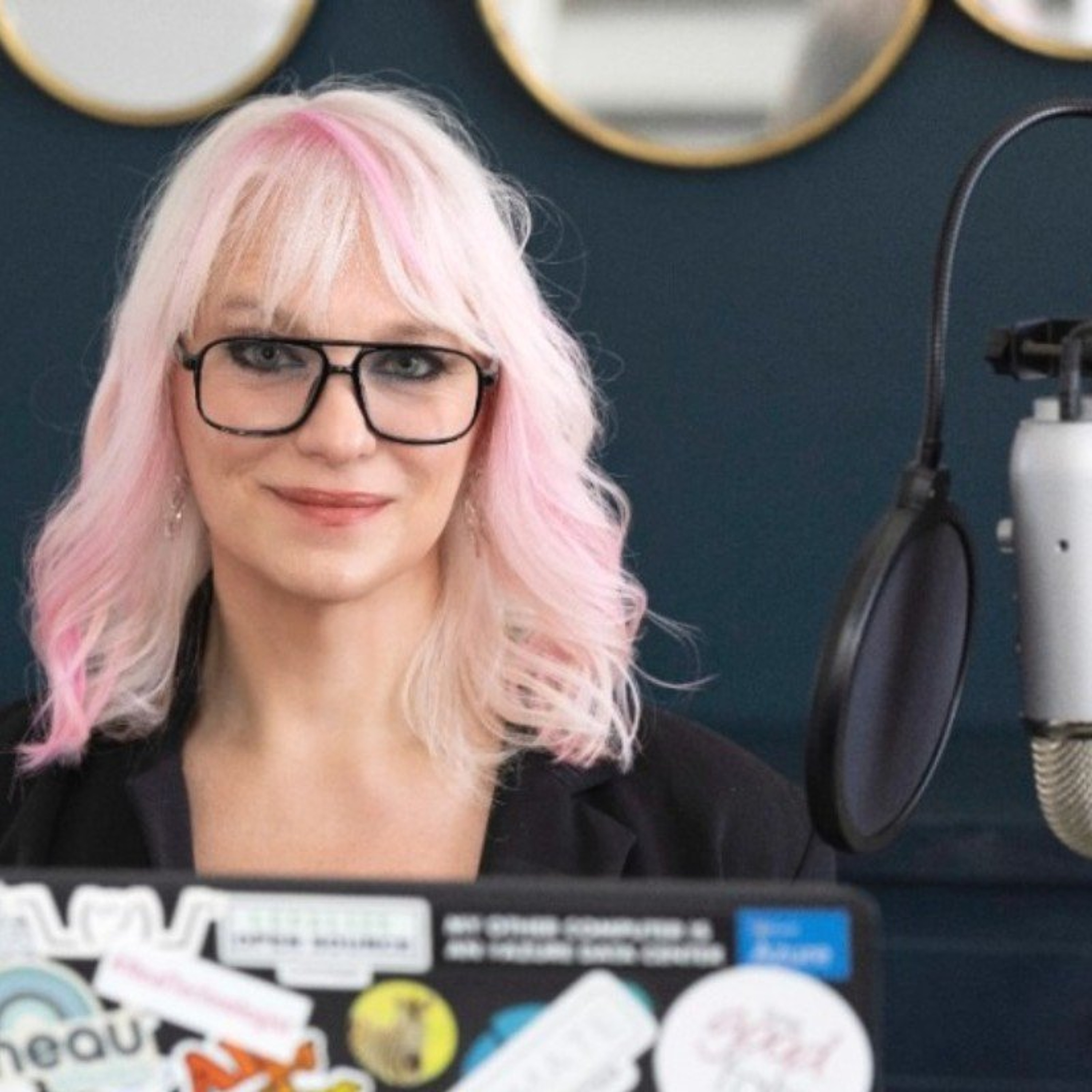 Will Agentic AI Bring Fantasia’s Sorcerer's Apprentice to Life?: A Conversation with Tracy Bannon 17.08.2026 49mIn this podcast, Michael Stiefel spoke to Tracy Bannon about the role of artificial intelligence in software and the attendant risks in the areas of security, software development, and society at large. While it might be reasonable to assume a certain amount of trust within a software ecosystem, the risks escalate when the boundary between two software ecosystems is crossed. Bannon emphasized that the discovery and exploitation of software vulnerabilities by AI is not a new issue, but it is just part of the evolution of cybersecurity threats. The discussion then continued to highlight that the...
-
 Cloud and DevOps InfoQ Trends Report 2026: AI, Resilience, Platforms, FinOps, and Sovereignty 12.08.2026 50mIn this episode of the podcast, members of the InfoQ editorial staff and friends of InfoQ will discuss current trends in the cloud and DevOps domains as part of our annual trends report. These reports provide InfoQ readers with a high-level overview of key topics to watch and also help the editorial team focus on innovative technologies. In addition to the report and the trends graph available on InfoQ.com, this podcast offers a chance to hear our raw conversation and the stories shared by our expert practitioners. Read a transcript of this interview: https://bit.ly/4ggpO8h Newsletter: Subscri...
-
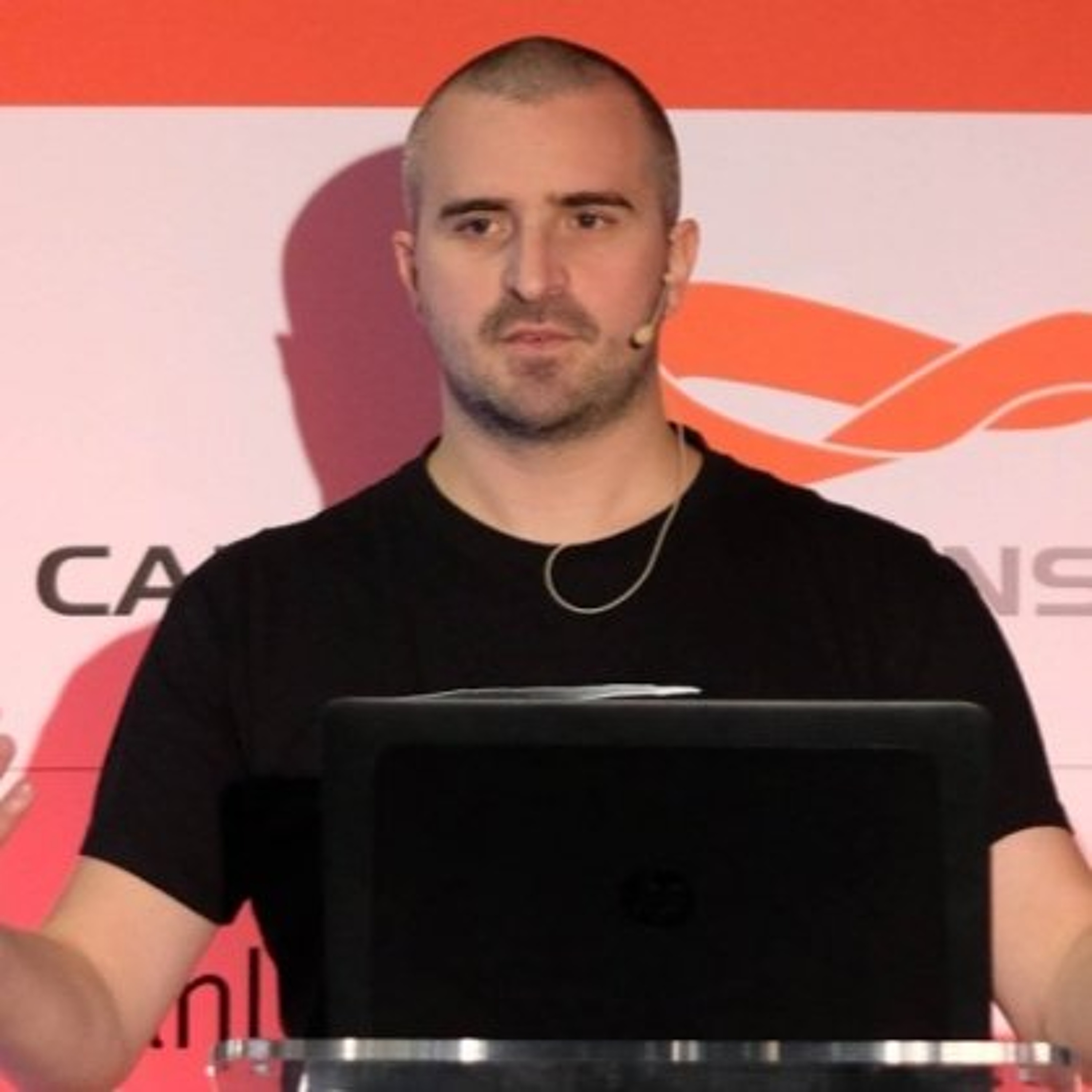 WebAssembly on the JVM: Feature Evolution, Performance, and the Transition to Endive 03.08.2026 34mAndrea Peruffo discusses the evolution of WebAssembly beyond the browser and its growing role on the server-side JVM. He covers performance advancements in Wasm runtimes, moving from interpreters to efficient JIT compilation, and explores real-world production use cases ranging from edge computing platforms to modular plugin architectures. Peruffo also announces the transition of the Chicory runtime to "Endive" under the Bytecode Alliance, detailing the shift toward foundation-governed development to ensure long-term stability and neutrality in the JVM ecosystem. Read a transcript of this inte...
-
 Rethinking Data: Moving From the Traditional Three-Tier Web Stack to Client-Side Event Sourcing 27.07.2026 43mJohannes Schickling explores how he moved beyond the traditional three-tier web stack to a local-first approach. He shares his experience transitioning from Prisma to developing Overtone—a music curation app leveraging client-side event sourcing and SQLite. The discussion highlights the trade-offs between event sourcing and CRDTs, providing actionable insights for architects weighing the complexities of local-first development. Read a transcript of this interview: https://bit.ly/4pDjvPr Newsletter: Subscribe to the Software Architects' Newsletter, a monthly roundup of the patterns and technolo...
-
 Strands Agents with Clare Liguori 20.07.2026 38mIn this episode, Thomas Betts talks with Clare Liguori, the technical lead on the open source Strands Agents SDK. The conversation covers how Strands Agents has grown from a Python SDK to a full agent harness running in production. Clare shares some lessons learned from building agents at scale, shifting to a model-driven architecture, and what comes next as the LLMs that underpin agents continue to improve. Read a transcript of this interview: https://bit.ly/4pluNYt Newsletter: Subscribe to the Software Architects' Newsletter, a monthly roundup of the patterns and technologies senior practiti...
-
 Governance in the Age of AI: A Conversation with Sarah Wells 13.07.2026 48mIn this podcast Michael Stiefel spoke to Sarah Wells about the relationship of governance to software architecture. Governance enables teams to work effectively by establishing procedures that minimize system complexity, improve security, and reduce repetitive tasks. Targeted checklists help engineers by reducing the stress over these procedures. This is especially critical in high pressure situations like critical incident response. Architecture should focus on the technical decisions that are difficult to reverse. The conversation then shifted to exploring the relationship of governance to a...
-
 Spite-Driven Engineering: A New Blueprint for Cloud Security in the AI Native Era 06.07.2026 40mIn this episode, Alex Zenla (CTO/Co-founder, Edera) challenges the "laissez-faire" attitude toward modern infrastructure. She promotes "spite-driven development", building software to solve genuine technical pain points rather than passively accepting flawed abstractions, as a philosophy of improving the world of software. The discussion touches on the fragility of the current cloud-native stack, the security risks of multi-tenant Linux kernels, and the inefficiency of repurposing consumer-grade GPUs for AI workloads. Zenla also offers a pragmatic framework for the "AI-native" engineer: treat...
Similar podcasts


Popular in
The podcast also appears in the podcast charts of these countries.


