
The Eurasian Knot
The Eurasian Knot
0
The Eurasian Knot is a podcast that explores the complexities of Russia and the wider Eurasia region, aiming to dispel stereotypes and myths through lively interviews. It covers a diverse range of topics from punk rock to Putin, offering insights into the region's past, present, and future. New episodes are released weekly.
Episodes
-
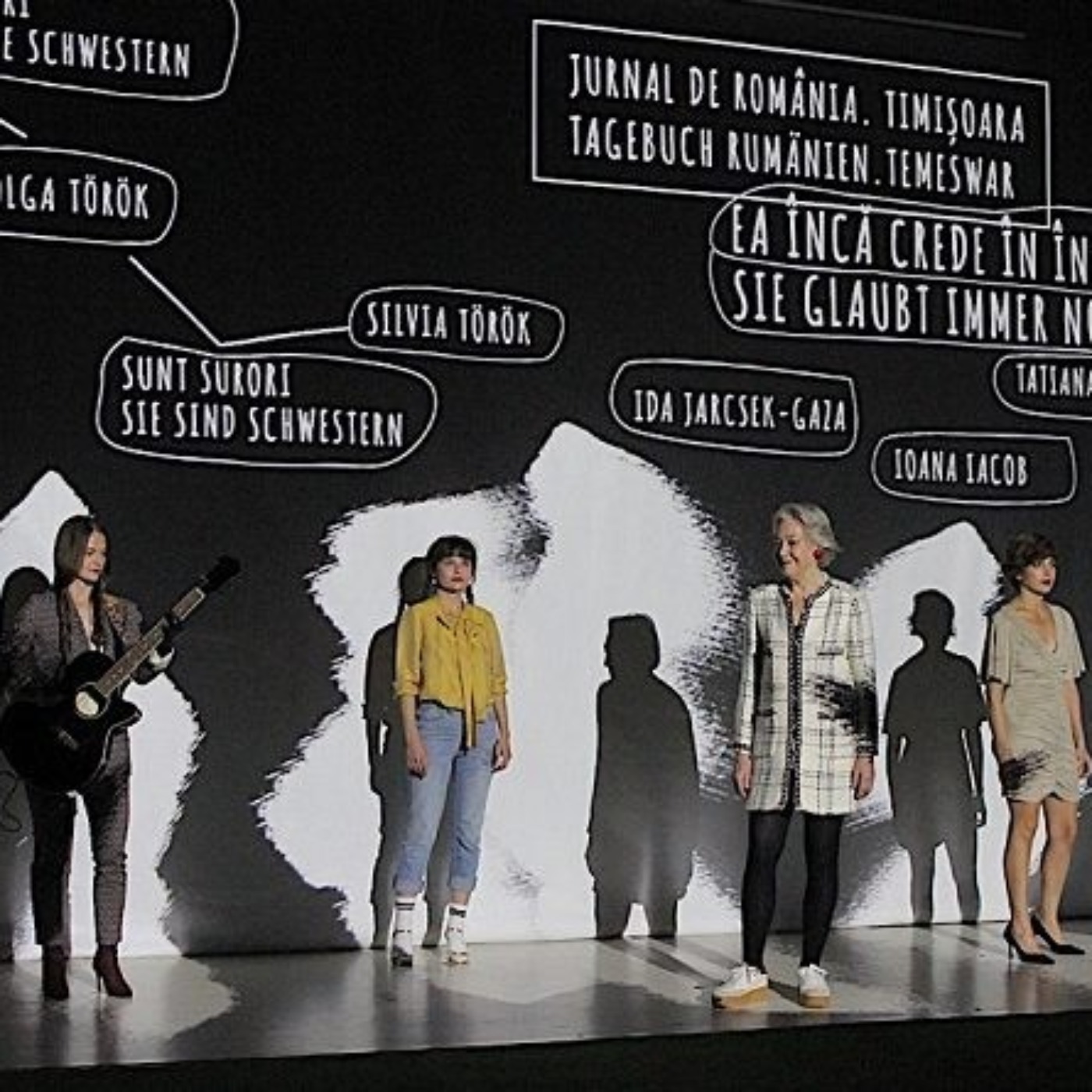 Performing Womanhood in Romania 25.11.2026 52mTheater in communist Romania was under strict control. Actors and directors had to serve as informants to the Securitate, the secret police, if they wanted successful careers. Performances had to adhere to ideological orthodoxy. This meant that representations of women followed rigid guidelines. Yet, as Cristina Modreanu argues, theater reflected society and shaped public imagination through a coded “double language” that opened some space for critical representation of womanhood. Then in 1989, communism fell, and suddenly Romanian playwrights could stage feminist criticism of womanhood. But w...
-
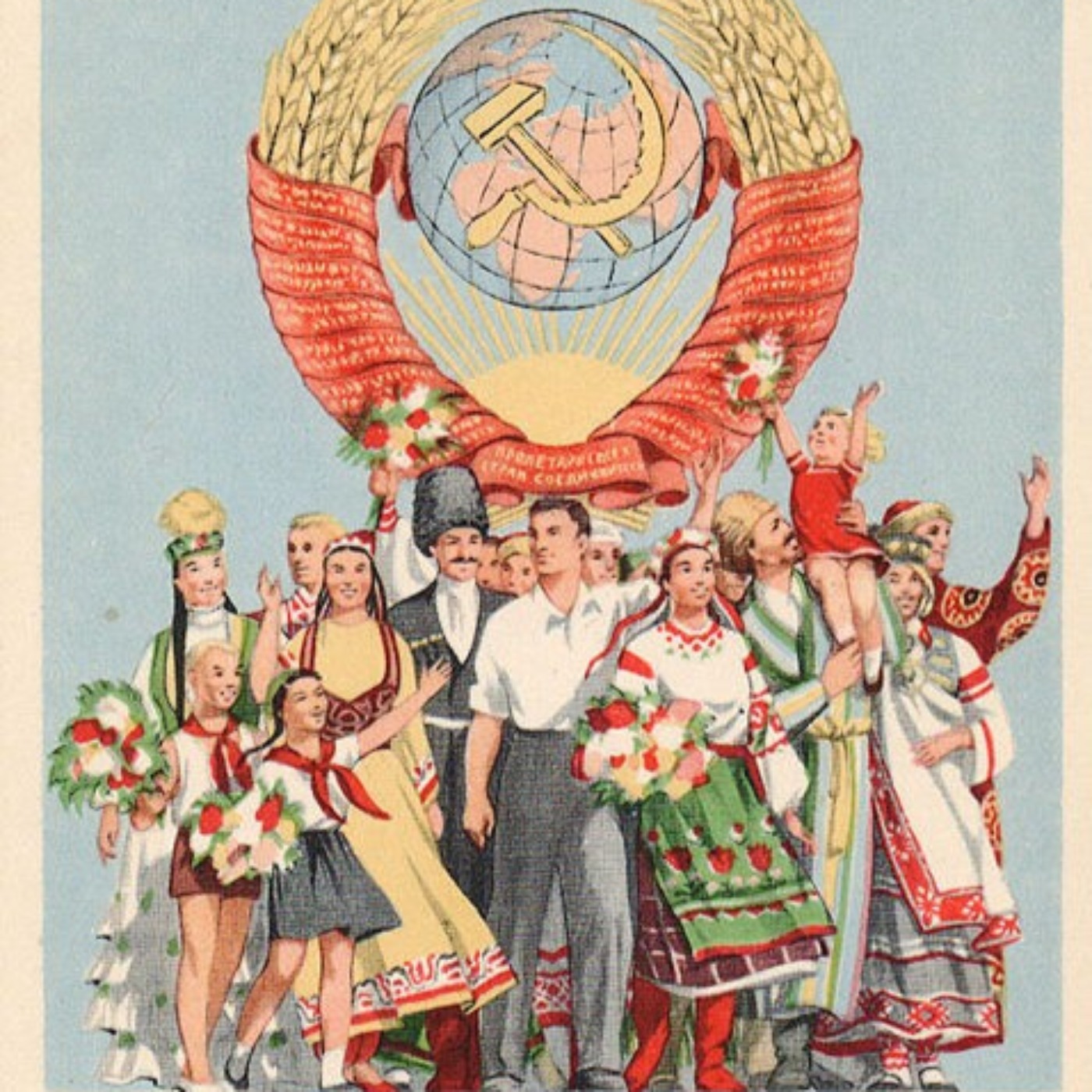 Soviet Nationality Politics 18.11.2026 53mThe Soviet system was littered with contradictions. But one of the most perplexing was how it dealt with its multiethnic population. In fact, given the Bolsheviks were all about class, that they devoted so much to ethnicity is a paradox in and of itself. The Bolshevik created nations and urged ethnic minorities to develop and celebrate their cultures. This was done under the slogan “national in form, socialist in content.” Yet, Soviet authorities rejected and repressed ethnic nationalism. This produced a slippery slope. Creating nations could suddenly turn to destroying them depending on the n...
-
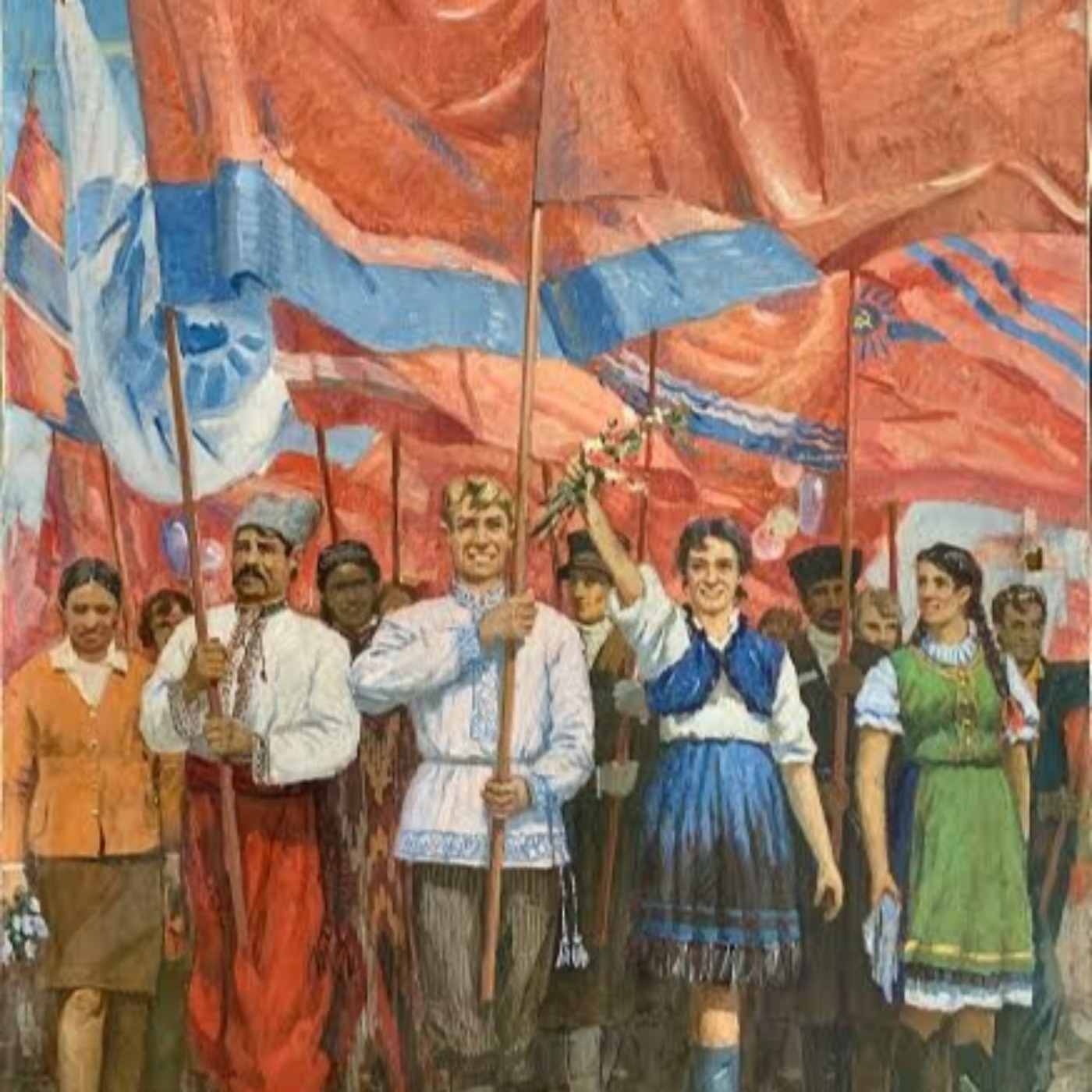 Russia's Familial Colonialism 11.11.2026 46mColonialism comes with many ideological justifications. Like, the desire to “civilize” the “backward” native. To more efficiently extract and utilize natural resources. Because of racial superiority or religious mission. Or simply to settle “empty” and “unused” land. Russia, according to Galina Bogatova, casts its colonialism in familial terms. So, the various peoples within the former Russian empire are one big family where ethnic Russians serve as patriarchs. Like any good father, Russia is supportive, nurturing, and protective. But sometimes a father must discipline his family for stepping...
-
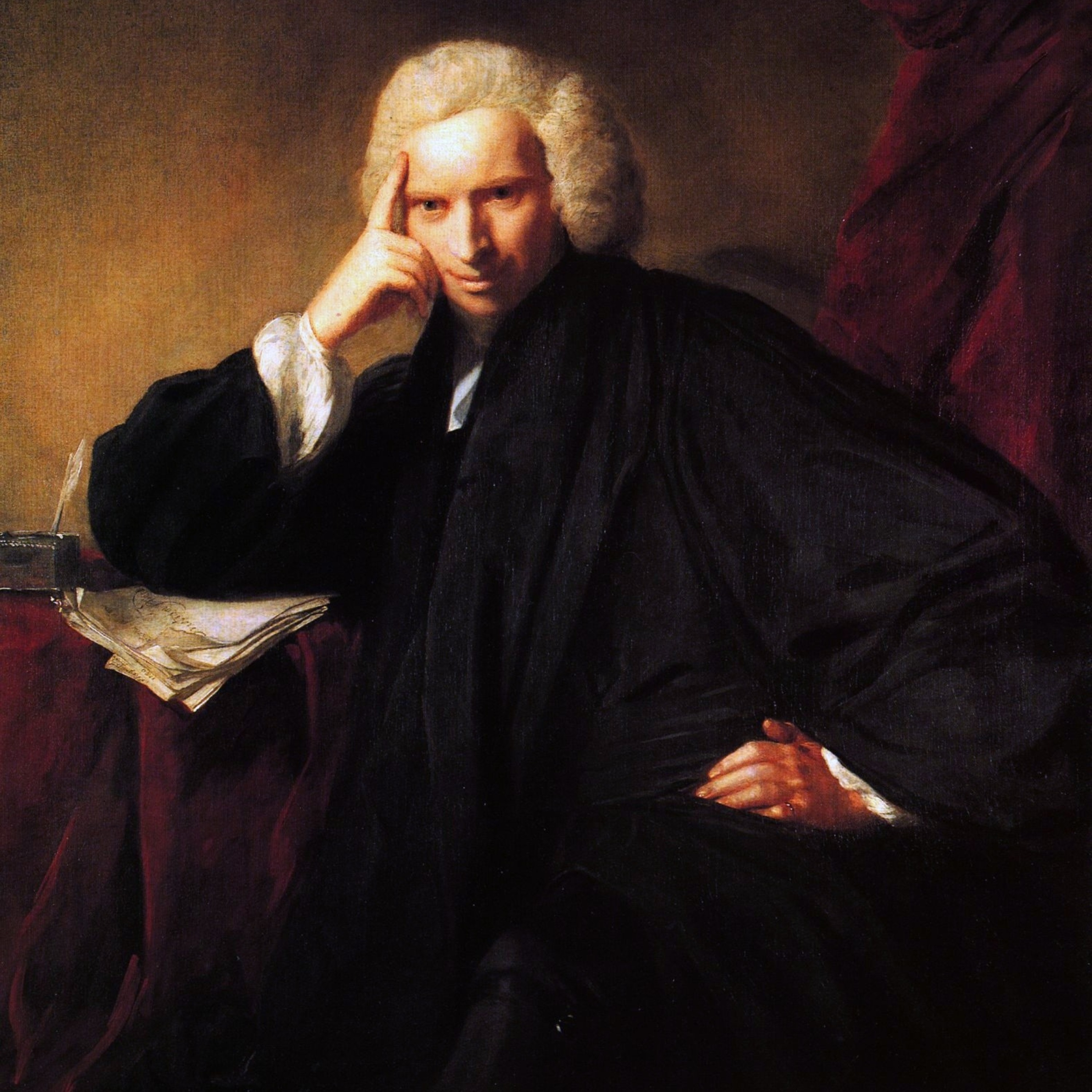 The Shandeans of the Soviet Union 04.11.2026 52m"I wrote not to be fed but to be famous." This is one of the many, many humorous and whimsical sayings attributed to the writer Laurence Sterne. This Anglican cleric became a sensation in mid-18th century Britain after publishing his irreverent, stream-of-consciousness novel, The Life and Opinions of Tristram Shandy, Gentleman. Shandy was translated throughout Europe, eventually landing in the Russian empire. Sterne’s fandom continues there to this day. I knew nothing about Laurence Stearne. Then, I learned of Peter Burin’s book on the author’s reception in the Soviet Union. What did Soviet re...
-
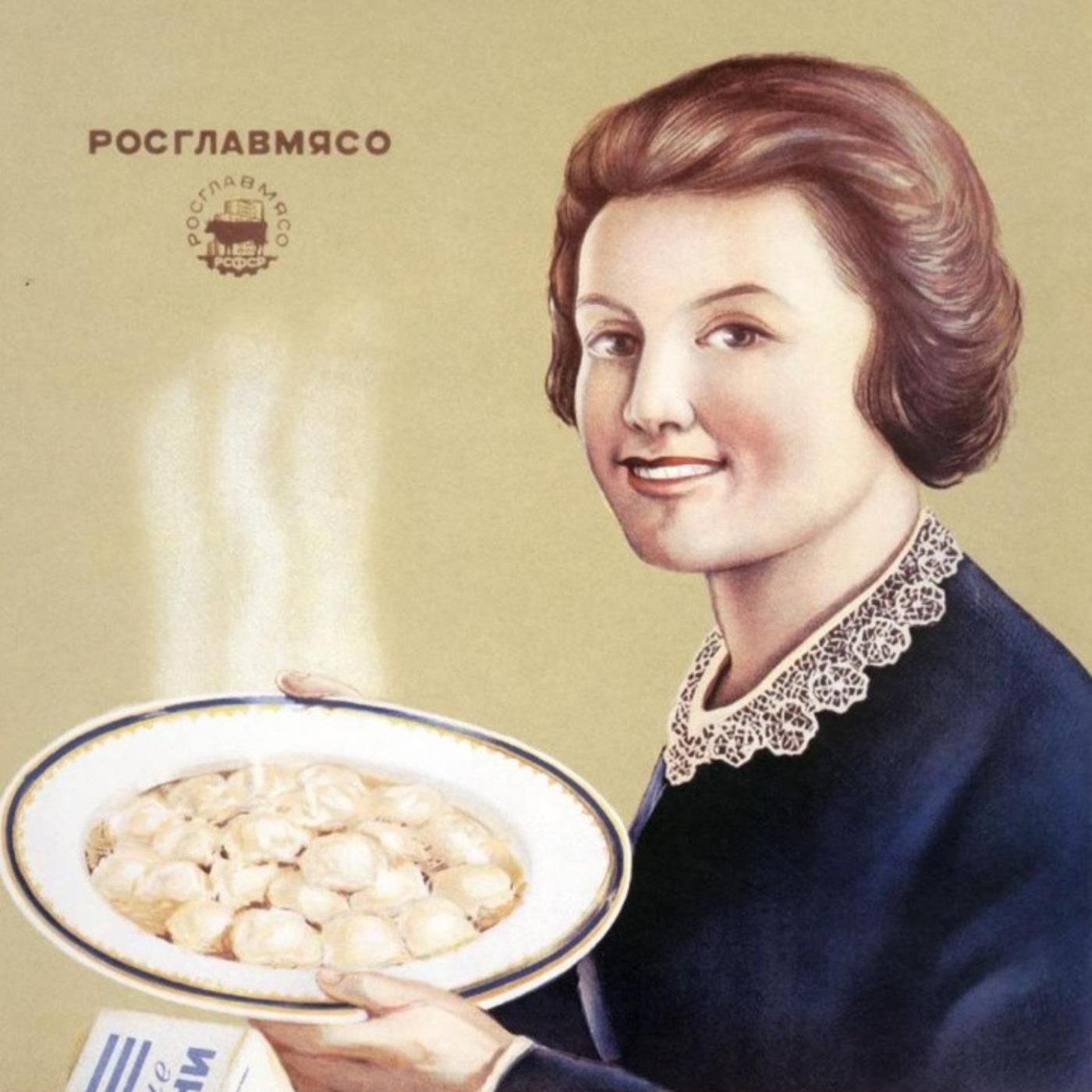 Dumplings! 28.10.2026 50mThey go by many names. Xiao mai. Samosa. Momo. Mani. Pelmeni. Vareniki. Khinkali. That’s right, dumplings! That delicious meat-wrapped-in-dough dish! The dumpling is one of the most transhistorical foods on the planet. Almost every culture has its own taste, shape and tradition. It’s a source of pride and pudge. The dumpling is a favorite of the anthropologist, Helen Faller. She’s embarked on a personal and cultural journey with the dumpling in Central Asia. How are they made? And why are they so damn difficult? Who does the labor? What kinds of community do dumplings create? The Eurasian Knot...
-
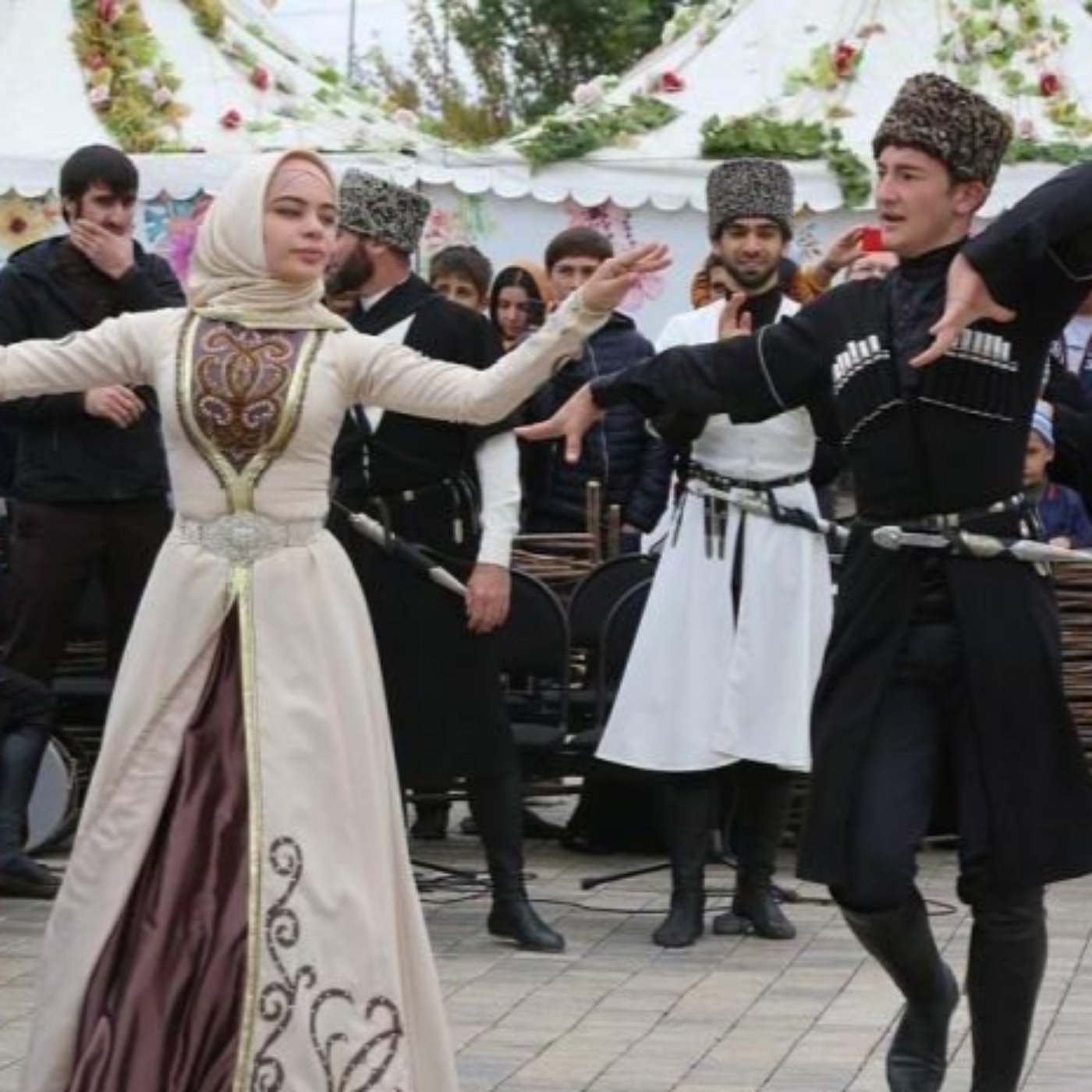 Marriage and Family in Chechnya 14.10.2026 47mThe history of Chechens, or Nokhchi, is defined by war, occupation, and ethnic cleansing. Yet despite these repeated traumas, the Nokhchi have persisted, resisted and survived. But how? Chechens comprise such a relatively small population, almost 2 million today. This is the question Marat Iliyasov asked himself as he entered adulthood. Given this history of violence, and uncertain future, what has inspired Chechens to continue getting married and raising families? Marat set out to find answers, which eventually became a book, Reproducing Resistance: Chechen Demography in Times of War. Chechen...
-
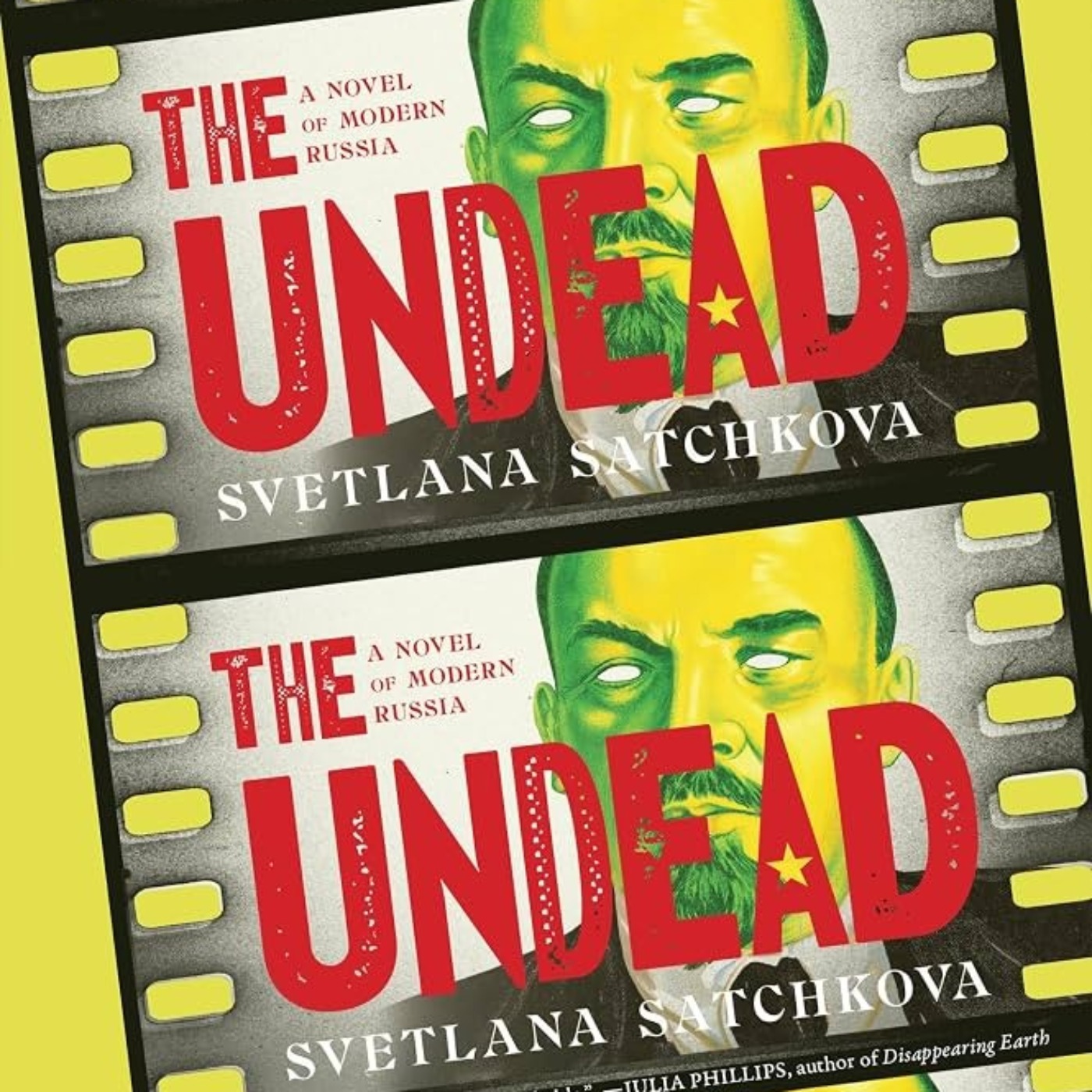 A Novel of Modern Russia 07.10.2026 38mMaya, the heroine of Svetlana Satchkova’s The Undead: A Novel of Modern Russia, is an aspiring Russian filmmaker. And after fits and starts she finally gets a break when the producer Belov greenlights her project. Maya’s film is an art-house horror flick about a resurrected Lenin who seeks to take control of Moscow with an army of zombies at his back. Maya has no political intent with the movie. To her, it’s just a horror film. She’s also naive to what Russia has become. All art is politically infused. The artist’s intent is meaningless. Maya is eventually denounced to the authorities, who, in...
-
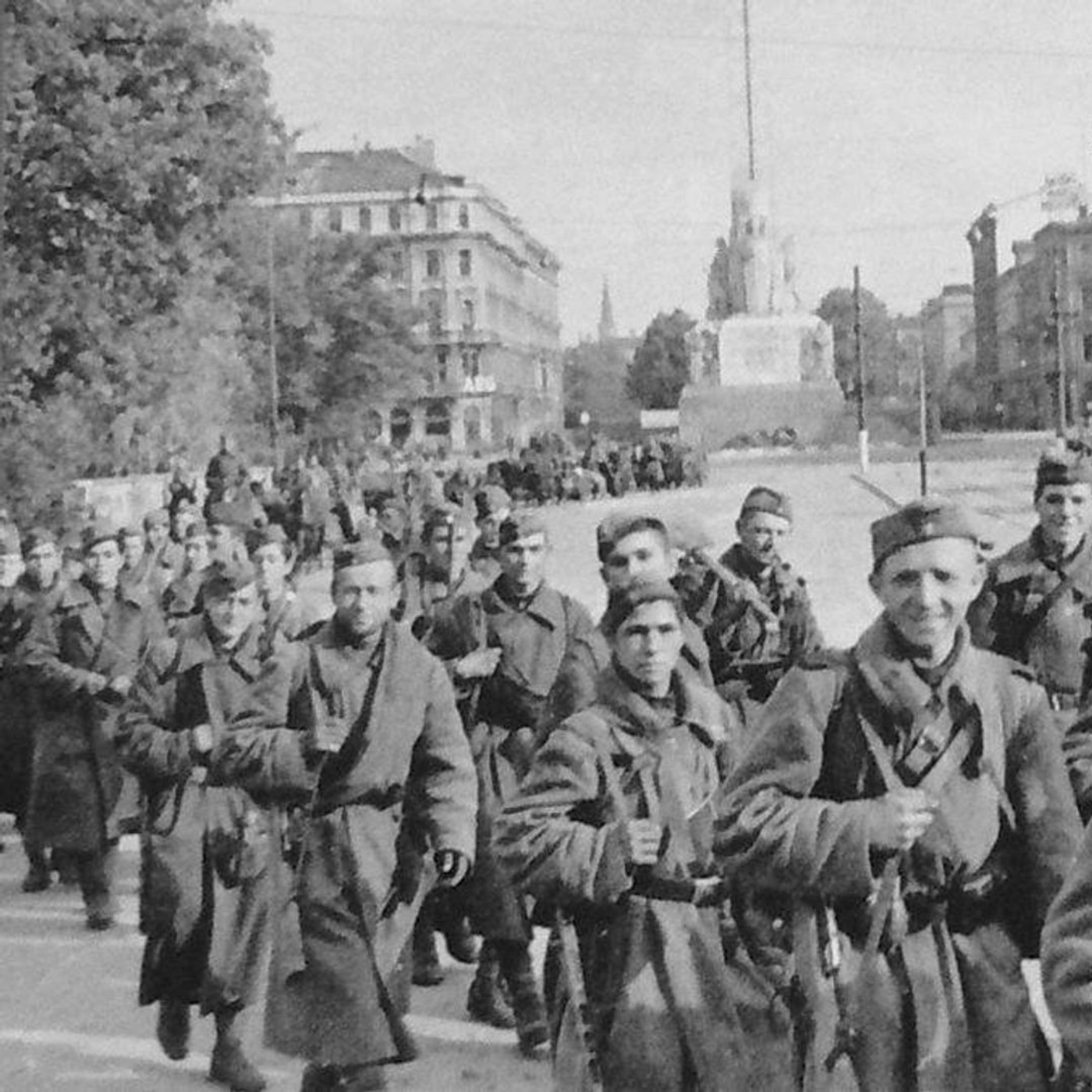 Latvian Soldiers in WWII 30.09.2026 53mWorld War II casts a long, dark shadow over eastern Europe. Especially in those nations caught between the Wehrmacht and Red Army. Some locals joined the Nazis, others served in the Red Army, and some others fought against both. Many more simply fled or hunkered down hoping just to survive. Regardless, the memory of the war doesn’t tolerate nuance. If you fought, you were either on the Nazi or Soviet side, even if the goal was to liberate yourself. Reality was much more complicated, says Harry Merritt in Latvian Soldiers of World War II: Fighting for the Homeland in Nazi and Soviet Service. Bo...
-
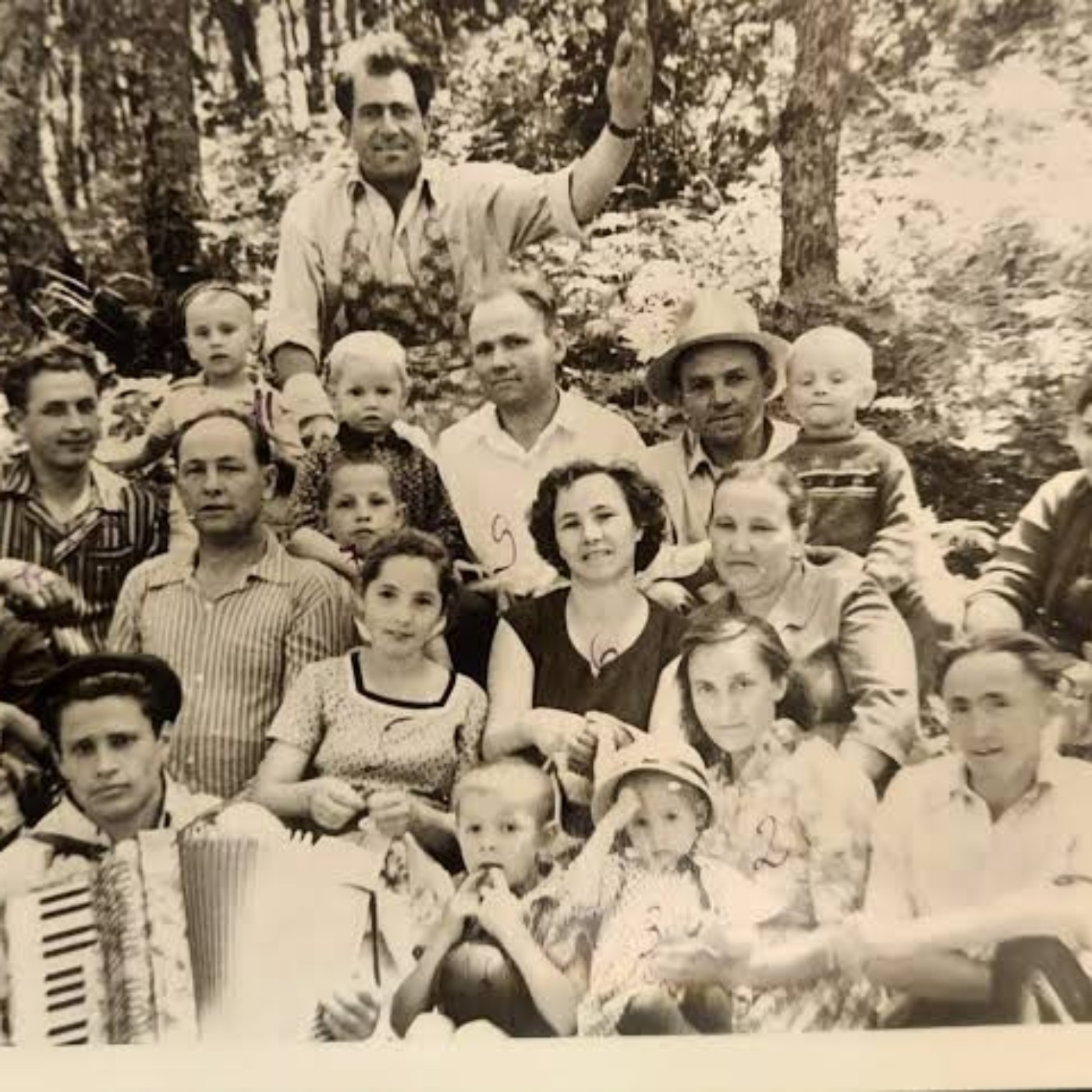 Los Rusos 23.09.2026 49mAn overlooked destination for thousands immigrating out of the Russian Empire and Soviet Union was Mexico. The reasons were many. Jews fled anti-semitic violence. Religious groups like the Molokans left because of persecution. Many more left in the wake of war, revolution, famine, and political repression. Regardless, Mexico was a viable alternative with the US borders closed to immigration in the interwar period. Collectively known as Los Rusos, these “Russians” built new lives, integrated into Mexican society, or eventually ended up in Los Angeles with the help of some dubious “ethnopolitica...
-
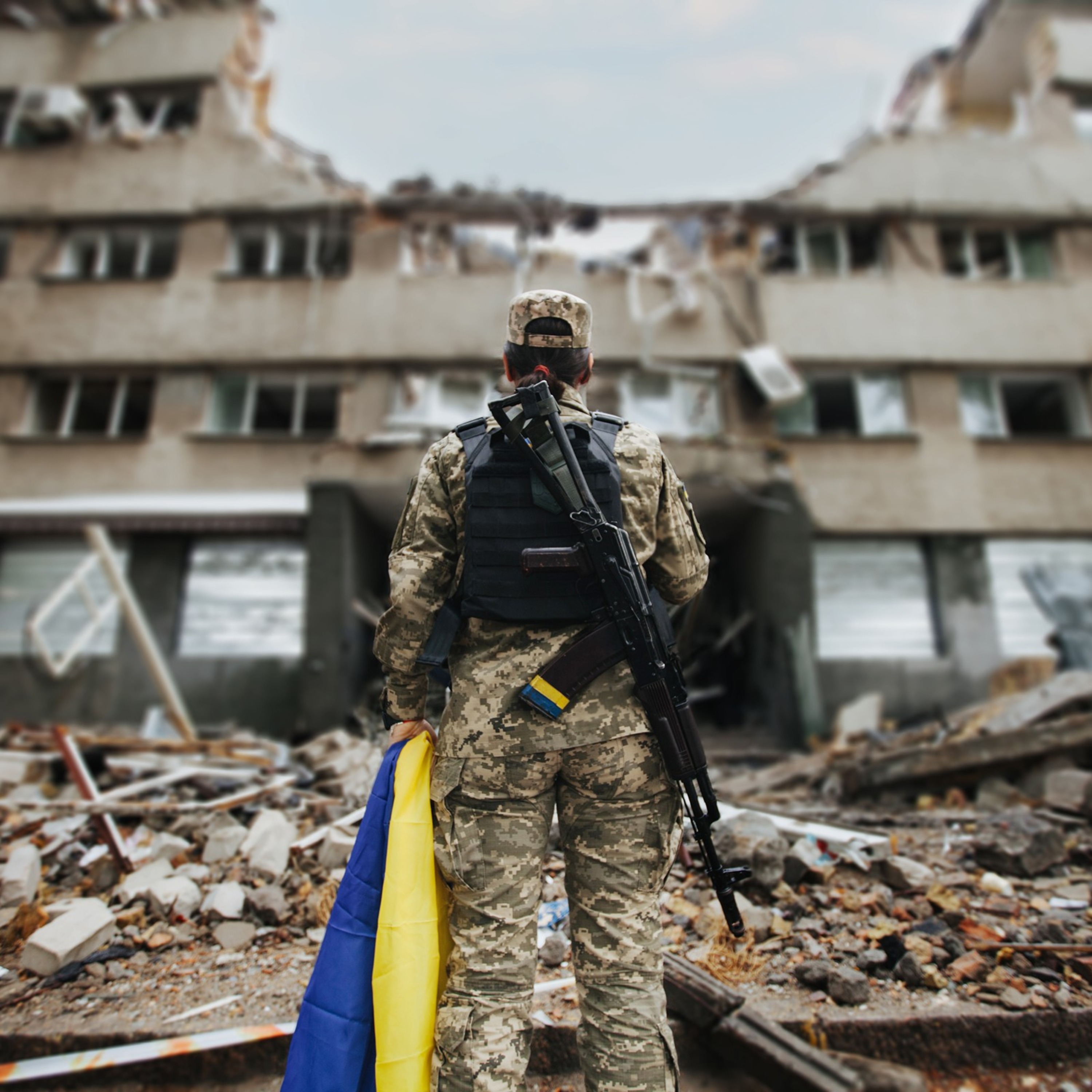 The Origins of the Ukraine War 16.09.2026 54mWhen did Putin decide to invade Ukraine? Was it shortly after 2012 when he returned as President? In 2014, after the seizure of Crimea and clashes in the Donbas? Or was it when Russian forces began massing at the Ukraine-Russia-Belarus borders for a full-scale assault? The answer to when, Michael Kimmage says, is important because that would tell us what drove Putin and what might be necessary to bring a diplomatic solution. The Ukraine War has been raging longer than WWI and WWII with no end in sight. And Kimmage argues that the global context and ramifications need analysis. The Ukraine War...
-
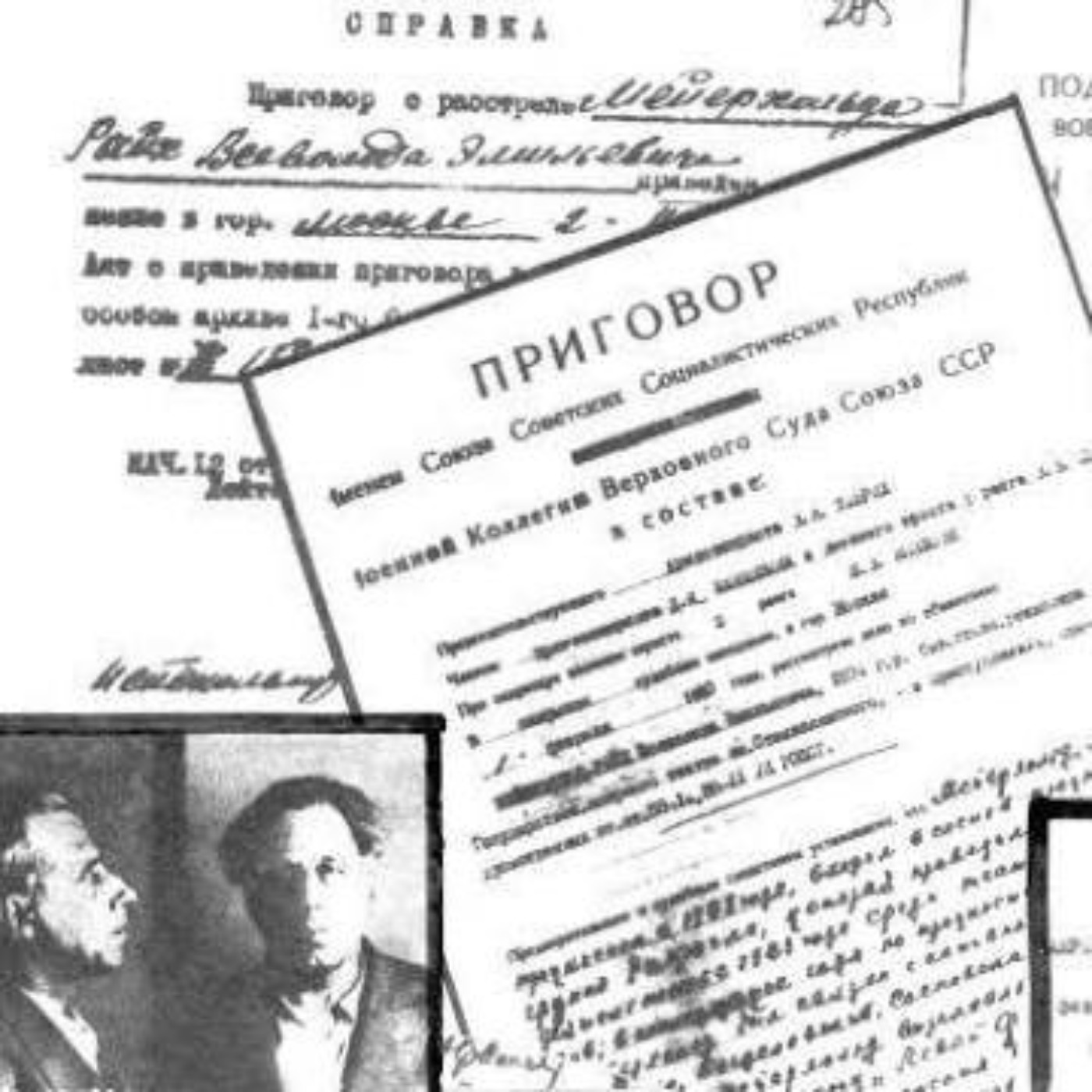 The Soviet Death Penalty 09.09.2026 46mThe fact that the USSR executed its citizens with little jurisprudence is well known. The word “troika” is synonymous with Stalinist repressions of the 1930s. What is less known is that the Soviet Union’s death penalty regime changed significantly in the postwar period. After a brief moratorium adopted by Stalin(!) in 1947, Khrushchev revived capital punishment in 1954 as part of his war on crime. Homicide became a capital offense. The application of the death penalty became professionalized with lawyers, forensics, psychologists, and an appeals process. The narrative of appeals for clemency a...
-
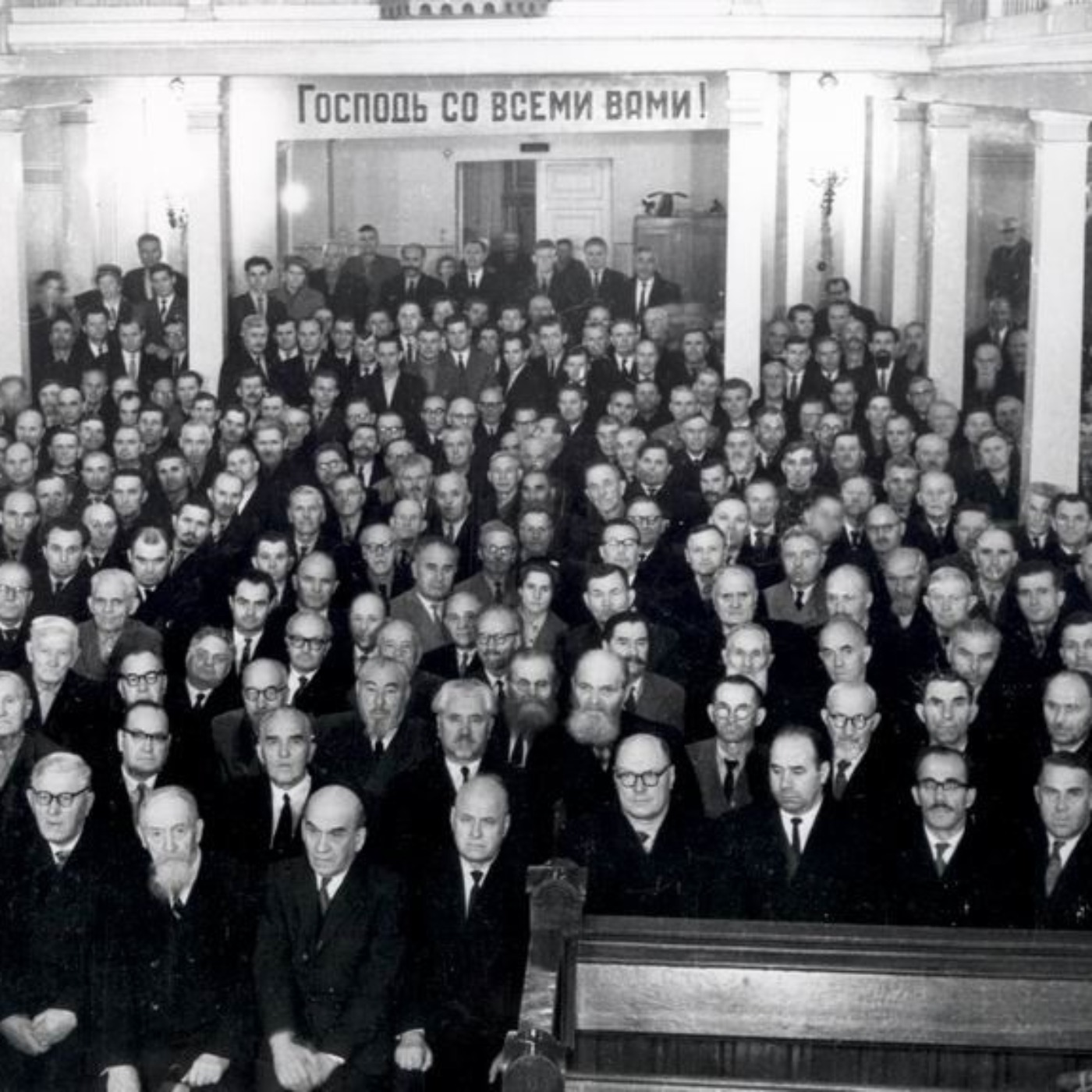 Soviet Protestants 02.09.2026 51mWe tend to think of the 1990s when it comes to Protestantism in Russia. It was then that evangelicals descended on Russia to shine Jesus’ light into the post-Soviet void. Yet, the Soviet Union, despite its best efforts, was a multiconfessional state. And though officially atheist, religious belief persisted, including among the Union’s small pockets of Protestants. Like with other faiths, the state’s relations with Protestants vacillated between repression, accommodation, and control. As Miriam Dobson says in her new book, The Unorthodox, things shifted after Stalin’s death. By the 1960s, regu...
-
 Thresholds Part 7: Olga 26.08.2026 17mOver the last century, tens of millions of people quit Eastern Europe for the United States. The push-pull factors were many—war, poverty, instability, persecution at home and opportunity, refuge, and liberty abroad. But manna didn’t simply fall from the sky in America. Immigrants from Eastern Europe confronted many of the same challenges migrants do everywhere—exploitation, hardship, and discrimination.Thresholds is a REEES podcast series that will grapple with these histories through interviews with scholars and immigrants’ personal profiles. What pushed them to leave? What did they discover...
-
 Thresholds Part 6: Yelena 26.08.2026 15mOver the last century, tens of millions of people quit Eastern Europe for the United States. The push-pull factors were many—war, poverty, instability, persecution at home and opportunity, refuge, and liberty abroad. But manna didn’t simply fall from the sky in America. Immigrants from Eastern Europe confronted many of the same challenges migrants do everywhere—exploitation, hardship, and discrimination.Thresholds is a REEES podcast series that will grapple with these histories through interviews with scholars and immigrants’ personal profiles. What pushed them to leave? What did they discover...
-
 Thresholds Part 5: Julia 26.08.2026 13mOver the last century, tens of millions of people quit Eastern Europe for the United States. The push-pull factors were many—war, poverty, instability, persecution at home and opportunity, refuge, and liberty abroad. But manna didn’t simply fall from the sky in America. Immigrants from Eastern Europe confronted many of the same challenges migrants do everywhere—exploitation, hardship, and discrimination.Thresholds is a REEES podcast series that will grapple with these histories through interviews with scholars and immigrants’ personal profiles. What pushed them to leave? What did they discover...
-
 Thresholds Part 4: New Immigrants 19.08.2026 36mOver the last century, tens of millions of people quit Eastern Europe for the United States. The push-pull factors were many—war, poverty, instability, persecution at home and opportunity, refuge, and liberty abroad. But manna didn’t simply fall from the sky in America. Immigrants from Eastern Europe confronted many of the same challenges migrants do everywhere—exploitation, hardship, and discrimination.Thresholds is a REEES podcast series that will grapple with these histories through interviews with scholars and immigrants’ personal profiles. What pushed them to leave? What did they discover...
-
 Thresholds Part 3: Russians in San Francisco 12.08.2026 35mOver the last century, tens of millions of people quit Eastern Europe for the United States. The push-pull factors were many—war, poverty, instability, persecution at home and opportunity, refuge, and liberty abroad. But manna didn’t simply fall from the sky in America. Immigrants from Eastern Europe confronted many of the same challenges migrants do everywhere—exploitation, hardship, and discrimination.Thresholds is a REEES podcast series that will grapple with these histories through interviews with scholars and immigrants’ personal profiles. What pushed them to leave? What did they discover...
-
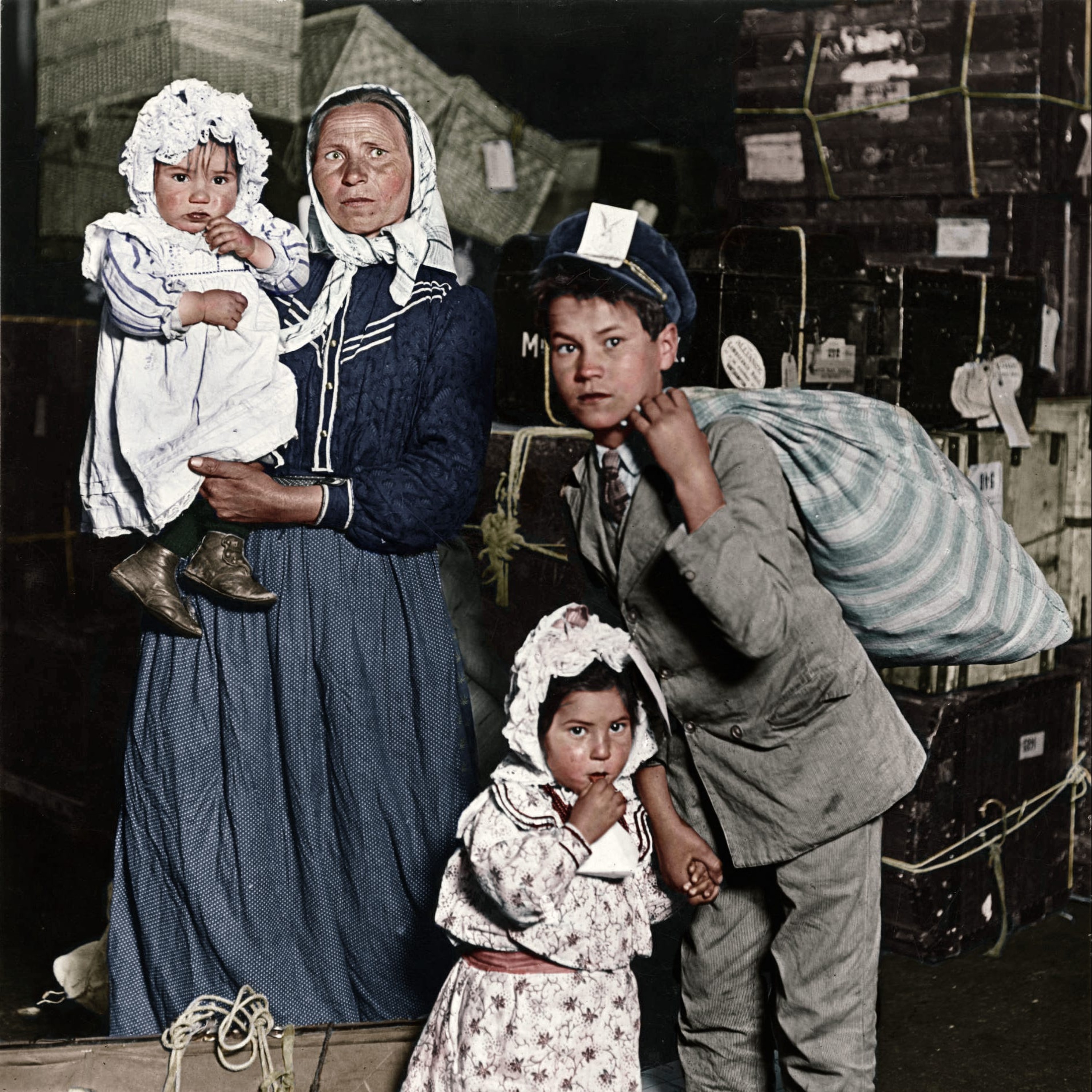 Thresholds Part 2: Becoming White 05.08.2026 29mOver the last century, tens of millions of people quit Eastern Europe for the United States. The push-pull factors were many—war, poverty, instability, persecution at home and opportunity, refuge, and liberty abroad. But manna didn’t simply fall from the sky in America. Immigrants from Eastern Europe confronted many of the same challenges migrants do everywhere—exploitation, hardship, and discrimination.Thresholds is a REEES podcast series that will grapple with these histories through interviews with scholars and immigrants’ personal profiles. What pushed them to leave? What did they discover...
-
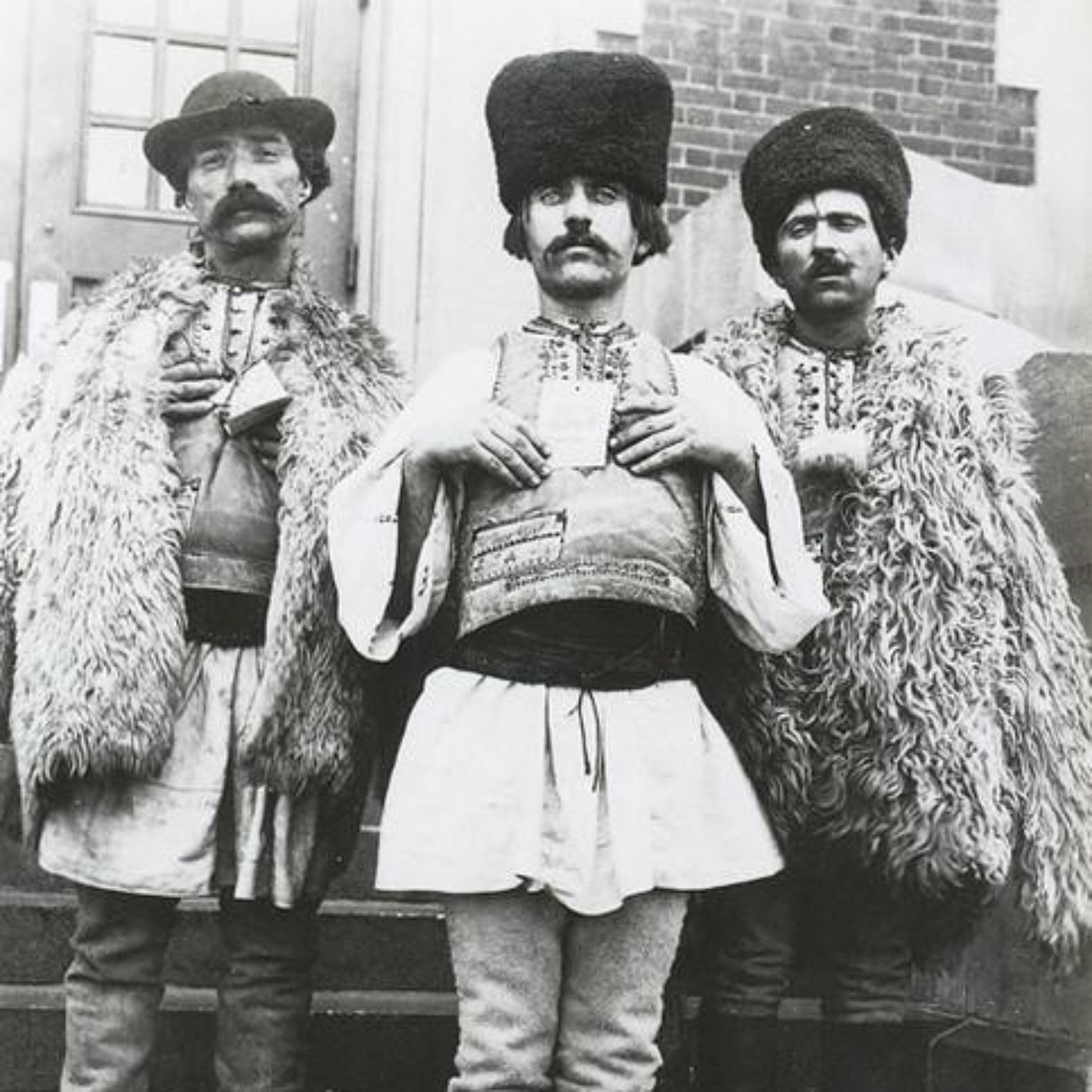 Thresholds Part 1: Leaving the Old Country 29.07.2026 38mOver the last century, tens of millions of people quit Eastern Europe for the United States. The push-pull factors were many—war, poverty, instability, persecution at home and opportunity, refuge, and liberty abroad. But manna didn’t simply fall from the sky in America. Immigrants from Eastern Europe confronted many of the same challenges migrants do everywhere—exploitation, hardship, and discrimination.Thresholds is a REEES podcast series that will grapple with these histories through interviews with scholars and immigrants’ personal profiles. What pushed them to leave? What did they discover...
-
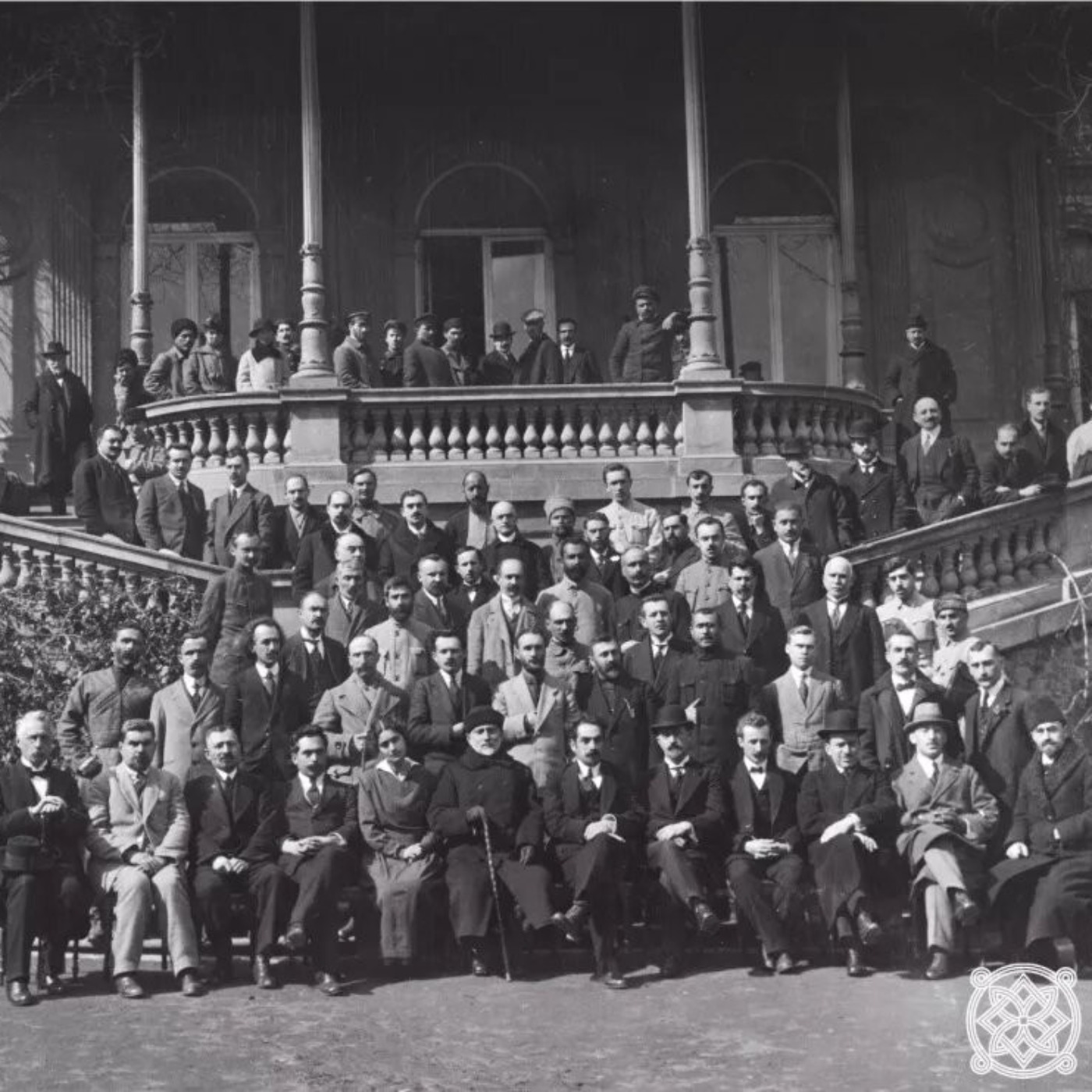 The Rise and Fall of the Georgian Democratic Republic 22.07.2026 58mThe Georgian Democratic Republic lasted a mere three years, from 1918-1921. And though it was viewed as an oddity at the time, many European social democrats marveled at its possibilities. Here was a state committed to social democracy in a mostly backward peasant and multiethnic country. What promises did it hold for the future? Unfortunately, the world never learned because the Bolsheviks crushed it in 1921 and proceeded to sovietize Georgia. The republic was denounced as counter revolutionary and its memory faded as its founders died in exile. So what was this brief experiment in social dem...
Similar podcasts


Popular in
The podcast also appears in the podcast charts of these countries.


