
"Old" Arcadia
Sir Philip Sidney
0
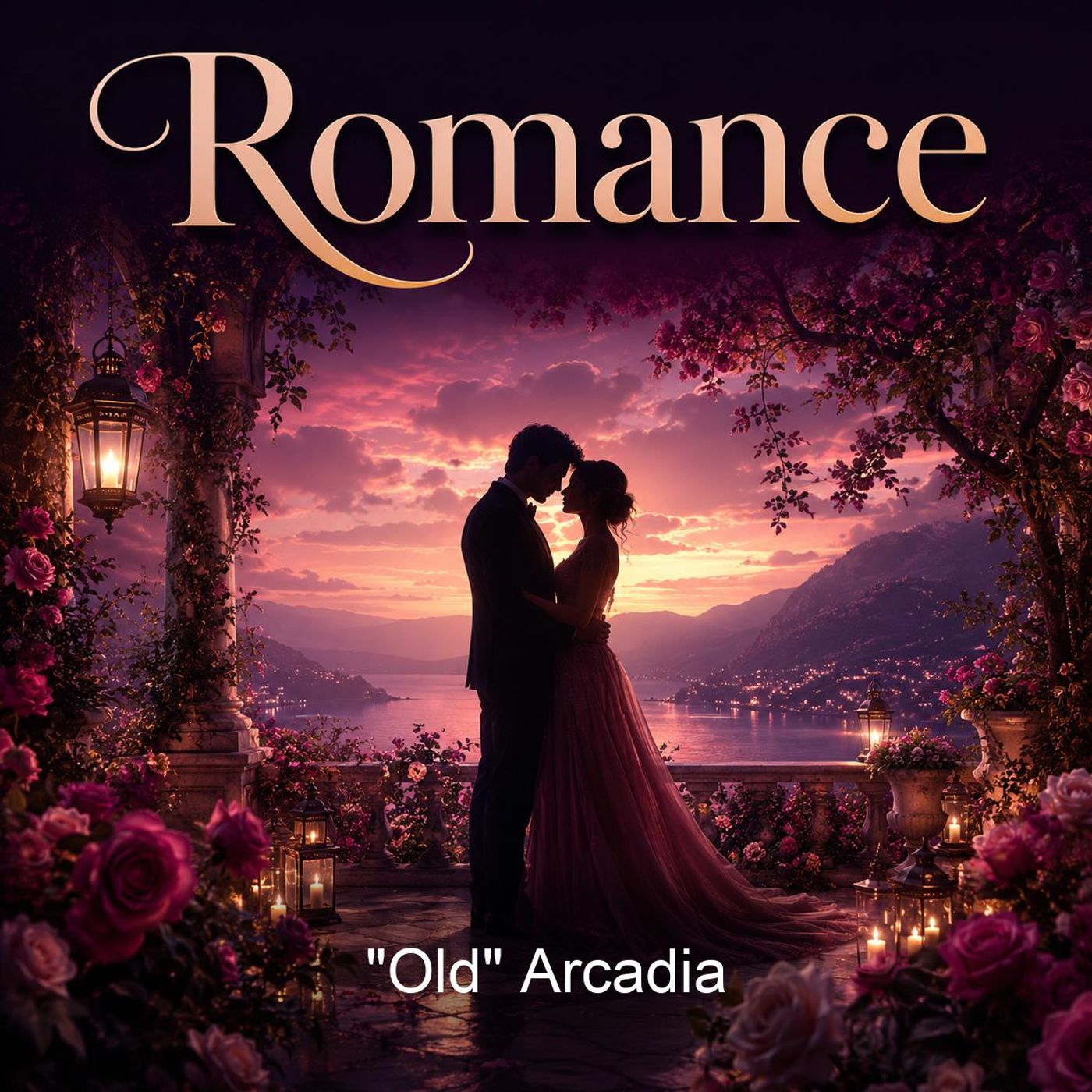
The podcast presents a rotating collection of complete audiobooks inspired by Sir Philip Sidney's "Old Arcadia," focusing on pastoral romance, disguise, love, and social intrigue. Each episode offers a new narrative set in an idealized countryside where noble characters grapple with identity, desire, and human relationships. The stories explore the charm of rural life alongside its underlying tensions and aspirations. Listeners can discover a different book every episode, with themes of connection and adventure in an idyllic world. The show includes AI-generated content.
Episodes
-
 Voice and Public Speaking-John Poole Sandlands 27.08.2026 4h 11mSir Philip Sidney wrote two romances which he called Arcadia. The revised version he never finished because of his untimely death on the battlefield. The less complicated but finished earlier version, here recorded, was written while the author resided with his sister, the Countess of Pembroke. To a greater degree than other romances having pastoral settings, like Lodge's Rosalynde, the main characters, the chief secondary ones, and even some minor ones are not shepherds but great persons sojourning in the countryside of Arcadia, an idealized pagan Greek duchy, the heroes disguised in order to court the daughters of the duke, who is vacationing in his own realm. They themselves have already made a reputation for themselves, which they conceal to conform to the Duke’s rusticating mood. They are not yet old enough to shave, giving one of them the opportunity to pose as an Amazon. These disguises serve more complicated ends as the plot develops. The style is ornamental, the syntax tangled, and at times the author himself gets lost in his own Chinese boxes, which become yet more difficult to parse in the eclogues. To readers accustomed to today’s fragmented style, Sidney’s balanced antitheses will seem alien, as will the highly sophisticated poetry that springs extempore from the lips of shepherds and disguised courtiers alike, and the prose bejeweled with platitudes. These aspects of style, however, befit the idealized landscape that resembles the scenes on fine painted china. Moreover, the author’s penchant for balancing one concept with another (e.g., "what for many was made should not for one be broken") is reflected in the plot, from the very beginning, where the great world outside begins to invade the pastoral retreat. The occasional hints of irony, as in a battle scene which starkly contrasts with the rural setting, is described in language rivaling Ovid’s high camp. Yet, in spite of the mild self-mockery, the writer’s admiration for his two pairs of lovers registers as sincere, and as the fist of Justice comes slamming down upon the pastoral retreat, one’s hope that the maxim "Et in Arcadia Ego" is a myth becomes tenuous. (comment by Thomas A. Copeland)This episode includes AI-generated content.
 -
France At War On the Frontier of Civilization-Rudyard Kipling 26.08.2026 1h 42mSir Philip Sidney wrote two romances which he called Arcadia. The revised version he never finished because of his untimely death on the battlefield. The less complicated but finished earlier version, here recorded, was written while the author resided with his sister, the Countess of Pembroke. To a greater degree than other romances having pastoral settings, like Lodge's Rosalynde, the main characters, the chief secondary ones, and even some minor ones are not shepherds but great persons sojourning in the countryside of Arcadia, an idealized pagan Greek duchy, the heroes disguised in order to court the daughters of the duke, who is vacationing in his own realm. They themselves have already made a reputation for themselves, which they conceal to conform to the Duke’s rusticating mood. They are not yet old enough to shave, giving one of them the opportunity to pose as an Amazon. These disguises serve more complicated ends as the plot develops. The style is ornamental, the syntax tangled, and at times the author himself gets lost in his own Chinese boxes, which become yet more difficult to parse in the eclogues. To readers accustomed to today’s fragmented style, Sidney’s balanced antitheses will seem alien, as will the highly sophisticated poetry that springs extempore from the lips of shepherds and disguised courtiers alike, and the prose bejeweled with platitudes. These aspects of style, however, befit the idealized landscape that resembles the scenes on fine painted china. Moreover, the author’s penchant for balancing one concept with another (e.g., "what for many was made should not for one be broken") is reflected in the plot, from the very beginning, where the great world outside begins to invade the pastoral retreat. The occasional hints of irony, as in a battle scene which starkly contrasts with the rural setting, is described in language rivaling Ovid’s high camp. Yet, in spite of the mild self-mockery, the writer’s admiration for his two pairs of lovers registers as sincere, and as the fist of Justice comes slamming down upon the pastoral retreat, one’s hope that the maxim "Et in Arcadia Ego" is a myth becomes tenuous. (comment by Thomas A. Copeland)This episode includes AI-generated content.
-
Bible (ASV) 38 Zechariah-American Standard Version 25.08.2026 40mSir Philip Sidney wrote two romances which he called Arcadia. The revised version he never finished because of his untimely death on the battlefield. The less complicated but finished earlier version, here recorded, was written while the author resided with his sister, the Countess of Pembroke. To a greater degree than other romances having pastoral settings, like Lodge's Rosalynde, the main characters, the chief secondary ones, and even some minor ones are not shepherds but great persons sojourning in the countryside of Arcadia, an idealized pagan Greek duchy, the heroes disguised in order to court the daughters of the duke, who is vacationing in his own realm. They themselves have already made a reputation for themselves, which they conceal to conform to the Duke’s rusticating mood. They are not yet old enough to shave, giving one of them the opportunity to pose as an Amazon. These disguises serve more complicated ends as the plot develops. The style is ornamental, the syntax tangled, and at times the author himself gets lost in his own Chinese boxes, which become yet more difficult to parse in the eclogues. To readers accustomed to today’s fragmented style, Sidney’s balanced antitheses will seem alien, as will the highly sophisticated poetry that springs extempore from the lips of shepherds and disguised courtiers alike, and the prose bejeweled with platitudes. These aspects of style, however, befit the idealized landscape that resembles the scenes on fine painted china. Moreover, the author’s penchant for balancing one concept with another (e.g., "what for many was made should not for one be broken") is reflected in the plot, from the very beginning, where the great world outside begins to invade the pastoral retreat. The occasional hints of irony, as in a battle scene which starkly contrasts with the rural setting, is described in language rivaling Ovid’s high camp. Yet, in spite of the mild self-mockery, the writer’s admiration for his two pairs of lovers registers as sincere, and as the fist of Justice comes slamming down upon the pastoral retreat, one’s hope that the maxim "Et in Arcadia Ego" is a myth becomes tenuous. (comment by Thomas A. Copeland)This episode includes AI-generated content.
-
Selected Poems-Siegfried Sassoon 24.08.2026 1h 34mSir Philip Sidney wrote two romances which he called Arcadia. The revised version he never finished because of his untimely death on the battlefield. The less complicated but finished earlier version, here recorded, was written while the author resided with his sister, the Countess of Pembroke. To a greater degree than other romances having pastoral settings, like Lodge's Rosalynde, the main characters, the chief secondary ones, and even some minor ones are not shepherds but great persons sojourning in the countryside of Arcadia, an idealized pagan Greek duchy, the heroes disguised in order to court the daughters of the duke, who is vacationing in his own realm. They themselves have already made a reputation for themselves, which they conceal to conform to the Duke’s rusticating mood. They are not yet old enough to shave, giving one of them the opportunity to pose as an Amazon. These disguises serve more complicated ends as the plot develops. The style is ornamental, the syntax tangled, and at times the author himself gets lost in his own Chinese boxes, which become yet more difficult to parse in the eclogues. To readers accustomed to today’s fragmented style, Sidney’s balanced antitheses will seem alien, as will the highly sophisticated poetry that springs extempore from the lips of shepherds and disguised courtiers alike, and the prose bejeweled with platitudes. These aspects of style, however, befit the idealized landscape that resembles the scenes on fine painted china. Moreover, the author’s penchant for balancing one concept with another (e.g., "what for many was made should not for one be broken") is reflected in the plot, from the very beginning, where the great world outside begins to invade the pastoral retreat. The occasional hints of irony, as in a battle scene which starkly contrasts with the rural setting, is described in language rivaling Ovid’s high camp. Yet, in spite of the mild self-mockery, the writer’s admiration for his two pairs of lovers registers as sincere, and as the fist of Justice comes slamming down upon the pastoral retreat, one’s hope that the maxim "Et in Arcadia Ego" is a myth becomes tenuous. (comment by Thomas A. Copeland)This episode includes AI-generated content.
-
In Indian Tents-Abby Langdon Alger 23.08.2026 2h 38mSir Philip Sidney wrote two romances which he called Arcadia. The revised version he never finished because of his untimely death on the battlefield. The less complicated but finished earlier version, here recorded, was written while the author resided with his sister, the Countess of Pembroke. To a greater degree than other romances having pastoral settings, like Lodge's Rosalynde, the main characters, the chief secondary ones, and even some minor ones are not shepherds but great persons sojourning in the countryside of Arcadia, an idealized pagan Greek duchy, the heroes disguised in order to court the daughters of the duke, who is vacationing in his own realm. They themselves have already made a reputation for themselves, which they conceal to conform to the Duke’s rusticating mood. They are not yet old enough to shave, giving one of them the opportunity to pose as an Amazon. These disguises serve more complicated ends as the plot develops. The style is ornamental, the syntax tangled, and at times the author himself gets lost in his own Chinese boxes, which become yet more difficult to parse in the eclogues. To readers accustomed to today’s fragmented style, Sidney’s balanced antitheses will seem alien, as will the highly sophisticated poetry that springs extempore from the lips of shepherds and disguised courtiers alike, and the prose bejeweled with platitudes. These aspects of style, however, befit the idealized landscape that resembles the scenes on fine painted china. Moreover, the author’s penchant for balancing one concept with another (e.g., "what for many was made should not for one be broken") is reflected in the plot, from the very beginning, where the great world outside begins to invade the pastoral retreat. The occasional hints of irony, as in a battle scene which starkly contrasts with the rural setting, is described in language rivaling Ovid’s high camp. Yet, in spite of the mild self-mockery, the writer’s admiration for his two pairs of lovers registers as sincere, and as the fist of Justice comes slamming down upon the pastoral retreat, one’s hope that the maxim "Et in Arcadia Ego" is a myth becomes tenuous. (comment by Thomas A. Copeland)This episode includes AI-generated content.
-
Brihadaranyaka Upanishad-Unknown 22.08.2026 4h 50mSir Philip Sidney wrote two romances which he called Arcadia. The revised version he never finished because of his untimely death on the battlefield. The less complicated but finished earlier version, here recorded, was written while the author resided with his sister, the Countess of Pembroke. To a greater degree than other romances having pastoral settings, like Lodge's Rosalynde, the main characters, the chief secondary ones, and even some minor ones are not shepherds but great persons sojourning in the countryside of Arcadia, an idealized pagan Greek duchy, the heroes disguised in order to court the daughters of the duke, who is vacationing in his own realm. They themselves have already made a reputation for themselves, which they conceal to conform to the Duke’s rusticating mood. They are not yet old enough to shave, giving one of them the opportunity to pose as an Amazon. These disguises serve more complicated ends as the plot develops. The style is ornamental, the syntax tangled, and at times the author himself gets lost in his own Chinese boxes, which become yet more difficult to parse in the eclogues. To readers accustomed to today’s fragmented style, Sidney’s balanced antitheses will seem alien, as will the highly sophisticated poetry that springs extempore from the lips of shepherds and disguised courtiers alike, and the prose bejeweled with platitudes. These aspects of style, however, befit the idealized landscape that resembles the scenes on fine painted china. Moreover, the author’s penchant for balancing one concept with another (e.g., "what for many was made should not for one be broken") is reflected in the plot, from the very beginning, where the great world outside begins to invade the pastoral retreat. The occasional hints of irony, as in a battle scene which starkly contrasts with the rural setting, is described in language rivaling Ovid’s high camp. Yet, in spite of the mild self-mockery, the writer’s admiration for his two pairs of lovers registers as sincere, and as the fist of Justice comes slamming down upon the pastoral retreat, one’s hope that the maxim "Et in Arcadia Ego" is a myth becomes tenuous. (comment by Thomas A. Copeland)This episode includes AI-generated content.
-
Stories from the Ballads, Told to the Children-Mary Esther Miller MacGregor 21.08.2026 2hSir Philip Sidney wrote two romances which he called Arcadia. The revised version he never finished because of his untimely death on the battlefield. The less complicated but finished earlier version, here recorded, was written while the author resided with his sister, the Countess of Pembroke. To a greater degree than other romances having pastoral settings, like Lodge's Rosalynde, the main characters, the chief secondary ones, and even some minor ones are not shepherds but great persons sojourning in the countryside of Arcadia, an idealized pagan Greek duchy, the heroes disguised in order to court the daughters of the duke, who is vacationing in his own realm. They themselves have already made a reputation for themselves, which they conceal to conform to the Duke’s rusticating mood. They are not yet old enough to shave, giving one of them the opportunity to pose as an Amazon. These disguises serve more complicated ends as the plot develops. The style is ornamental, the syntax tangled, and at times the author himself gets lost in his own Chinese boxes, which become yet more difficult to parse in the eclogues. To readers accustomed to today’s fragmented style, Sidney’s balanced antitheses will seem alien, as will the highly sophisticated poetry that springs extempore from the lips of shepherds and disguised courtiers alike, and the prose bejeweled with platitudes. These aspects of style, however, befit the idealized landscape that resembles the scenes on fine painted china. Moreover, the author’s penchant for balancing one concept with another (e.g., "what for many was made should not for one be broken") is reflected in the plot, from the very beginning, where the great world outside begins to invade the pastoral retreat. The occasional hints of irony, as in a battle scene which starkly contrasts with the rural setting, is described in language rivaling Ovid’s high camp. Yet, in spite of the mild self-mockery, the writer’s admiration for his two pairs of lovers registers as sincere, and as the fist of Justice comes slamming down upon the pastoral retreat, one’s hope that the maxim "Et in Arcadia Ego" is a myth becomes tenuous. (comment by Thomas A. Copeland)This episode includes AI-generated content.
-
Venus and Adonis 20.08.2026 1h 7mSir Philip Sidney wrote two romances which he called Arcadia. The revised version he never finished because of his untimely death on the battlefield. The less complicated but finished earlier version, here recorded, was written while the author resided with his sister, the Countess of Pembroke. To a greater degree than other romances having pastoral settings, like Lodge's Rosalynde, the main characters, the chief secondary ones, and even some minor ones are not shepherds but great persons sojourning in the countryside of Arcadia, an idealized pagan Greek duchy, the heroes disguised in order to court the daughters of the duke, who is vacationing in his own realm. They themselves have already made a reputation for themselves, which they conceal to conform to the Duke’s rusticating mood. They are not yet old enough to shave, giving one of them the opportunity to pose as an Amazon. These disguises serve more complicated ends as the plot develops. The style is ornamental, the syntax tangled, and at times the author himself gets lost in his own Chinese boxes, which become yet more difficult to parse in the eclogues. To readers accustomed to today’s fragmented style, Sidney’s balanced antitheses will seem alien, as will the highly sophisticated poetry that springs extempore from the lips of shepherds and disguised courtiers alike, and the prose bejeweled with platitudes. These aspects of style, however, befit the idealized landscape that resembles the scenes on fine painted china. Moreover, the author’s penchant for balancing one concept with another (e.g., "what for many was made should not for one be broken") is reflected in the plot, from the very beginning, where the great world outside begins to invade the pastoral retreat. The occasional hints of irony, as in a battle scene which starkly contrasts with the rural setting, is described in language rivaling Ovid’s high camp. Yet, in spite of the mild self-mockery, the writer’s admiration for his two pairs of lovers registers as sincere, and as the fist of Justice comes slamming down upon the pastoral retreat, one’s hope that the maxim "Et in Arcadia Ego" is a myth becomes tenuous. (comment by Thomas A. Copeland)This episode includes AI-generated content.
-
Powder of Sympathy-Christopher Morley 20.08.2026 8h 2mSir Philip Sidney wrote two romances which he called Arcadia. The revised version he never finished because of his untimely death on the battlefield. The less complicated but finished earlier version, here recorded, was written while the author resided with his sister, the Countess of Pembroke. To a greater degree than other romances having pastoral settings, like Lodge's Rosalynde, the main characters, the chief secondary ones, and even some minor ones are not shepherds but great persons sojourning in the countryside of Arcadia, an idealized pagan Greek duchy, the heroes disguised in order to court the daughters of the duke, who is vacationing in his own realm. They themselves have already made a reputation for themselves, which they conceal to conform to the Duke’s rusticating mood. They are not yet old enough to shave, giving one of them the opportunity to pose as an Amazon. These disguises serve more complicated ends as the plot develops. The style is ornamental, the syntax tangled, and at times the author himself gets lost in his own Chinese boxes, which become yet more difficult to parse in the eclogues. To readers accustomed to today’s fragmented style, Sidney’s balanced antitheses will seem alien, as will the highly sophisticated poetry that springs extempore from the lips of shepherds and disguised courtiers alike, and the prose bejeweled with platitudes. These aspects of style, however, befit the idealized landscape that resembles the scenes on fine painted china. Moreover, the author’s penchant for balancing one concept with another (e.g., "what for many was made should not for one be broken") is reflected in the plot, from the very beginning, where the great world outside begins to invade the pastoral retreat. The occasional hints of irony, as in a battle scene which starkly contrasts with the rural setting, is described in language rivaling Ovid’s high camp. Yet, in spite of the mild self-mockery, the writer’s admiration for his two pairs of lovers registers as sincere, and as the fist of Justice comes slamming down upon the pastoral retreat, one’s hope that the maxim "Et in Arcadia Ego" is a myth becomes tenuous. (comment by Thomas A. Copeland)This episode includes AI-generated content.
-
Reign of King Edward the Third-William Shakespeare 18.08.2026 2h 36mSir Philip Sidney wrote two romances which he called Arcadia. The revised version he never finished because of his untimely death on the battlefield. The less complicated but finished earlier version, here recorded, was written while the author resided with his sister, the Countess of Pembroke. To a greater degree than other romances having pastoral settings, like Lodge's Rosalynde, the main characters, the chief secondary ones, and even some minor ones are not shepherds but great persons sojourning in the countryside of Arcadia, an idealized pagan Greek duchy, the heroes disguised in order to court the daughters of the duke, who is vacationing in his own realm. They themselves have already made a reputation for themselves, which they conceal to conform to the Duke’s rusticating mood. They are not yet old enough to shave, giving one of them the opportunity to pose as an Amazon. These disguises serve more complicated ends as the plot develops. The style is ornamental, the syntax tangled, and at times the author himself gets lost in his own Chinese boxes, which become yet more difficult to parse in the eclogues. To readers accustomed to today’s fragmented style, Sidney’s balanced antitheses will seem alien, as will the highly sophisticated poetry that springs extempore from the lips of shepherds and disguised courtiers alike, and the prose bejeweled with platitudes. These aspects of style, however, befit the idealized landscape that resembles the scenes on fine painted china. Moreover, the author’s penchant for balancing one concept with another (e.g., "what for many was made should not for one be broken") is reflected in the plot, from the very beginning, where the great world outside begins to invade the pastoral retreat. The occasional hints of irony, as in a battle scene which starkly contrasts with the rural setting, is described in language rivaling Ovid’s high camp. Yet, in spite of the mild self-mockery, the writer’s admiration for his two pairs of lovers registers as sincere, and as the fist of Justice comes slamming down upon the pastoral retreat, one’s hope that the maxim "Et in Arcadia Ego" is a myth becomes tenuous. (comment by Thomas A. Copeland)This episode includes AI-generated content.
-
Imperialism and World Politics, Part 3 of 4-Parker Thomas Moon 17.08.2026 6h 37mSir Philip Sidney wrote two romances which he called Arcadia. The revised version he never finished because of his untimely death on the battlefield. The less complicated but finished earlier version, here recorded, was written while the author resided with his sister, the Countess of Pembroke. To a greater degree than other romances having pastoral settings, like Lodge's Rosalynde, the main characters, the chief secondary ones, and even some minor ones are not shepherds but great persons sojourning in the countryside of Arcadia, an idealized pagan Greek duchy, the heroes disguised in order to court the daughters of the duke, who is vacationing in his own realm. They themselves have already made a reputation for themselves, which they conceal to conform to the Duke’s rusticating mood. They are not yet old enough to shave, giving one of them the opportunity to pose as an Amazon. These disguises serve more complicated ends as the plot develops. The style is ornamental, the syntax tangled, and at times the author himself gets lost in his own Chinese boxes, which become yet more difficult to parse in the eclogues. To readers accustomed to today’s fragmented style, Sidney’s balanced antitheses will seem alien, as will the highly sophisticated poetry that springs extempore from the lips of shepherds and disguised courtiers alike, and the prose bejeweled with platitudes. These aspects of style, however, befit the idealized landscape that resembles the scenes on fine painted china. Moreover, the author’s penchant for balancing one concept with another (e.g., "what for many was made should not for one be broken") is reflected in the plot, from the very beginning, where the great world outside begins to invade the pastoral retreat. The occasional hints of irony, as in a battle scene which starkly contrasts with the rural setting, is described in language rivaling Ovid’s high camp. Yet, in spite of the mild self-mockery, the writer’s admiration for his two pairs of lovers registers as sincere, and as the fist of Justice comes slamming down upon the pastoral retreat, one’s hope that the maxim "Et in Arcadia Ego" is a myth becomes tenuous. (comment by Thomas A. Copeland)This episode includes AI-generated content.
-
Wine and Roses-Victor Daley 16.08.2026 3h 1mSir Philip Sidney wrote two romances which he called Arcadia. The revised version he never finished because of his untimely death on the battlefield. The less complicated but finished earlier version, here recorded, was written while the author resided with his sister, the Countess of Pembroke. To a greater degree than other romances having pastoral settings, like Lodge's Rosalynde, the main characters, the chief secondary ones, and even some minor ones are not shepherds but great persons sojourning in the countryside of Arcadia, an idealized pagan Greek duchy, the heroes disguised in order to court the daughters of the duke, who is vacationing in his own realm. They themselves have already made a reputation for themselves, which they conceal to conform to the Duke’s rusticating mood. They are not yet old enough to shave, giving one of them the opportunity to pose as an Amazon. These disguises serve more complicated ends as the plot develops. The style is ornamental, the syntax tangled, and at times the author himself gets lost in his own Chinese boxes, which become yet more difficult to parse in the eclogues. To readers accustomed to today’s fragmented style, Sidney’s balanced antitheses will seem alien, as will the highly sophisticated poetry that springs extempore from the lips of shepherds and disguised courtiers alike, and the prose bejeweled with platitudes. These aspects of style, however, befit the idealized landscape that resembles the scenes on fine painted china. Moreover, the author’s penchant for balancing one concept with another (e.g., "what for many was made should not for one be broken") is reflected in the plot, from the very beginning, where the great world outside begins to invade the pastoral retreat. The occasional hints of irony, as in a battle scene which starkly contrasts with the rural setting, is described in language rivaling Ovid’s high camp. Yet, in spite of the mild self-mockery, the writer’s admiration for his two pairs of lovers registers as sincere, and as the fist of Justice comes slamming down upon the pastoral retreat, one’s hope that the maxim "Et in Arcadia Ego" is a myth becomes tenuous. (comment by Thomas A. Copeland)This episode includes AI-generated content.
-
Prelude-William Wordsworth 03.08.2026 7h 55m"Prelude" by William Wordsworth is a profound exploration of the poet's own journey towards self-discovery and understanding of the human experience. This seminal work delves into themes of nature, memory, and the transformative power of imagination, reflecting Wordsworth's belief in the significance of personal and collective histories. Its lyrical beauty and introspective depth make it a timeless piece that resonates with anyone seeking to understand their place in the world. As we navigate our own paths in life, Wordsworth's insights into the interplay between emotion and nature remind us of the enduring quest for meaning and connection that defines the human spirit.This episode includes AI-generated content.
-
Old Arcadia - Sir Philip Sidney - Part 2 01.07.2026 7h 57mSir Philip Sidney wrote two romances which he called Arcadia. The revised version he never finished because of his untimely death on the battlefield. The less complicated but finished earlier version, here recorded, was written while the author resided with his sister, the Countess of Pembroke. To a greater degree than other romances having pastoral settings, like Lodge's Rosalynde, the main characters, the chief secondary ones, and even some minor ones are not shepherds but great persons sojourning in the countryside of Arcadia, an idealized pagan Greek duchy, the heroes disguised in order to court the daughters of the duke, who is vacationing in his own realm. They themselves have already made a reputation for themselves, which they conceal to conform to the Duke’s rusticating mood. They are not yet old enough to shave, giving one of them the opportunity to pose as an Amazon. These disguises serve more complicated ends as the plot develops. The style is ornamental, the syntax tangled, and at times the author himself gets lost in his own Chinese boxes, which become yet more difficult to parse in the eclogues. To readers accustomed to today’s fragmented style, Sidney’s balanced antitheses will seem alien, as will the highly sophisticated poetry that springs extempore from the lips of shepherds and disguised courtiers alike, and the prose bejeweled with platitudes. These aspects of style, however, befit the idealized landscape that resembles the scenes on fine painted china. Moreover, the author’s penchant for balancing one concept with another (e.g., "what for many was made should not for one be broken") is reflected in the plot, from the very beginning, where the great world outside begins to invade the pastoral retreat. The occasional hints of irony, as in a battle scene which starkly contrasts with the rural setting, is described in language rivaling Ovid’s high camp. Yet, in spite of the mild self-mockery, the writer’s admiration for his two pairs of lovers registers as sincere, and as the fist of Justice comes slamming down upon the pastoral retreat, one’s hope that the maxim "Et in Arcadia Ego" is a myth becomes tenuous. (comment by Thomas A. Copeland)This episode includes AI-generated content.
-
Old Arcadia - Sir Philip Sidney - Part 1 30.06.2026 9h 23mSir Philip Sidney wrote two romances which he called Arcadia. The revised version he never finished because of his untimely death on the battlefield. The less complicated but finished earlier version, here recorded, was written while the author resided with his sister, the Countess of Pembroke. To a greater degree than other romances having pastoral settings, like Lodge's Rosalynde, the main characters, the chief secondary ones, and even some minor ones are not shepherds but great persons sojourning in the countryside of Arcadia, an idealized pagan Greek duchy, the heroes disguised in order to court the daughters of the duke, who is vacationing in his own realm. They themselves have already made a reputation for themselves, which they conceal to conform to the Duke’s rusticating mood. They are not yet old enough to shave, giving one of them the opportunity to pose as an Amazon. These disguises serve more complicated ends as the plot develops. The style is ornamental, the syntax tangled, and at times the author himself gets lost in his own Chinese boxes, which become yet more difficult to parse in the eclogues. To readers accustomed to today’s fragmented style, Sidney’s balanced antitheses will seem alien, as will the highly sophisticated poetry that springs extempore from the lips of shepherds and disguised courtiers alike, and the prose bejeweled with platitudes. These aspects of style, however, befit the idealized landscape that resembles the scenes on fine painted china. Moreover, the author’s penchant for balancing one concept with another (e.g., "what for many was made should not for one be broken") is reflected in the plot, from the very beginning, where the great world outside begins to invade the pastoral retreat. The occasional hints of irony, as in a battle scene which starkly contrasts with the rural setting, is described in language rivaling Ovid’s high camp. Yet, in spite of the mild self-mockery, the writer’s admiration for his two pairs of lovers registers as sincere, and as the fist of Justice comes slamming down upon the pastoral retreat, one’s hope that the maxim "Et in Arcadia Ego" is a myth becomes tenuous. (comment by Thomas A. Copeland)This episode includes AI-generated content.
Similar podcasts


Popular in
The podcast also appears in the podcast charts of these countries.
