
mind you
Charlotte Cummings
0
"mind you" is a podcast hosted by Charlotte Cummings that focuses on personal growth and everyday wellbeing. Each episode offers practical thoughts and encouragement for people who want to build lives that feel good. The tone is conversational and supportive, aimed at listeners looking for motivation and small, workable changes rather than quick fixes.
Episodes
-
 Hate Your Job, Now What? 25.10.2026 42mHate your job but can’t work out what to do next? This one’s for you.This episode came from a listener request, plus a handful of DMs this week about the very same dilemma.When work stops lighting you up, “I don’t know what I want” can feel like the whole problem. In my experience, it’s often covering something else.I unpack the four kinds of stuck I see most in my therapy room: clarity, pathway, permission and price. For each one, I share what keeps people there and the practical steps that get them moving.I also talk about:the levers you can pull in your current job before you walk awayhow burnout can make a good job feel unbearablethe competence trap, and why being good at your job is no reason to stay foreverthe “I should just be grateful” guiltthe grief, identity shifts and relationship changes that come with a career pivotTake what fits and leave the rest. Then ask yourself what your next step is.Mentioned in this episode:Unbearable Feelings episode: https://open.spotify.com/episode/2vh7ZngihnqTVgO9UiawsDPreferred Futures episode: https://open.spotify.com/episode/172bvOIVVm7uBScXt3jUsECliftonStrengths: https://www.gallup.com/cliftonstrengthsJoin the Podcast Club on the Mind You app to share what stood out for you and what you’re committing to next. Start here: charlottecummings.nzInstagram @charlottecummings_mindyou
-
Top NZ Sleep Dr Shares His Routine 18.10.2026 50mWhat does a sleep expert do before bed?I sat down with Dr Sumit, ENT and sleep surgeon and co-founder of Auckland Sleep, to talk about why so many of us are exhausted and still can’t sleep.Sumit shares his own morning and evening routine, why sleep is a 24-hour cycle, and why you need time to just be before bed after a whole day of doing.We talk about what happens when sleep problems land in a relationship, the link between ADHD and sleep apnoea, melatonin for children, and why menopause can leave you lying awake just as the kids finally sleep through. Sumit also explains why so much sleep research has been based on men, and what that means for women.If you’ve decided bad sleep is just how it is for you, listen to this first.You can find Dr Sumit and his team at aucklandsleep.co.nz And, if you'd like to try Beauty Sleep, head to jeuneora.co.nzPlus, if you want to keep your own wellbeing on your to-do-list, let me help you - come and find the Mind You app at charlottecummings.nz
-
When One Of You Changes 11.10.2026 34mWhen one person changes, the relationship can feel like it’s suddenly playing by new rules. If you’re growing in a different direction from your partner, Charlotte Cummings offers practical ways to reconnect without asking either of you to become someone you’re not. A shift in career, faith, sobriety, personal growth, boundaries, or even your understanding of yourself can move the goalposts for both partners. Charlotte explores why these changes can unsettle a relationship - and how couples can make room for who they’re becoming. You’ll discover how to stay connected to each other’s inner worlds, ask questions that invite curiosity instead of conflict, and negotiate change without trying to persuade your partner. Charlotte also explores the grief that can come with leaving an old version of your relationship behind, and how to notice what still unites you. Plus, find out why doing something genuinely exciting together may help more than another pleasant dinner date, how difficult feelings can shape your reactions, and how to support a partner’s change without giving up your own beliefs or preferences. Change doesn’t automatically mean you’re growing apart. For couples in a season of uncertainty, this conversation offers a hopeful, grounded way to find new ways of being together while keeping safety and wellbeing at the centre.
-
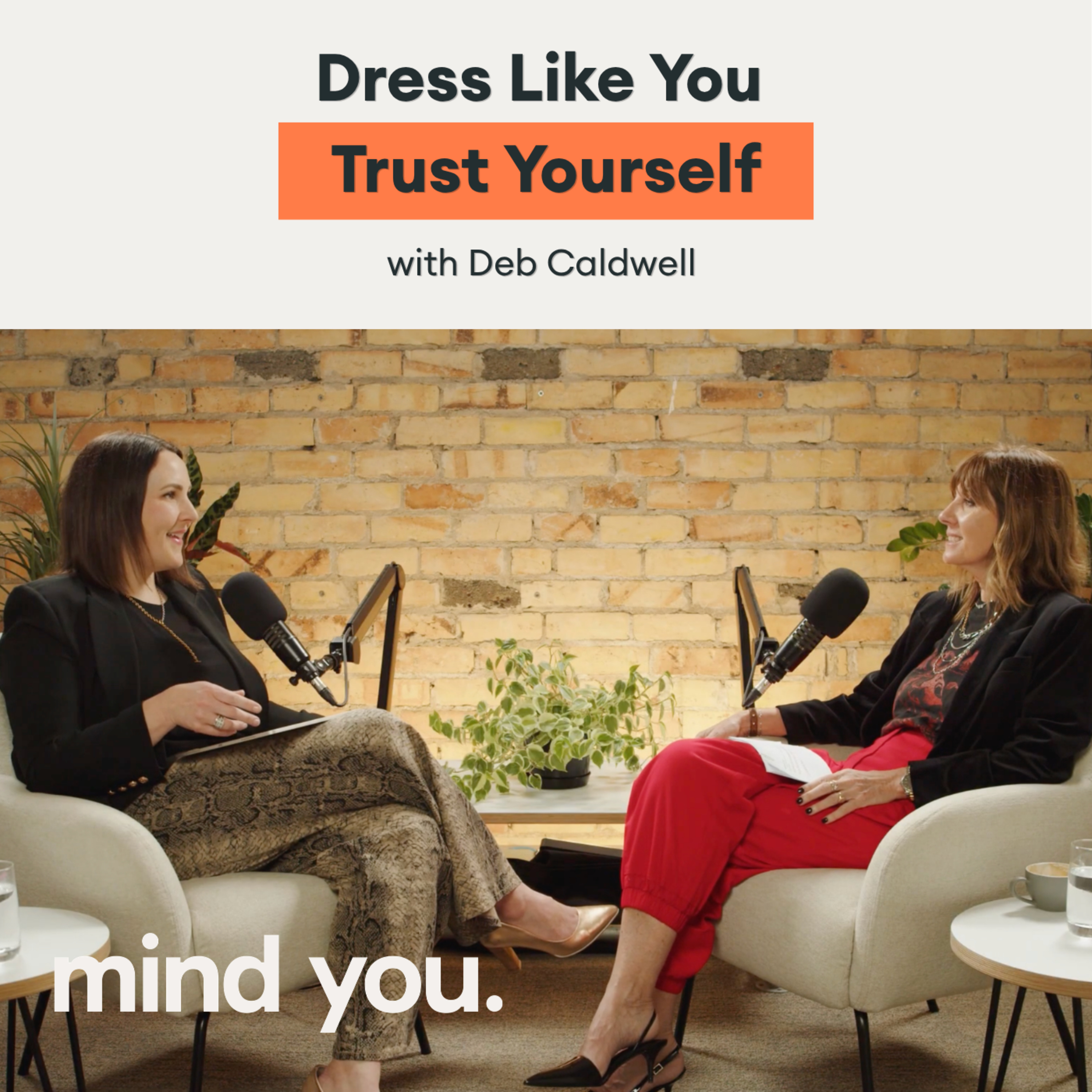 Dress Like You Trust Yourself - with Deb Caldwell 04.10.2026 31mWhat would change if you stopped dressing for other people? Deb Caldwell has built STORM on trusting her gut for 20 years, and I think her approach works just as well for your life as it does for your wardrobe.Deb is the founder and creative director of STORM, and she knows what it means to stay in your lane and trust that your people will find you. We talk about why trying to please everyone means losing what makes you different, why she doesn't believe balance exists, and what she hears women say in fitting rooms every single day. Spoiler: nobody is looking at your arms.We also get practical with your wardrobe. Deb shares her five minute declutter trick (it cleared out 22 blouses), why you should ignore the size on the label, and her number one rule: don't save anything for best.You'll see me wearing STORM on the Mind You podcast, and I love the confidence I get from these sharp, edgy, fun clothes. I hope you enjoy this conversation with Deb.Find STORM at stormonline.comExplore the Mind You app at charlottecummings.nz
-
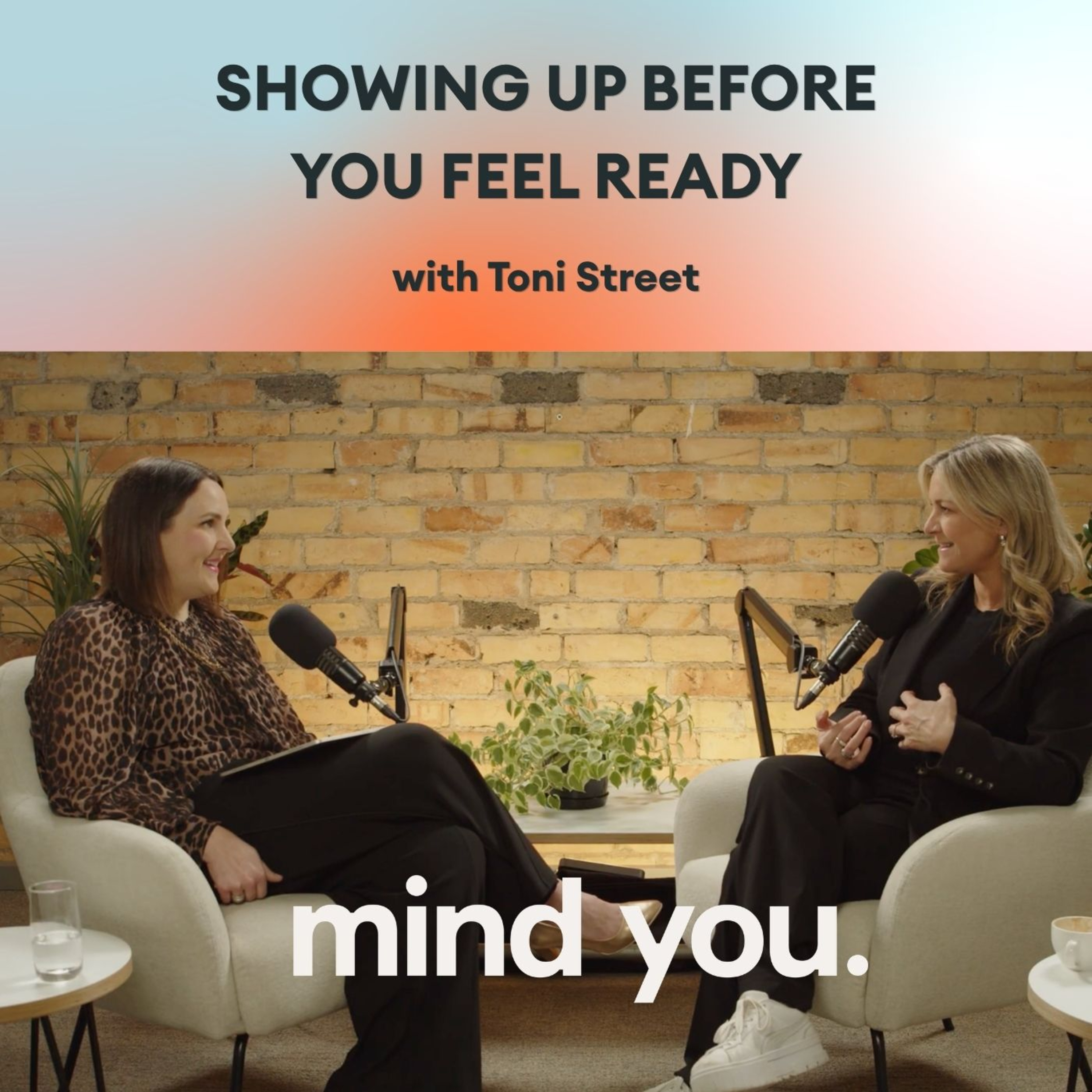 Showing Up Before You Feel Ready - Toni Street 27.09.2026 52mBroadcaster Toni Street on public speaking nerves, confident communication, burnout and starting counselling for the first time in her life.Toni is one of New Zealand's most loved broadcasters. She's been on our screens and radios for 20 years and has hosted New Zealander of the Year for 12. And for a long time, she still broke into a cold sweat every time she had to speak.We talk about how to speak with confidence when every part of you wants to say no. Why people are judging you anyway, so you may as well put your hand up. Why waiting to feel 100% ready keeps capable people stuck while others get the opportunities. How to manufacture your own energy on camera. And why you don't need to be funny, or feel your best, to be worth listening to.Toni also opens up about her mental health. Hosting through an autoimmune condition and high doses of steroids. Losing three siblings. And this year, noticing her joy had gone flat, and seeing a counsellor who told her she was close to burnout. Everything on her plate was good. It was just too much.We get into micro moments of rest, calming an overloaded nervous system, and simple tricks for public speaking anxiety, including why wriggling your toes tells your body you're not being chased by a tiger.If you're a high-functioning woman who keeps saying no because you don't feel ready yet, this one's for you.Find Toni and her Confident Communication course at tonistreet.com or on Instagram @tonimstreet.Want to take this further? My new Mind You app has tools, courses and resources to help you put these ideas into practice. Find it at charlottecummings.nz.
-
 Your Worth Isn't Up For Debate 20.09.2026 34mWhere do you get your sense of worth from? Most of us default to two answers: what we achieve, or what other people think of us. Neither holds up long term.In this episode I talk about non-contingent self-worth, the kind that doesn't move when your circumstances do. I see this come up constantly with clients, in burnout, in people-pleasing, even in addiction and infidelity. It always traces back to the same question: where does my value actually come from?Part of the answer is simple. You have value just for being human. Full stop. It has nothing to do with your achievements or what other people think of you, whatever your circumstances, whatever mistakes you've made, whatever season of life you're in.I get practical too. How to notice fawning. Why perfectionism is a shield, not a strength. How to let people see you unfinished. How to rest without earning it first.Nothing you do can make you more valuable. Nothing you do can make you less. That's the whole point.If this episode helped, I'd love you to follow the podcast, leave a review, or share it with someone who needs to hear it. Come find me at charlottecummings.nz for the Mind You app, courses and resources.
-
 When Your Relationship Has ADHD 13.09.2026 34mI don't think ADHD belongs to one person in a relationship. I think the relationship has ADHD.This week I'm unpacking what happens when ADHD (diagnosed early, diagnosed late, or still unnamed) shows up in a partnership, and why it affects both people, not just the one who has it. I talk about the emotional weight that comes with a late diagnosis, why rejection sensitive dysphoria is so common, and how understanding your unbearable feeling changes everything.I also share the practical stuff. Why I statements can backfire, how body doubling works, using AI to depersonalise decisions, fighting time blindness with routine, and giving yourself permission to outsource without shame.If ADHD is part of your relationship, I hope this gives you language, a bit of relief, and somewhere to start.Want more? Come find the Mind You app at charlottecummings.nzAnd here are the episodes I mentioned: Unbearable Feelings and Relationships https://open.spotify.com/episode/2H5kknVJxfiAwa1WjDXDPo?si=41eb4ed029d74536 and Unbearable Feelings https://open.spotify.com/episode/2vh7ZngihnqTVgO9UiawsD?si=5HvaQz6DRwSKvHuWQJV9Yg
-
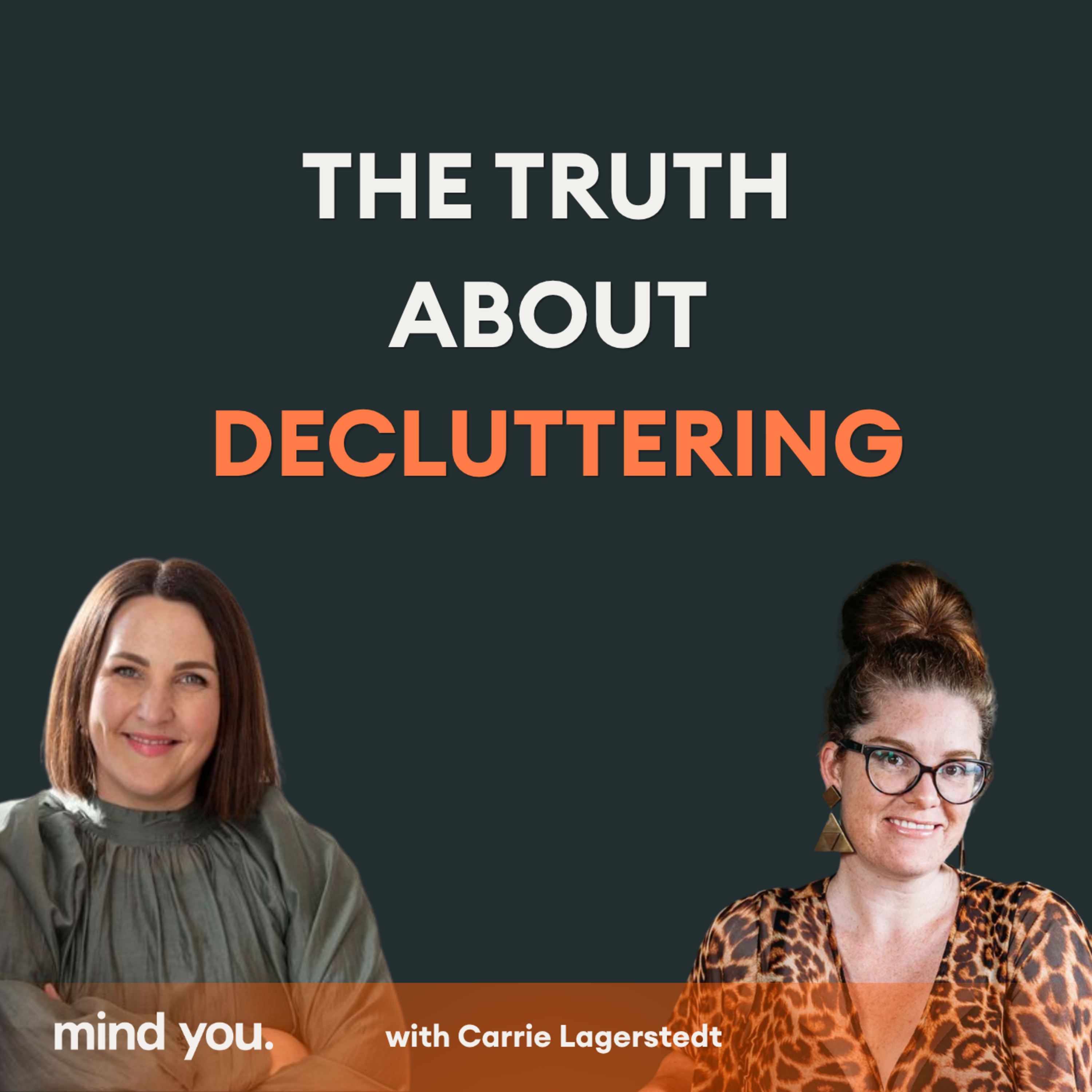 The Truth About Decluttering 06.09.2026 52mI suddenly kept seeing my friends posting photos of their drawers and pantries, tagging The Home Edit and Mel Robbins. So I sat down and listened to the episode that started this decluttering frenzy. I came away furious, and worried for every overloaded woman hearing it - especially, the neurodivergent ones. My guest is Carrie from Curate Home NZ, a professional declutterer and home organiser who specialises in working with neurodivergent households. We both like Mel Robbins. We both like The Home Edit. What we don't like is telling an already overloaded woman that decluttering is simple, and she should just be able to get on and do it.We talk about:- Why the "it's simple, just do it" message misses what actually makes decluttering hard, whether or not you're neurodivergent - What decluttering looks like for a neurodivergent brain specifically, and why executive function makes it a much bigger task than it looks- The broken window effect, and why putting one thing away can feel completely pointless in an overwhelmed house- The shame spiral behind curated home content- Why the gendered mental load means "messy" gets judged completely differently depending on whose name is on the room- Practical, unglamorous advice for getting started without buying a single storage box. If this episode helps you, I would love you to follow Mind You, leave a review, or share it with someone who needs to hear it. Head to charlottecummings.nz for my other tools and resources, and to sign up for my new app, Mind You, the home for all my resources, post-podcast chat, and everything you need to actually care well for yourself.You can also find the lovely Carrie at curatehome.co.nz
-
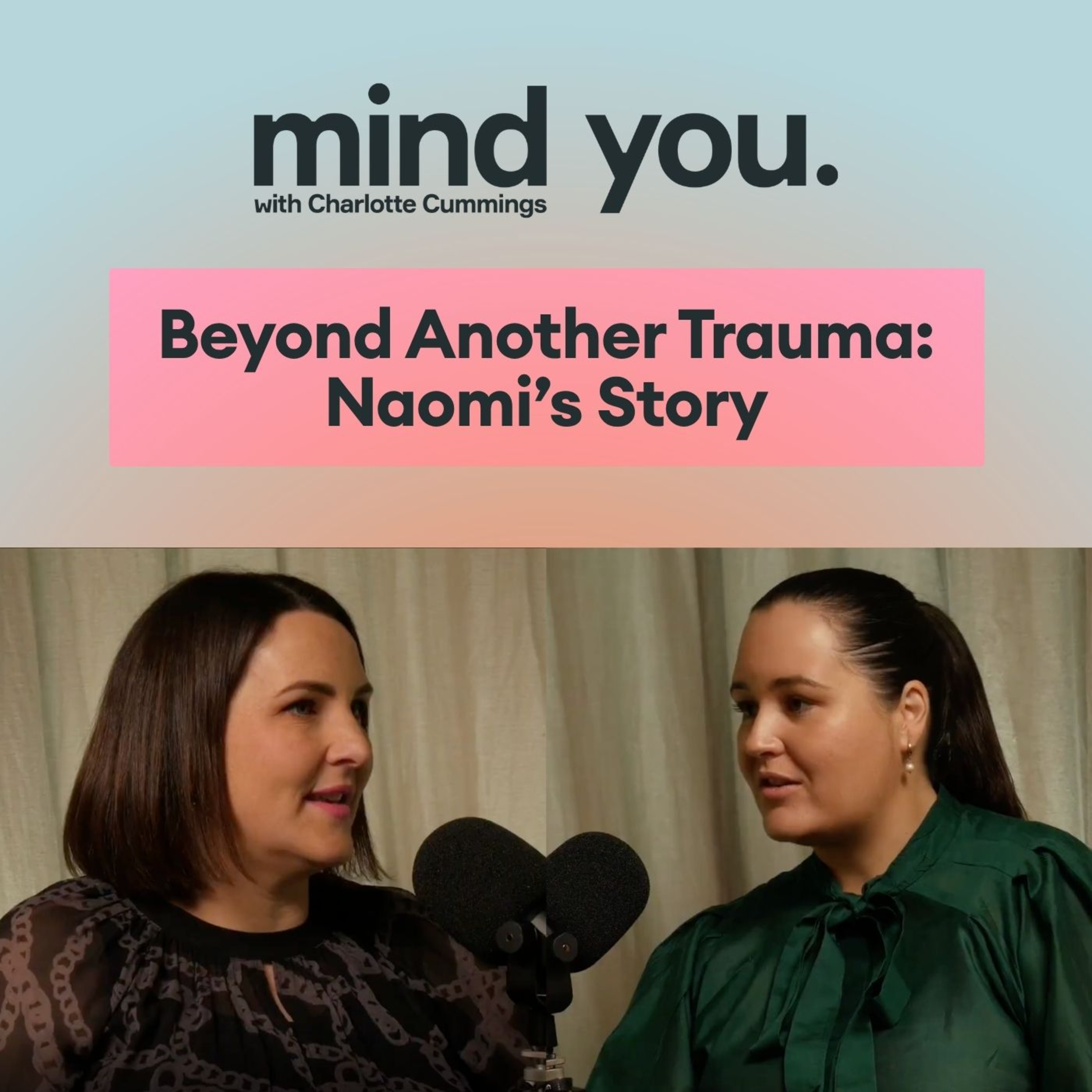 Beyond Another Trauma: Naomi's Story 30.08.2026 42mWhat if the hardest thing that's ever happened to you didn't have to be another trauma?In this episode I'm joined by one of my own clients, Naomi, who shares her deeply personal story of discovering she carries the BRCA1 gene mutation - testing she undertook in her 40s, in light of her Mum sadly passing away with cancer at age 47. We talk about her decision to undergo preventative surgery, learning to disappoint people without guilt, navigating years of secondary infertility, and finding an unexpected sense of empowerment through one of the hardest seasons of her life.Naomi opens up about faith, family, building a support team, and the small shifts in perspective that changed how she moved through fear, including the moment that reframed everything for her: what if this isn't just another traumatic experience, but a life changing and positive one?If you've ever faced a health crisis, a hard diagnosis, or a season that felt like it was taking more than it was giving, this conversation will stay with you.For tools, courses and resources, and to check out my brand new app to support your wellbeing - head to charlottecummings.nz.
-
 The Therapy Concept I've Never Shared 23.08.2026 25mThere's a concept I use with many of my clients, and I've never actually spoken about it on this podcast until now. It's called preferred futures, a concept from narrative therapy.It's about getting clear on two things: where your life is actually headed if nothing changes, and where it could go if you make the changes you've been thinking about. In this episode I walk through exactly how I use this with clients, including:getting honest about where you're headed if nothing changes how this clarity can help you how to build a clear picture of the future you actually wantthe stories you're telling yourself that might be holding you back from itwhat you need to truly believe, not just repeat, for that future to feel possibleThis one applies wherever you're at right now: relationships, work, health, or just the general shape of your life.If today's conversation gave you something to think about my brand new Mind You app takes these ideas further with tools, courses and support you can come back to whenever you need. You can find out more at charlottecummings.nzIf you found this helpful, please do follow the podcast, leave a review, or send it to someone who needs to hear it.
-
Communicate Confidently At Work 16.08.2026 23mDo you ever know exactly what you want to say at work - but find yourself second-guessing it, softening it, or waiting for the “right” moment to speak?Communicating confidently at work isn't just about having a strong voice or being the loudest person in the room. It's about knowing your value, understanding what gets in the way of speaking up, and learning to contribute without constantly questioning yourself.In this episode of Mind You, I explore the patterns that can make workplace communication harder than it needs to be - particularly for women. She looks at the social expectations that shape how women are perceived, the “unbearable feelings” that can sit underneath our reluctance to speak up, and the subtle ways we can minimise our own ideas before we've even given them a chance.You'll learn how to:recognise the patterns that hold you back in meetings and conversationsstop using language that unintentionally minimises what you have to sayreframe communication as making a contribution, rather than winning an argumentget clearer about what you want from your careerthink about how you want to be perceived - and how you want people to feel around youback yourself and communicate from the value you bringBecause confident communication isn't about becoming someone louder or more forceful.It's about being willing to take up your space and trust that what you have to say matters.
-
 Stanley Henry: Don't Limp In 09.08.2026 1h 8mFor many of us, we have to tolerate more attention than we'd naturally like, and it's scary as heck. Our jobs require it. Our goals require it. And the freedom we actually want is sitting on the other side of learning to cope with being seen. Stanley Henry from Attn Seeker joins me to unpack the psychology of visibility, personal branding, and why attention might be one of the last assets you can still build from nothing. He also shares what it takes to do relationships well when you're a high-functioning person juggling a business, a brand, and a full life - proof that success and a strong relationship aren't mutually exclusive, they just take real intention.In this episode, Stanley shares:Why no one cares about you nearly as much as you think, and why that's freeing rather than harshWhy your harshest critics are always your friends and family first, not strangers onlineWhy chasing "authenticity" online is the wrong goal, and what actually builds trust and connection insteadHow he and his wife use AI to manage their calendar, finances, and household so the mental load doesn't fall on one personHow to build a relationship that can keep up with an ambitious lifeThe sliding door moment that changed the direction of his whole lifeWhy he believes you can't half-commit your way to a big outcome - you have to give it a full goWhether you're building a personal brand, growing a business, navigating relationship dynamics, or just curious how AI can genuinely support communication at home, this conversation with Stanley Henry gives you a practical, honest look at what it takes to be seen. You can find Stanley (if he and his team haven't already found you!) at attnseeker.com and @stanleychenry or @theattnseeker
-
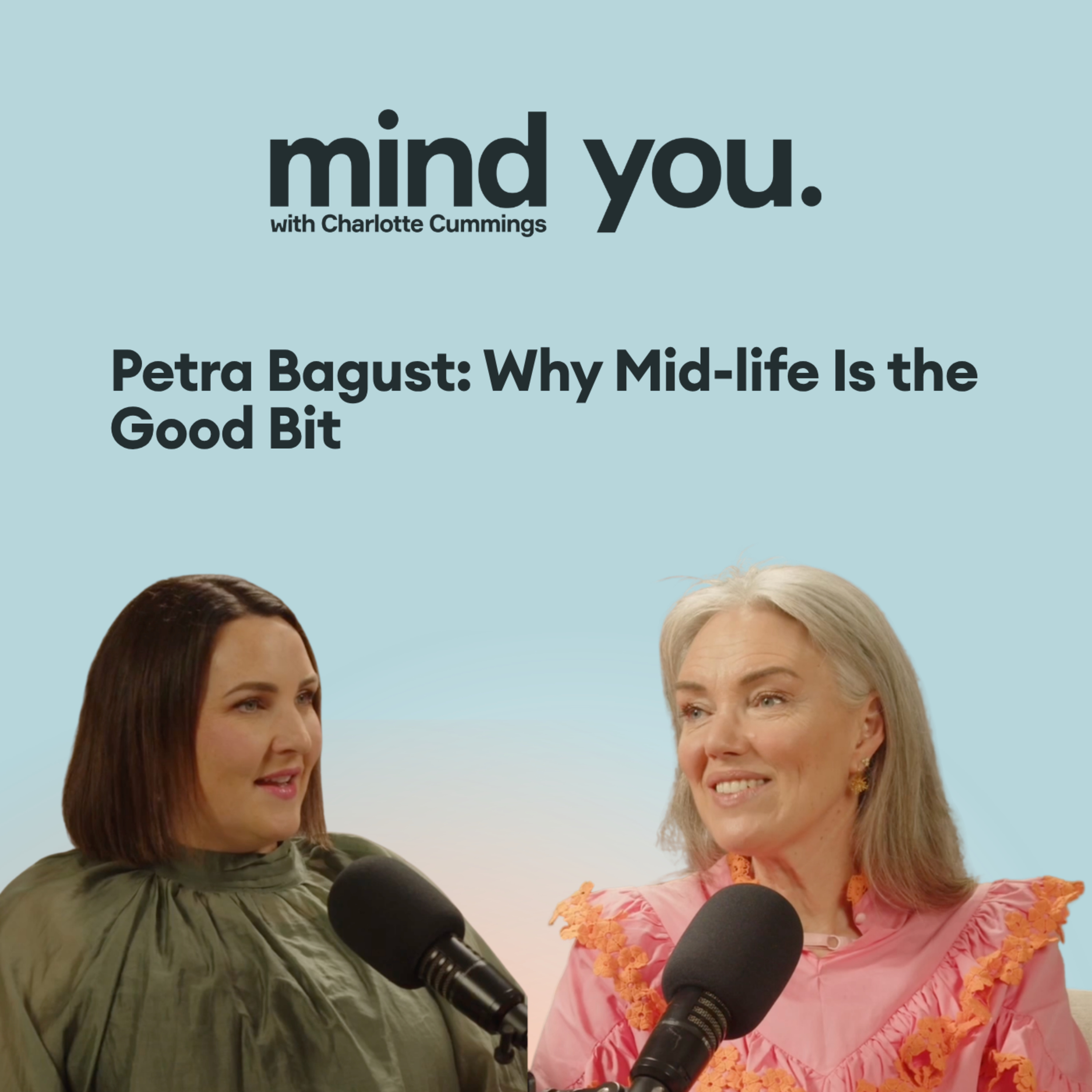 Petra Bagust: Why Mid-life Is The Good Bit 02.08.2026 1h 12mI sat down with Petra Bagust - honestly, she is the best ad for midlife. Through this chat, Petra gives us all the wonderful reasons why midlife is the good bit.We talk about her ADHD diagnosis, which came after her son's, and the months she spent grieving every theory she'd built to explain herself before that. We get into what actually shifts once you understand your own brain, the difference between legitimising yourself and needing someone else's permission, and the "manic and panic" cycle that used to run her days.Then there's menopause, without any of the doom and gloom. Petra's having more fun getting dressed in her mid-50s than ever before, and she tells me why. We talk about the ten years it took her to build what she calls a portfolio career after leaving breakfast TV, and the Esther Perel line that changed how she sees her 26-year marriage: most of us have three or four marriages in us, we just choose to have them with the same person.If you've ever wondered whether you need a formal diagnosis to change how you treat yourself, or you just want someone further down the path telling you you've got great things coming, this one's for you.In this episode:Petra's ADHD diagnosis and why she doubted it at firstThe "manic and panic" cycle and how she interrupts it nowMenopause, self-compassion and the male gaze disappearingReinventing herself after TV, and building a portfolio careerWhy marriages change shape and what to do about it
-
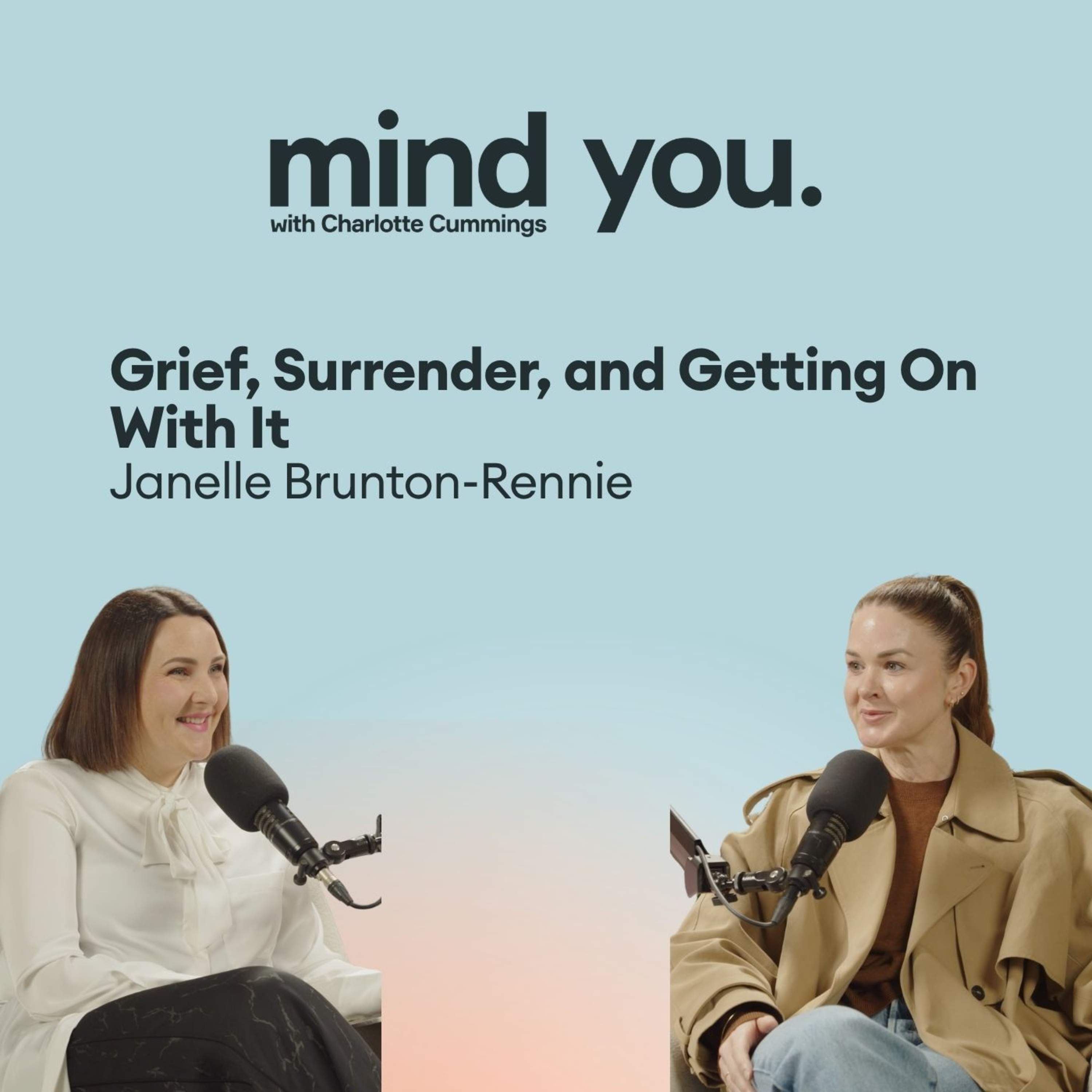 Grief, Surrender and Getting On With It, with Janelle Brunton-Rennie 26.07.2026 1h 1mJanelle Brunton-Rennie became a widow within a year of her husband Kurt first finding a lump. She had a newborn baby at home, and no warning that losing her spouse to cancer was about to unravel her whole life. New Zealanders who've followed Janelle's story over the years will know pieces of this. In this episode, she courageously takes us back to all of it, and beyond.The hospital corridor where a doctor asked if her husband had a will. The anger that nobody tells you is part of grief, and the gym sessions that became her only outlet for it. The small rituals, sunrise, espresso, stillness, that carried her through years one and two of grief when nothing else could.We also talk about what came after. Rebuilding trust in yourself when you've had zero control over the worst thing that's ever happened to you. Making peace with a worst case scenario before you know the outcome. And what it actually takes to let love back in without losing who you became through grief and loss.This one is gut wrenching in places, and takes some genuinely unexpected turns into faith and spirituality.In this episode:Janelle's story of becoming a widow and losing her spouse to cancerThe anger stage of grief nobody prepares you forThe daily rituals that rebuilt her sense of self after lossRebuilding self trust after losing control of everythingFaith, surrender and what "making peace" actually meansLetting love in again after grief
-
 She Kept Going Until She Couldn't 21.06.2026 46mAmy Luttrell lost her Dad suddenly at 32, with a newborn at home and a thriving wellness business to run. Eleven months later, her Stepfather died and her Mum nearly did too. She kept functioning. She kept showing up. And then her body said enough.In this episode, Amy gets completely honest about what it looks like when a high-achieving woman hits actual rock bottom - the shame of feeling broken while being the person others come to for wellness, the marriage hanging on, and the moment when she thought life would be easier if she wasn't around.She also talks about what brought her back, what she had to let go of, and why slowing down completely is what sped everything up.Content note: thoughts of life ending are discussed openly in this episode. Please listen with attentiveness to where you are at, and what is helpful to you. Find Amy at amyluttrell.com or on Instagram @amyluttrell_coaching.
-
 When Church Hurts: Spiritual Abuse Explained 14.06.2026 37mSpiritual abuse is one of the most misunderstood forms of harm there is. And it might be exactly what you've been trying to name.In this episode, I'm getting into a topic I know many of you have been waiting for. After my episode on "when faith gets messy" became one of my most downloaded ever, I knew we needed to go deeper. So today we're talking about spiritual abuse: what it actually is, what it looks and feels like from the inside, and what healing can look like on the other side.This is a topic I come at from multiple angles. I'm currently completing my PhD in sociology, researching the experiences of women who have left Gloriavale, a high-control fundamentalist Christian community in New Zealand. I'm also a licensed Private Investigator who works on cases of institutional harm, and a therapist who has seen many clients navigating this kind of trauma. So when I say I get this issue from a lot of different angles, I mean it.In this episode we cover:What spiritual abuse actually is and why it's so hard to name in the momentHow power, scripture, and religious authority get used to control and harmThe difference between a healthy faith community and a high-control oneThe lasting impact on your mental health, your sense of self, and your ability to trust your own thoughtsWhat healing actually looks like, including rebuilding agency, reconnecting with your own voice, and giving yourself permission to step awayGreen flags to look for if you're navigating faith communities going forwardIf you've ever walked away from a religious group feeling like something wasn't right, or if you've spent years wondering whether what happened to you was "bad enough" to matter, this episode is for you.You don't have to have all the words for it yet. Sometimes just hearing it named is the first step.Find more support and resources at charlottecummings.nz
-
 Have Fun Together Again 07.06.2026 17mIs your relationship feeling a little flat? Like you used to laugh more, go on proper dates, and actually enjoy each other's company, but somewhere along the way life just got in the way?In this episode of Ask Charlotte, I'm answering a listener question that I hear all the time: how do we have more fun in our relationship?I cover:Why fun doesn't just happen and what to do about itHow to figure out what you both actually enjoy (and why one person's preferences might be quietly dominating)The alphabet dating idea my husband and I used early on (and why I think we need to revisit it)Why scheduling fun is not the enemy of spontaneityThe "micro fun" moments that build connection without needing a whole night outWhat to do when conflict, stress, or a packed schedule is the real barrierI also share some of what the Gottman Institute's research says about the ratio of positive to negative interactions in happy relationships, because it's a game changer for how you think about the small stuff.If you've been meaning to prioritise your relationship but keep letting it slip, this episode is your nudge.Send me your questions anytime at charlottecummings.nz, and if this episode resonated, please subscribe, leave a review, and share it with someone who needs it.
-
 Parenting When You're Over It - With Zazi 31.05.2026 53mSome days you just hit the wall. The noise, the need, the relentlessness of it. You love your kids and you are completely done. This episode is for you. I'm joined by Zazi, a speech and language therapist, child development expert, MMA fighter, and mum who gets it. Zazi has built a community of parents who are done pretending they've got it all together, and she brings the kind of practical, no-guilt wisdom that actually helps. We go deep on why overwhelm isn't a character flaw. It's a nervous system response. Why your child melting down after school isn't bad behaviour. Why so many women are reaching their 30s and 40s and finally understanding their own brains for the first time. And what you can actually do when you're at the end of yourself and your child still needs you.We cover:The 8 senses and why the three you've never heard of are driving your overwhelm and your child's meltdownsInteroception, proprioception, and the vestibular system explained simply and why they matter more than emotions for nervous system regulationPostpartum rage, sensory overload, and the mental health struggles that don't look like depression or anxietyADHD in women, why it gets missed, what diagnosis can offer, and what you don't need a diagnosis to give yourselfNeurodivergent parenting strategies that work whether or not anyone has a formal labelWhy your child isn't being naughty. Every behaviour is communication, including the meltdown at the checkoutScreen time, sensory regulation, and what to actually replace screens withThe "blame your systems, not yourself" reframe that will stay with youWhat to do in the moments when you're completely over it and your child still needs youThis one is for you if:You find yourself ragey more than sadYou're touched out, noise-sensitive, and visually overwhelmed by the state of your houseYou've wondered whether you might be neurodivergent and you're not sure what to do with thatYou're holding it together on the outside and quietly burning on the insideYou just need someone to say: this is hard, you're not failing, and here's something that might actually help"Every behaviour is communication.""Blame your systems, not yourself.""You've got this, even when you quite clearly haven't."Find Zazi:🌐 zazi.co.nz📱 @zaziplays on Instagram🎙️ You've Got This podcastFind me:🌐 charlottecummings.nzIf this felt like it was for you, share it with the Mum who needs it today. And subscribe so you don't miss what's next
-
Feeling Off? Here's What To Do Next 24.05.2026 10mDo you feel off but can't explain why? Flat, disengaged, not quite yourself but you don't know where to start?In this episode of Ask Charlotte, I'm responding to a listener who's feeling flat and disconnected, and walking you through exactly where to begin when something just doesn't feel right.I break down a practical, no-fluff framework for understanding why you feel off and what to actually do about it.In this episode I cover:Why feeling flat and disengaged is information, not a flawHow to check your physical wellbeing first (sleep, nutrition, movement, blood work)The role of unresolved decisions and avoided conversationsHow misalignment with your values quietly drains your energySaying yes when you mean no, and the toll it takesWhat "too much on your plate" really looks like How to read and reset your nervous systemMaking a practical plan to find your spark againWhether you're burnt out, emotionally exhausted, going through a life transition, or just can't put your finger on what's wrong, this episode is for you.Send me your question: charlottecummings.nzIf this episode helped you, I'd love you to subscribe, leave a review, and share it with someone who needs it.
-
 Close Your Confidence Gap 17.05.2026 21mDo you look capable on the outside but feel held back by self-doubt on the inside? You're not alone, and you're not failing. You might just be living with a confidence gap.In this episode, I'm digging into one of the most common and costly patterns I see in high-functioning women: being far more capable than you believe yourself to be. Research shows women tend to underrate their competence, wait until they feel 120% ready before going for opportunities, and carry a five-year lag in their professional self-concept. The result? Missed promotions, missed pay, and a life lived smaller than it needs to be.But confidence isn't a personality trait you either have or you don't. It's a behaviour, and it can be built.I'm sharing my most practical, honest advice for closing the confidence gap, including:Why your self-concept is behind your actual capabilities and how to update itThe power of acting ahead of your identity (and the Mel Robbins technique that makes it easier)How what you wear can genuinely shift how you show upThe language patterns that quietly undermine your authority and what to say insteadHow to use evidence, not feelings, to build a more accurate picture of who you arePractical tools for interrupting overthinking and moving towards actionHow to channel a confident role model and up-regulate your mood before high-stakes momentsWhether you're navigating career decisions, relationship pressures, or simply tired of holding yourself back, this episode will help you carry things differently.
Similar podcasts


Popular in
The podcast also appears in the podcast charts of these countries.
