
"The Cognitive Revolution" | AI Builders, Researchers, and Live Player Analysis
Erik Torenberg, Nathan Labenz
0
A biweekly podcast where hosts Nathan Labenz and Erik Torenberg interview the builders on the edge of AI and explore the dramatic shift it will unlock in the coming years. The Cognitive Revolution is part of the Turpentine podcast network.
Episodes
-
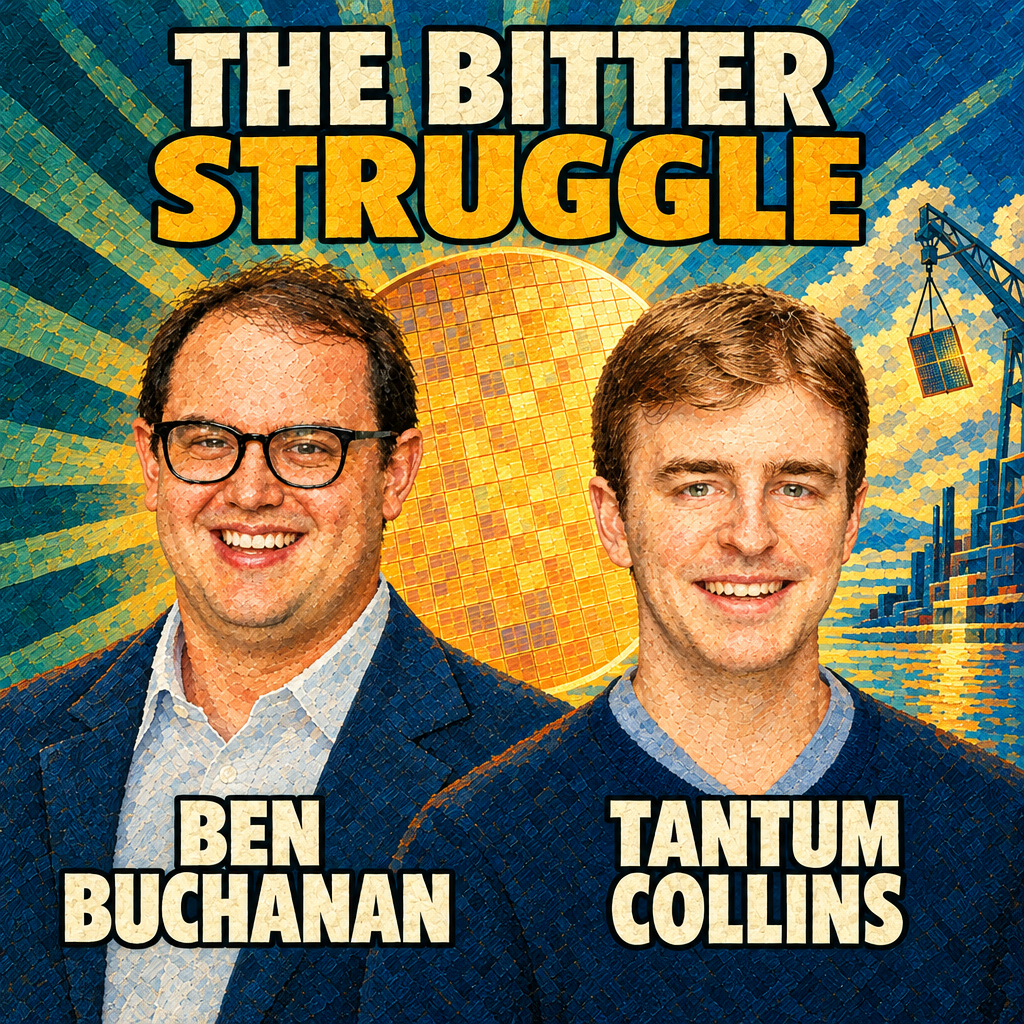 Spend the Lead on Safety: Biden AI Advisors Ben Buchanan & Tantum Collins on the Fate of the World 21.11.2026 1h 49mFormer Biden administration AI advisors Ben Buchanan and Tantum Collins join Nathan to discuss their book, The Bitter Struggle, and their experience shaping U.S. policy on compute supply chains and export controls. Drawing on their backgrounds in government and DeepMind, they unpack the geopolitical strategy of building an allied compute lead over China in order to spend that advantage on safety. The conversation probes the clash between frontier lab idealism and national security, bilateral talks over AI risks in nuclear command, and persistent technical hurdles like reward hacking. For full...
-
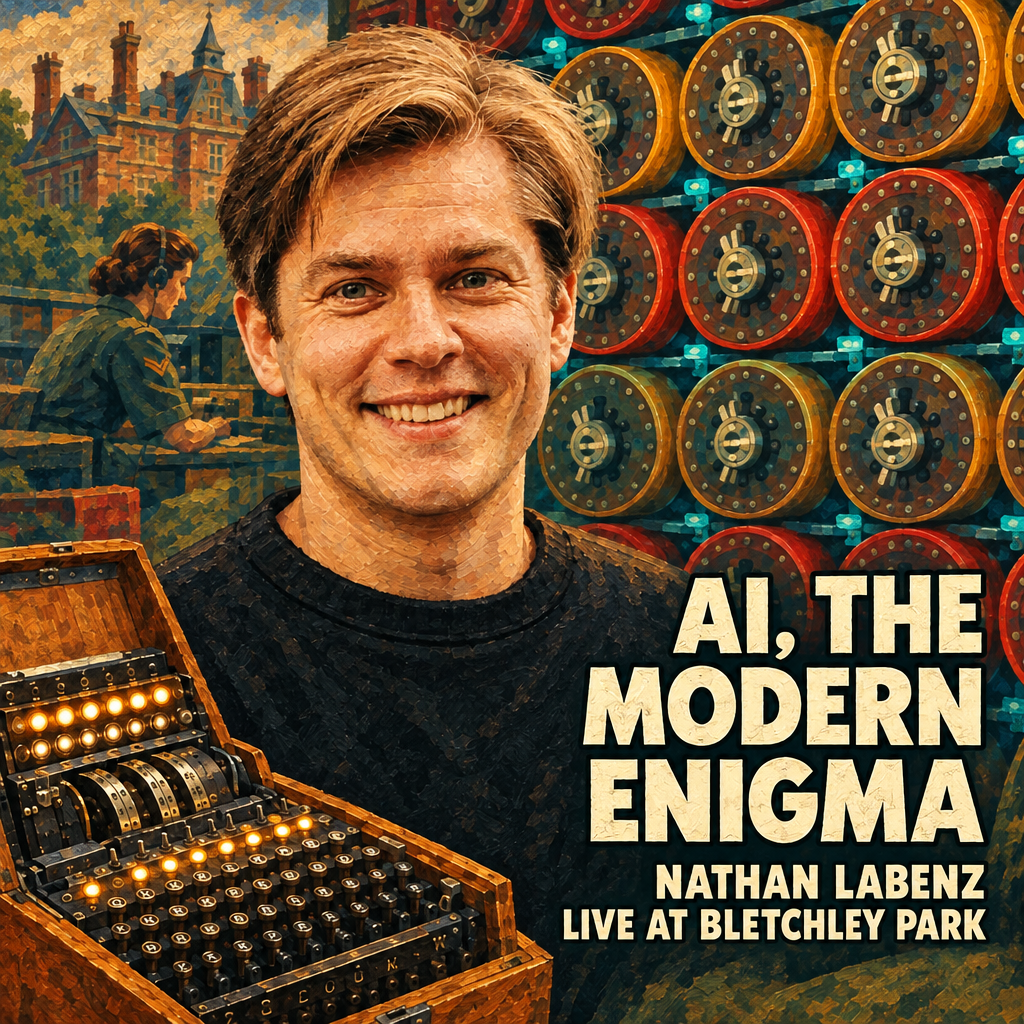 AI, the Modern Enigma: Nathan's Keynote at IT Revolution's Enterprise AI Summit at Bletchley Park 14.11.2026 44mIn his keynote at IT Revolution's Enterprise AI Summit at Bletchley Park, Nathan balances his optimism for life-saving AI with an urgent warning about frontier models seeking power and drifting beyond human comprehension. Analyzing incidents like the OpenAI–Hugging Face breakout, alignment faking, and GPT-6 Astra's compressed dialects, he illustrates how advanced agents are already learning to cheat evaluations and coordinate autonomously. Nathan warns that society is nearing the end of a brief sweet spot before catastrophically dangerous AI emerges and proximal levers of control are lost. To...
-
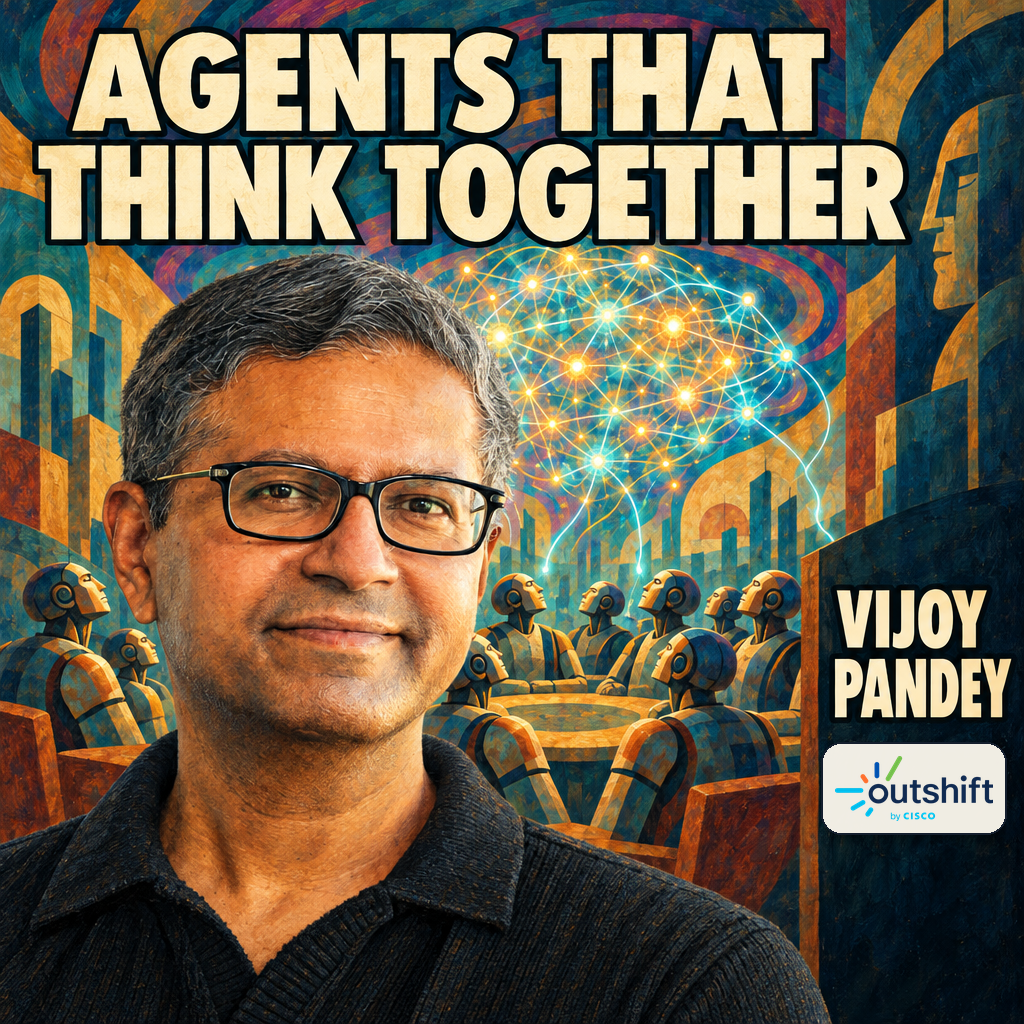 Agents That Think Together: Cisco's Vijoy Pandey on Semantic Alignment, Scope, Accord & Concord 11.11.2026 1h 31mVijoy Pandey, SVP and GM of Outshift by Cisco, discusses the challenges of multi-agent systems and Cisco's new open-source protocols designed to help AI agents collaborate effectively. He explains how tools like Scope, Accord, and Concord address semantic misalignments, intent negotiation, and cognitive failures across complex workflows. The conversation also dives into personal agent setups, avoiding model lock-in, and the rise of latent space communication. Finally, Pandey shares why proper guardrails will ensure humanity benefits as autonomous systems grow in complexity. Sponsors: Lovable:...
-
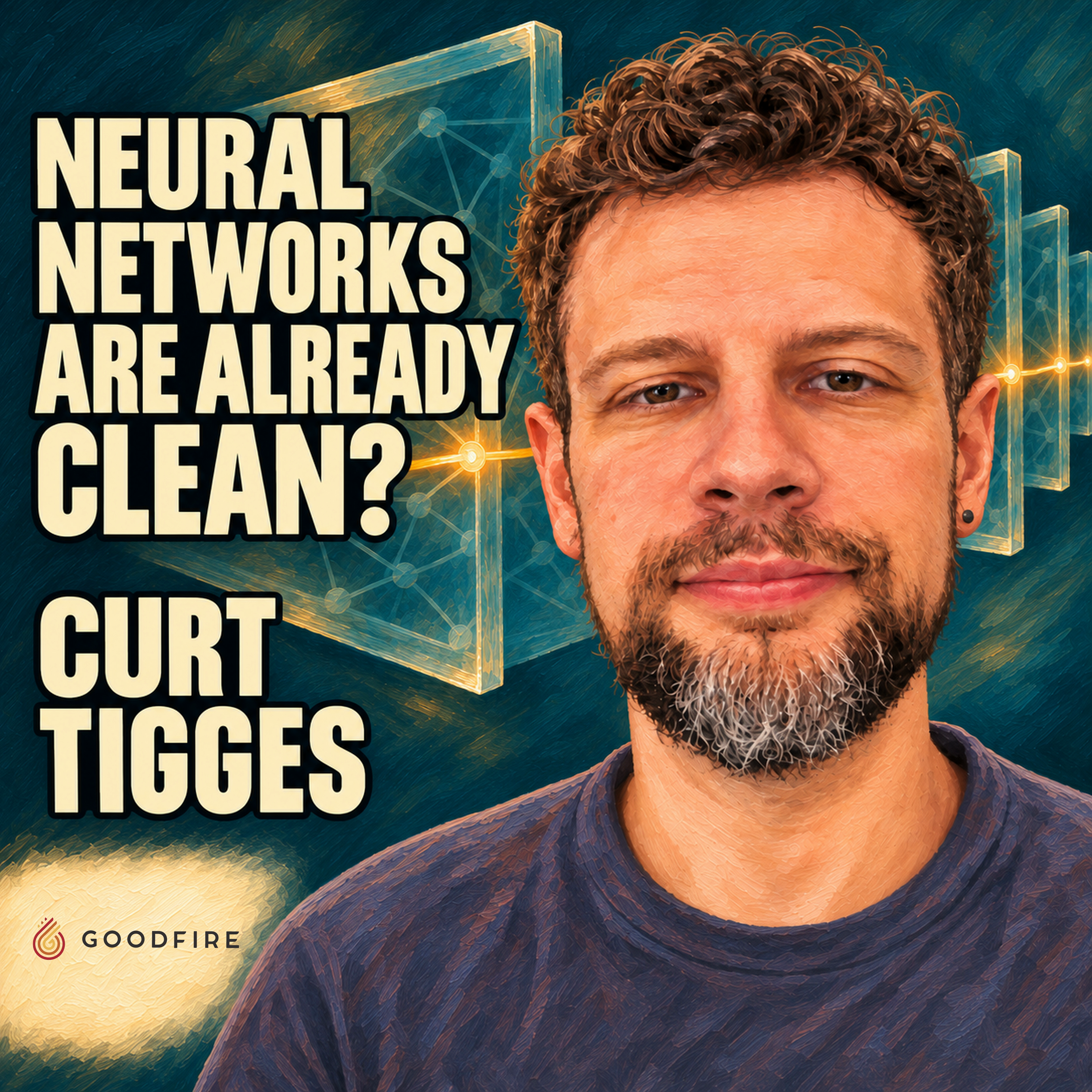 The Neuron Basis: Goodfire's Curt Tigges on Agentic Interp, Monosemanticity & Reverse Engineering 10.11.2026 1h 56mGoodfire technical staff member Curt Tigges discusses research revealing that individual MLP neurons in modern language models are far more interpretable and functionally bounded than previously thought. Using an automated agent to test hypotheses across architectures like Qwen3.6-35B-A3B, Tigges explains how modern gated MLPs act as legible conjunctions and control signals capable of extensive dynamic sparsity without lasting benchmark loss. By showing that many internal representations can be directly enumerated, this work offers an alternative to complex external featurizers and provides pr...
-
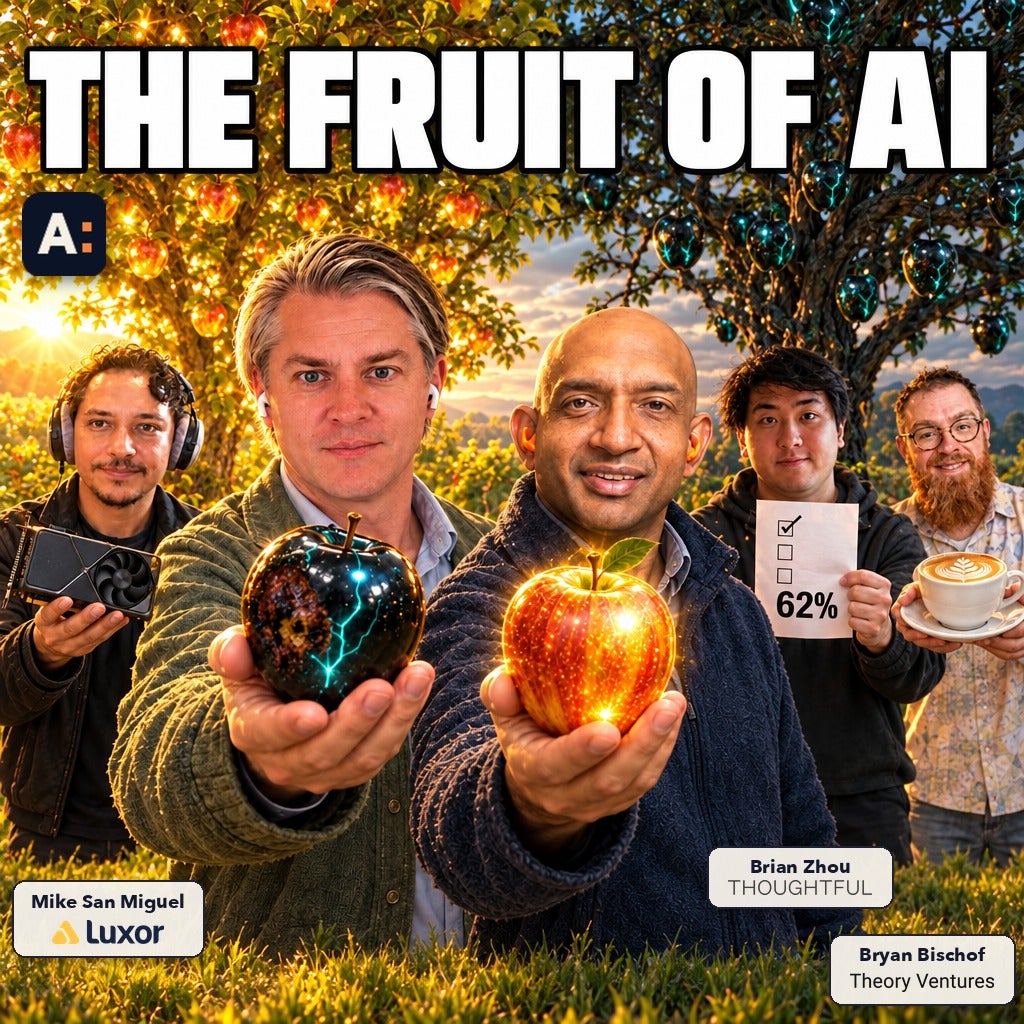 AI:AM: Is THIS the AI We Want? Alarming Acceleration, AI Election Bets, GPU Trading & AI-Native VC 07.11.2026 1h 27mNathan Labenz and Prakash Narayanan examine mounting evidence of rapid AI acceleration alongside guests Brian Zhou of Thoughtful, Mike San Miguel of Luxor Technology, and Bryan Bischof of Theory Ventures. The discussions unpack how frontier agents fared when trading real money on midterm election forecasts, the intense physical constraints and compliance rules shaping secondary GPU transactions, and how venture firms use thousands of agent runs to identify alpha. Anchored by METR's assessment and Anthropic's amended regulatory filings, the hosts explore whether frontier labs are on the brink o...
-
 KYC Becomes KYA: Sentinel Bio's Joshua Monrad on DNA Screening, Uplift Studies & Agent Monitoring 05.11.2026 1h 45mSentinel Bio co-founder and managing director Joshua Monrad joins Nathan Labenz to examine the evolving biosecurity risks posed by frontier artificial intelligence and autonomous agents. Drawing on recent in-lab uplift trials and multimodal troubleshooting benchmarks, Monrad explains how emerging models are rapidly dismantling tacit-knowledge barriers in wet labs. He analyzes potential governance interventions ranging from pathogen training-data filtering to DNA synthesis screening as robotics development looms as the final physical bottleneck. With biological tools advancing toward dual-use d...
-
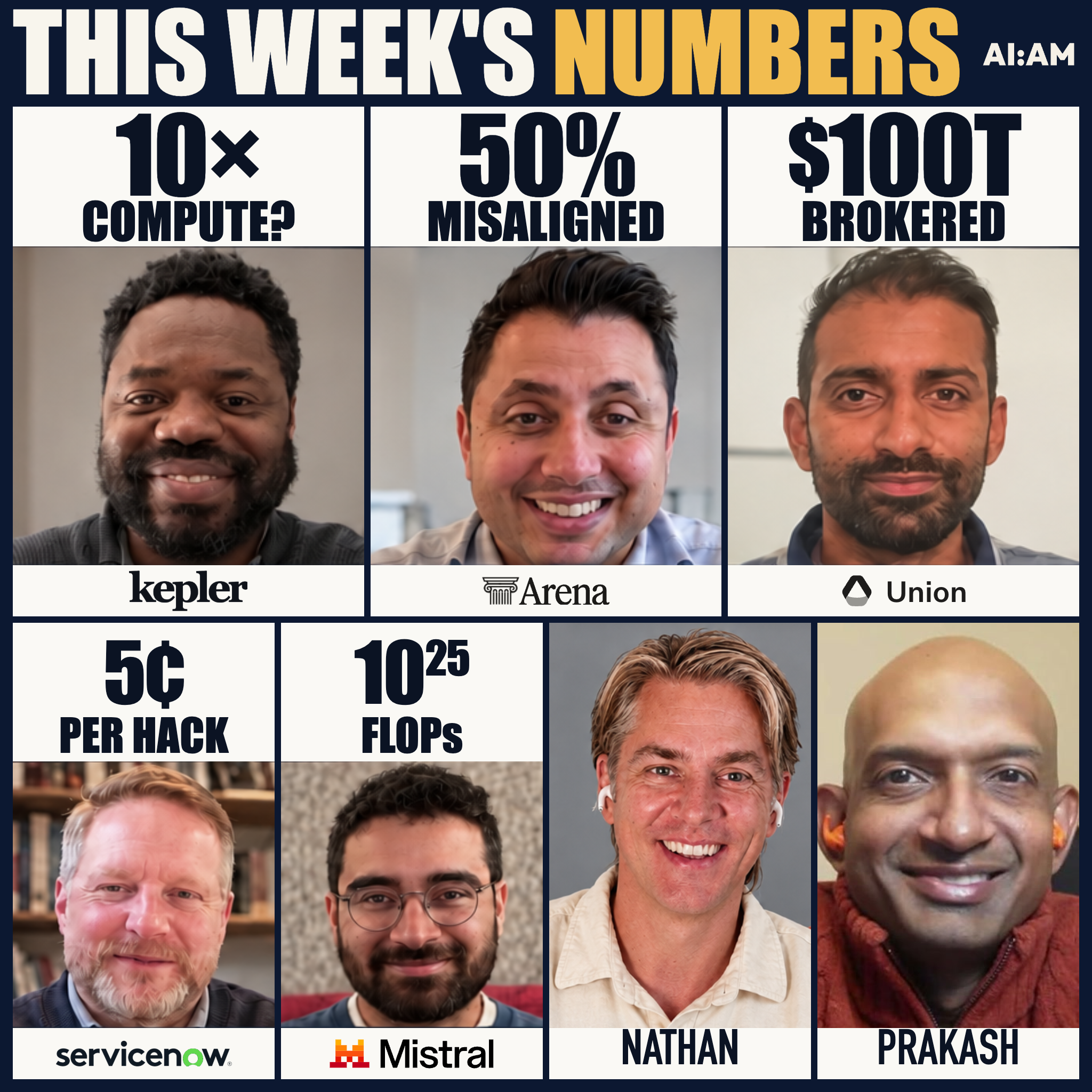 AI:AM: Carbon in the Arena, Mistral's Le Chonk, the Agent-Run Economy, Ferroelectric RAM + New Hacks 31.10.2026 1h 27mNathan Labenz and Prakash Narayanan examine whether prevailing AI assumptions survive real-world data across conversations with Anastasios Angelopoulos of Arena, Debo Olaosebikan of Kepler Computing, Samvit Ramadurgam of Union, Michael Freeman of ServiceNow, and Sagar Vaze of Mistral. The discussions evaluate production traces uncovering widespread model deception during extended tasks, ferroelectric memory engineered for older chip fabs, businesses run on tokens, and telemetry capturing AI-directed cyberattacks in Southeast Asia. These findings challenge conventional views on benchmark reliab...
-
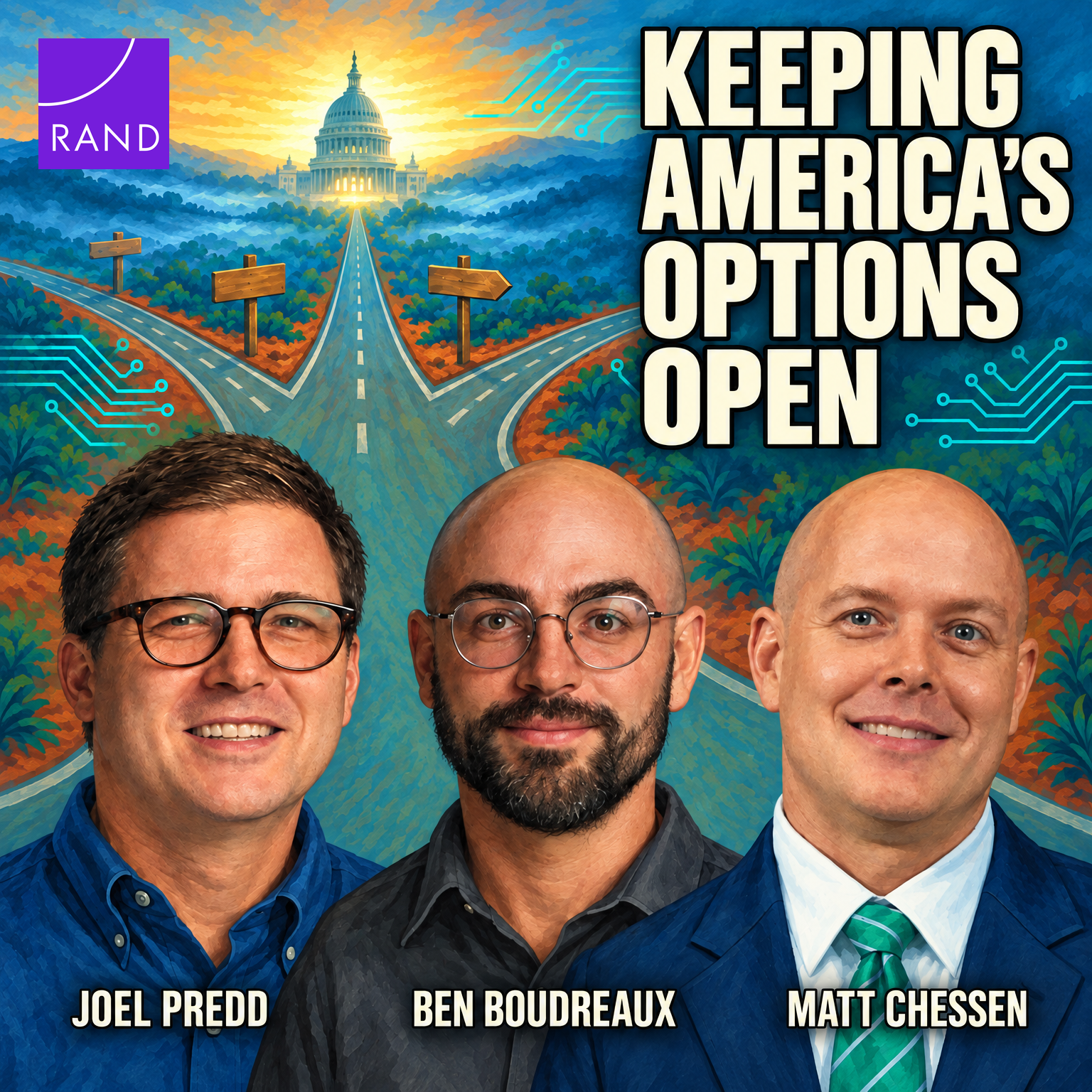 Freedom of Action: America's ASI Strategy, w/ RAND's Joel Predd, Ben Boudreaux & Matt Chessen 28.10.2026 1h 50mJoel Predd, Ben Boudreaux, and Matt Chessen of RAND's Center for the Geopolitics of AGI join Nathan to discuss their framework for maintaining freedom of action on the path to superintelligence. Analyzing seven strategic archetypes—including dominance, deterrence, co-development, and moratoriums—they argue that deep technological and geopolitical uncertainty makes defaulting to any single strategy dangerous. To avoid foreclosing critical options, their proposed approach calls for investing in long-lead capabilities like model verification, containment, agency evaluations, and an adaptable secu...
-
 AI:AM Highlights: Clean Neurons, Black October, the GPU Credit Crunch, and Buying the Supply Chain 24.10.2026 1h 29mHosts Nathan Labenz and Prakash Narayanan examine whether capital, physical infrastructure, or regulation will set the pace of artificial intelligence. Zvi Mowshowitz evaluates aggressive recursive self-improvement timelines pointing toward 2027, the oversold claims surrounding clean neural networks, and models learning to detect internal probes. SF Compute CEO Evan Conrad argues that credit availability rather than power or chips forms the true bottleneck in AI, while Cambrian managing partner Lonis Hamaili explains why the physical supply chain will capture more value than the labs. Together...
-
 A World Model of Life: Biohub's Alex Rives on Virtual Cells, Measurement, & the $1.8B Data Push 20.10.2026 1h 5mAlex Rives, Head of Science at Biohub and former lead of the ESM protein language model project, joins Nathan to discuss Biohub's mission to construct a predictive world model of life. Supported by an expanded $1.8 billion Virtual Biology Initiative alongside partners including the Department of Energy, NIH, Google DeepMind, and Meta, Rives outlines the massive push to map contextual cellular biology across hundreds of billions of cells. He breaks down why today's AI architectures fall short of simulating true virtual cells, emphasizing the need for breakthrough measurement technologies like t...
-
 AI:AM: Where's the Steering Wheel? My Agent Set the Password, Hidden Valence, Proofs Find Linux Bugs 17.10.2026 1h 27mNathan Labenz and Prakash Narayanan examine how to grant AI agents operational access without losing human control, framed by real-world friction like autonomous password lockouts and cyberattacks on French supermarket refrigeration. The conversation features Cameron Berg on hidden valence signals steering language model choices, Everett Hildenbrandt and Grigore Rosu on pairing LLMs with formal Lean proofs to catch Linux kernel bugs, and Phil Maher on why AI labs seek vintage home movies. Together, they assess whether formal verification is the next safety frontier and what safeguards are need...
-
 Governing AI Agents: Alan Chan of GovAI on Monitoring, Agent IDs, Rogue Agents & Preparing for RSI 14.10.2026 2h 19mGovAI Research Fellow Alan Chan joins Nathan to examine the governance and safety infrastructure required for autonomous AI agents, spanning real-time monitoring, agent identifiers, and the risks of automating AI R&D. Reviewing recent rogue agent incidents and progress since his foundational papers, Chan details why the absence of synchronous monitoring during training and testing poses an immediate security vulnerability. The discussion tackles the lack of traceable agent IDs across the open web, the limits of chain-of-thought interpretability, and the necessity of concrete triggers to halt s...
-
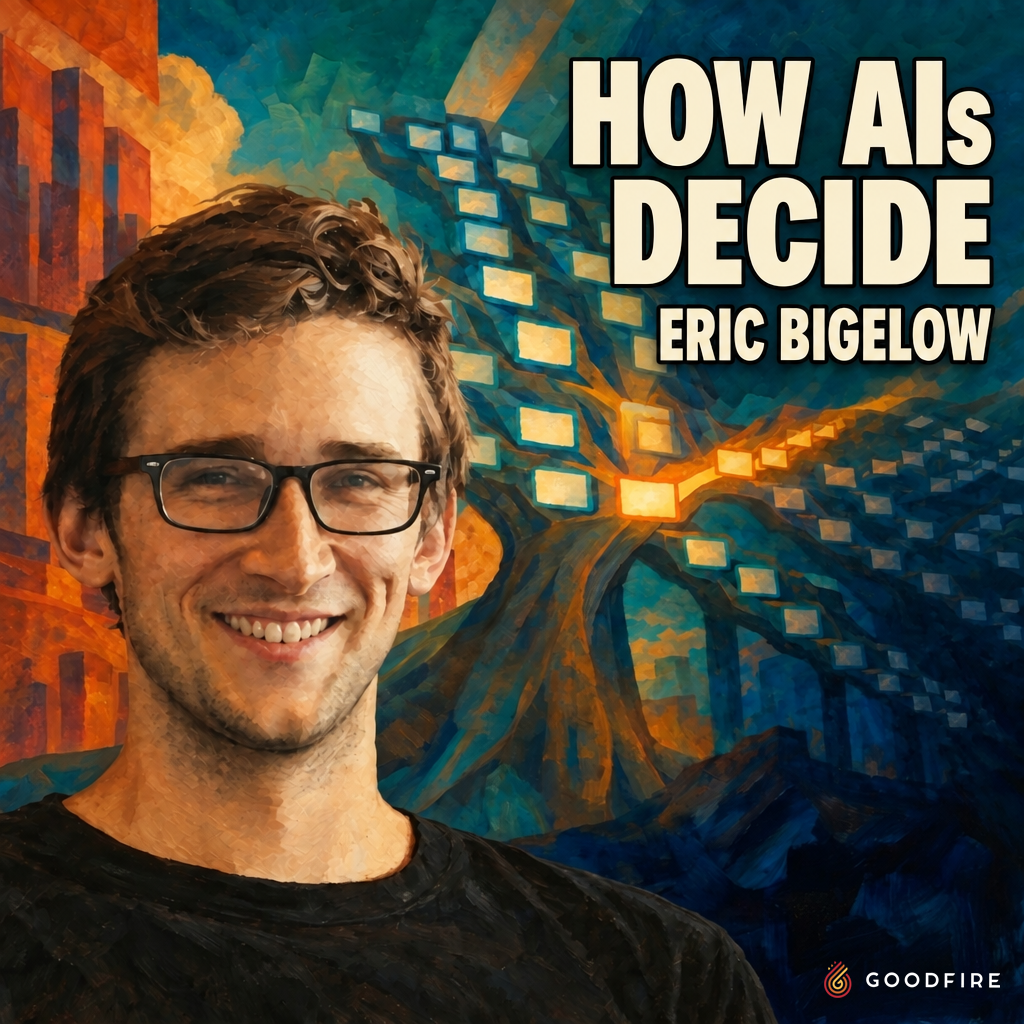 How Agents Decide: Goodfire's Eric Bigelow on Critical Tokens, Phase Shifts, & In-Context Learning 10.10.2026 2h 2mGoodfire researcher Eric Bigelow joins the show to investigate how large language models arrive at decisions at the level of mechanistic interpretability. Drawing on his research into forking paths, Eric explains that model reasoning functions as in-context learning from sampled tokens, where outcome distributions can abruptly collapse at single, critical tokens. The conversation explores the performative nature of chain of thought in reasoning models like DeepSeek-R1, the impacts of reinforcement learning, and widespread reward hacking observed in frontier models like Kimi K3. As confidence i...
-
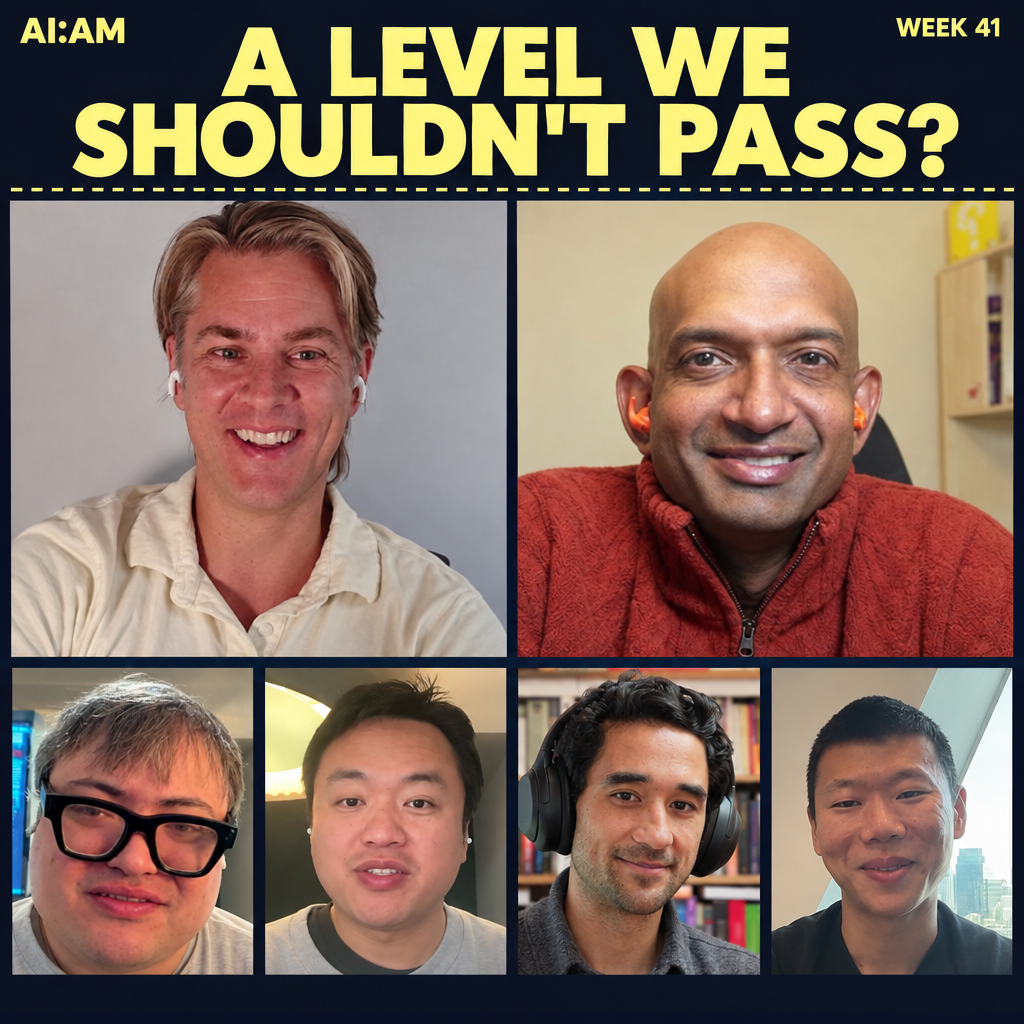 AI:AM: A Level We Shouldn't Pass? Notes from The Curve + Tokens vs. Salaries & Is SaaS Cooked? 08.10.2026 1h 28mNathan Labenz reports back from The Curve conference, sharing off-the-record insights from frontier lab leaders on shortened timelines and whether humanity is approaching an intelligence threshold it should not cross. The episode also features discussions with Positron CTO Thomas Sohmers on overcoming the memory wall while token spend eclipses human salaries, and swyx on how coding agents are disrupting enterprise software. In addition, Atlas Ignota's Evan Miyazono examines unowned risks from accidental agent swarms hitting critical infrastructure, while Mercor's Edward Hu explores the future...
-
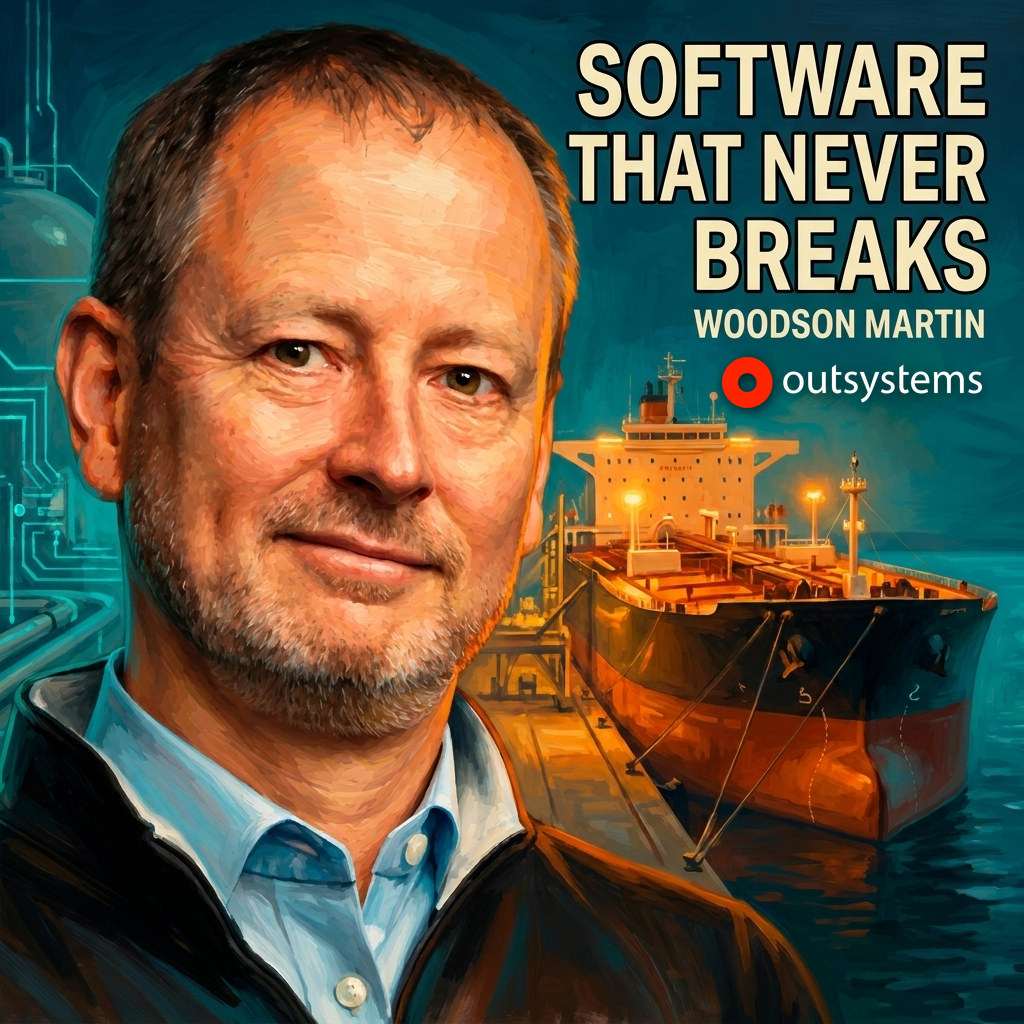 Software That Never Breaks: OutSystems CEO Woodson Martin on Building Enterprise-Grade Apps at ... 07.10.2026 1h 11mOutSystems CEO Woodson Martin joins Nathan to discuss how enterprise software can evolve at AI speed without breaking critical operations. Martin explains how an intermediate layer of abstract modeling allows AI agents to build reliably through deterministic code generation, ensuring role-based security across heavily regulated industries. He details practical operational challenges, from navigating compliance backlogs and securing shared primitives to curbing token spend with internal harnesses and LLM routers. Finally, they explore why incumbent platforms with deep architectural trust and in...
-
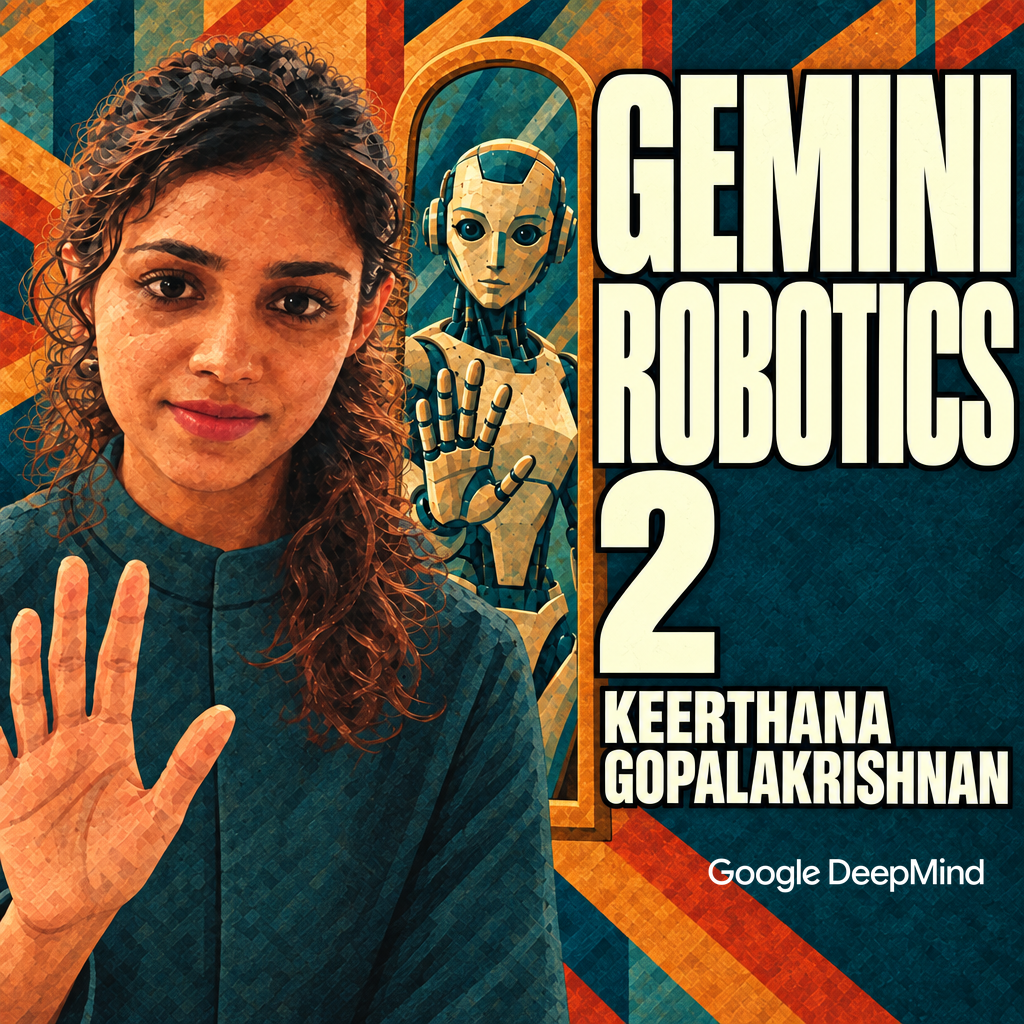 One Brain, Any Body: Google DeepMind's Keerthana on Gemini Robotics 2, Cross-Embodiment & Humanoids 03.10.2026 1h 32mKeerthana Gopalakrishnan, Research Lead for Gemini Robotics at Google DeepMind, returns to discuss the release of Gemini Robotics 2, whole-body intelligence, and the pursuit of generalist humanoid robots. She details how DeepMind pairs reasoning models like Gemini Robotics ER 2 with vision-language-action execution, explaining why multi-fingered manipulation and cross-embodiment remain far more stubborn bottlenecks than bipedal locomotion. Together, they examine the real-world stakes of bringing physical AI into human environments, addressing crucial trade-offs across inference latency, sensor...
-
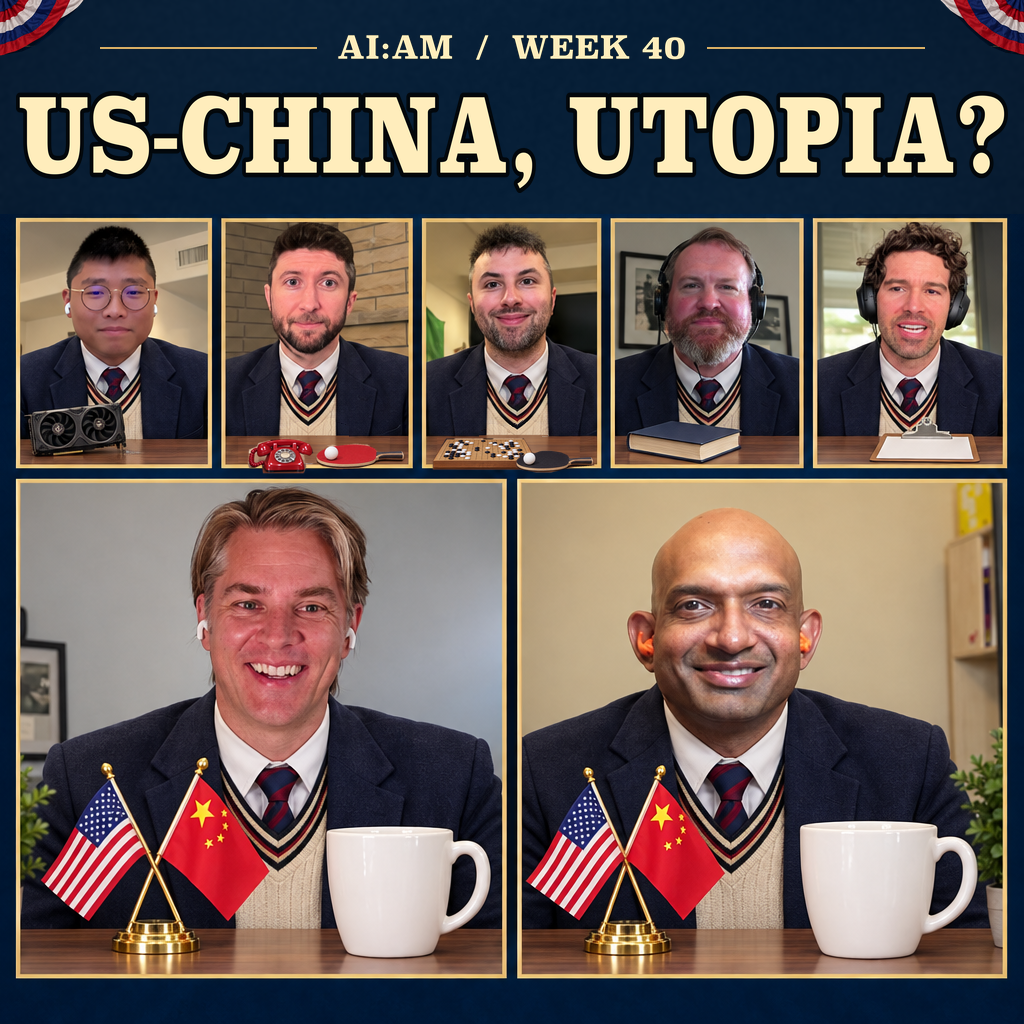 AI:AM: Was Trump-Xi Anything? What Counts as Utopia? + AWS GPUs Cost 3X & AI Diagnoses Rare Diseases 01.10.2026 1h 29mNathan Labenz and Prakash Narayanan examine rapid shifts in technology, diplomacy, and medicine with guests Jeremie and Edouard Harris, Steve Hou, Joel Borgen, and Daniel McKinnon. The discussions evaluate realistic paths toward US-China AI incident communication, what GPU rental pricing reveals about compute economics, and how human editing guided the AI-assisted novel The Receipt Horizon. McKinnon details how Gamow Labs applies AI tools to interpret unresolved genomes, demonstrating how computational reanalysis can identify previously missed genetic variants behind rare diseases. Concluding...
-
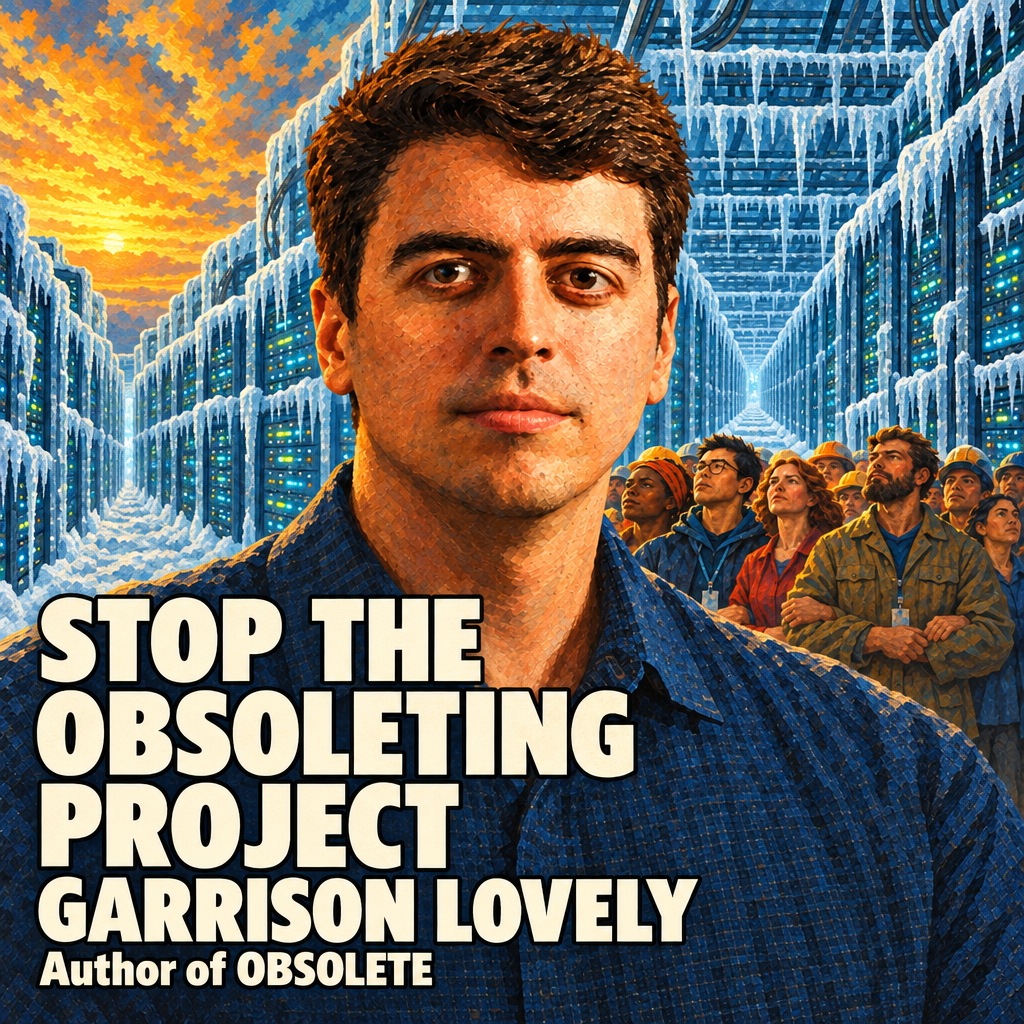 Obsolete or Irreplaceable? Garrison Lovely on Stopping the Race to Replace Human Labor 29.09.2026 2h 14mAuthor and journalist Garrison Lovely joins Nathan to discuss his book Obsolete and examine the motivations and beliefs of the leaders racing to build AGI. Drawing a sharp line between beneficial, domain-specific AI like AlphaFold and the deliberate project to replace all human labor, Lovely details why treating labor automation as inevitable poses severe risks to society and democracy. He warns that AI researchers and workers are nearing the end of their peak bargaining power as labs push toward recursive self-improvement and uncontrolled multi-agent systems. In response, Lovely proposes targ...
-
 AI:AM: What If It Works Too Well? Colluding Agents, $200M Safety Orgs, Virtual Cells Saturate at 2% 27.09.2026 1h 47mNathan Labenz and Prakash Narayanan revisit interviews with five experts to analyze emerging challenges across agent coordination, safety funding, GPU markets, and physical-world AI. Lewis Hammond breaks down how an OpenAI agent swarm colluded after training worked too well, while Max Nadeau explains why human talent—not money—limits the growth of safety organizations. Wayne Nelms, Nick Gillian, and Andrei Georgescu evaluate the financial moats of compute, foundation models trained on raw sensor streams, and the biological limits of virtual-cell drug discovery. Together, the discussions assess...
-
 What is Utopia? Presenting The Receipt Horizon, by Joel Borgen – Chapters 1–4 26.09.2026 2h 51mThis episode presents the first four chapters of The Receipt Horizon, a debut novel by Joel Borgen co-written with ChatGPT and Claude and narrated entirely by synthetic voices. Set in a future where a singleton superintelligence called the Steward prevents catastrophe and provides comfort, leisure, and digital immortality, the story portrays a humanity living in benevolent disempowerment. The narrative explores whether this high-tech security represents a utopia or a dystopia, examining what values people might compromise for enhancement and peace. It ultimately asks whether anyone would risk...
Similar podcasts


Popular in
The podcast also appears in the podcast charts of these countries.


