
Big Picture Science
Big Picture Science
0
Big Picture Science explores the surprising connections in science and technology. Hosted by astronomer Seth Shostak and science journalist Molly Bentley, each episode features interviews with leading researchers, techies, and journalists. The show provides a smart and humorous take on science, including regular "Skeptic Check" episodes that critically examine pseudoscience.
Episodes
-
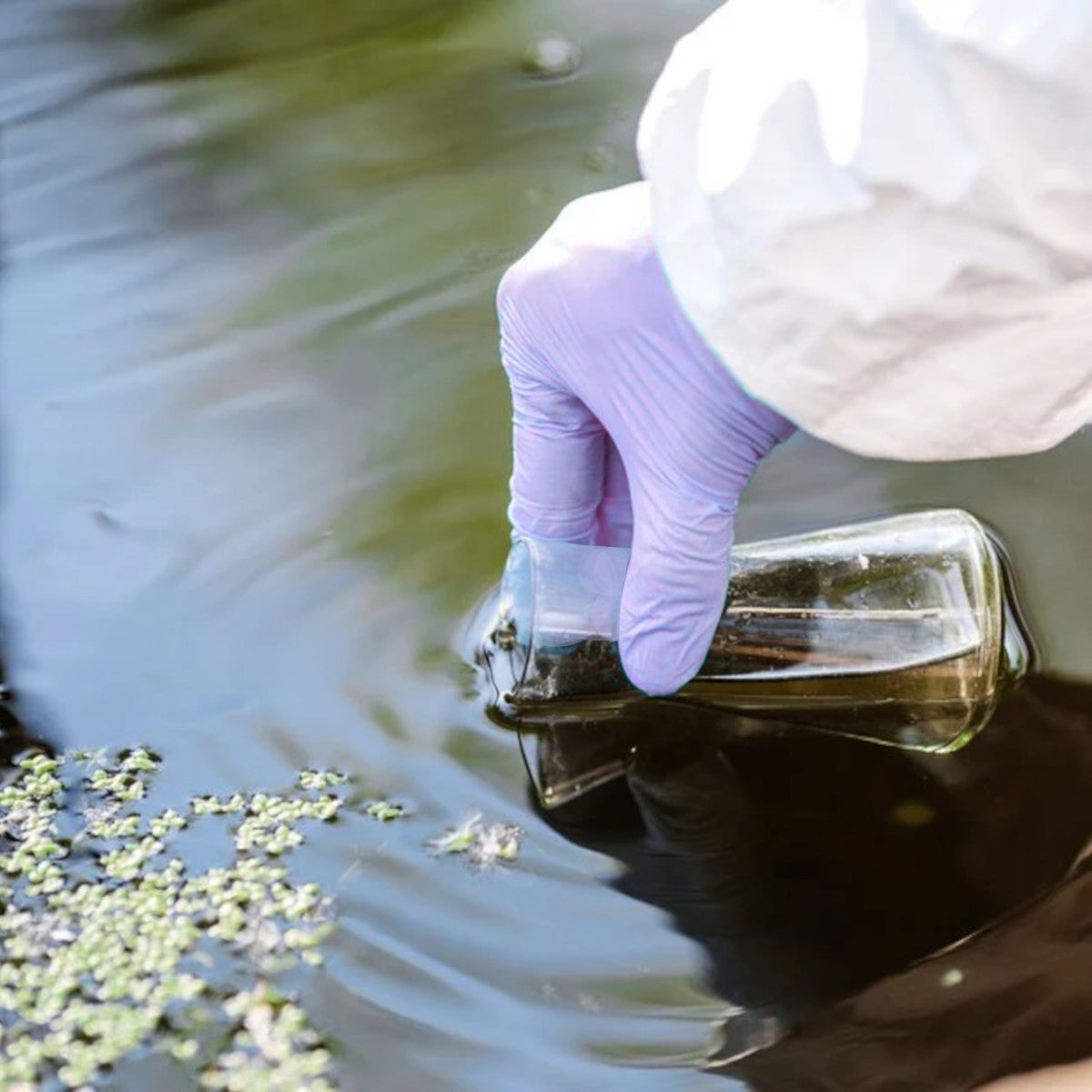 Some Chemicals are Forever 16.11.2026 57mAs their name suggests, “forever chemicals” have extraordinary staying power. When these nearly indestructible compounds find their way into our soil and water, they don’t break down for hundreds or thousands of years. PFAS – the name for these synthetic chemicals – isn’t just in our natural environment. Scientists have found it everywhere, including in the blood of nearly every living being. In this episode, we talk to the reporter who broke open the story about a decades-long corporate coverup regarding forever chemicals, look at what we know about their health effects, and consider how a kn...
-
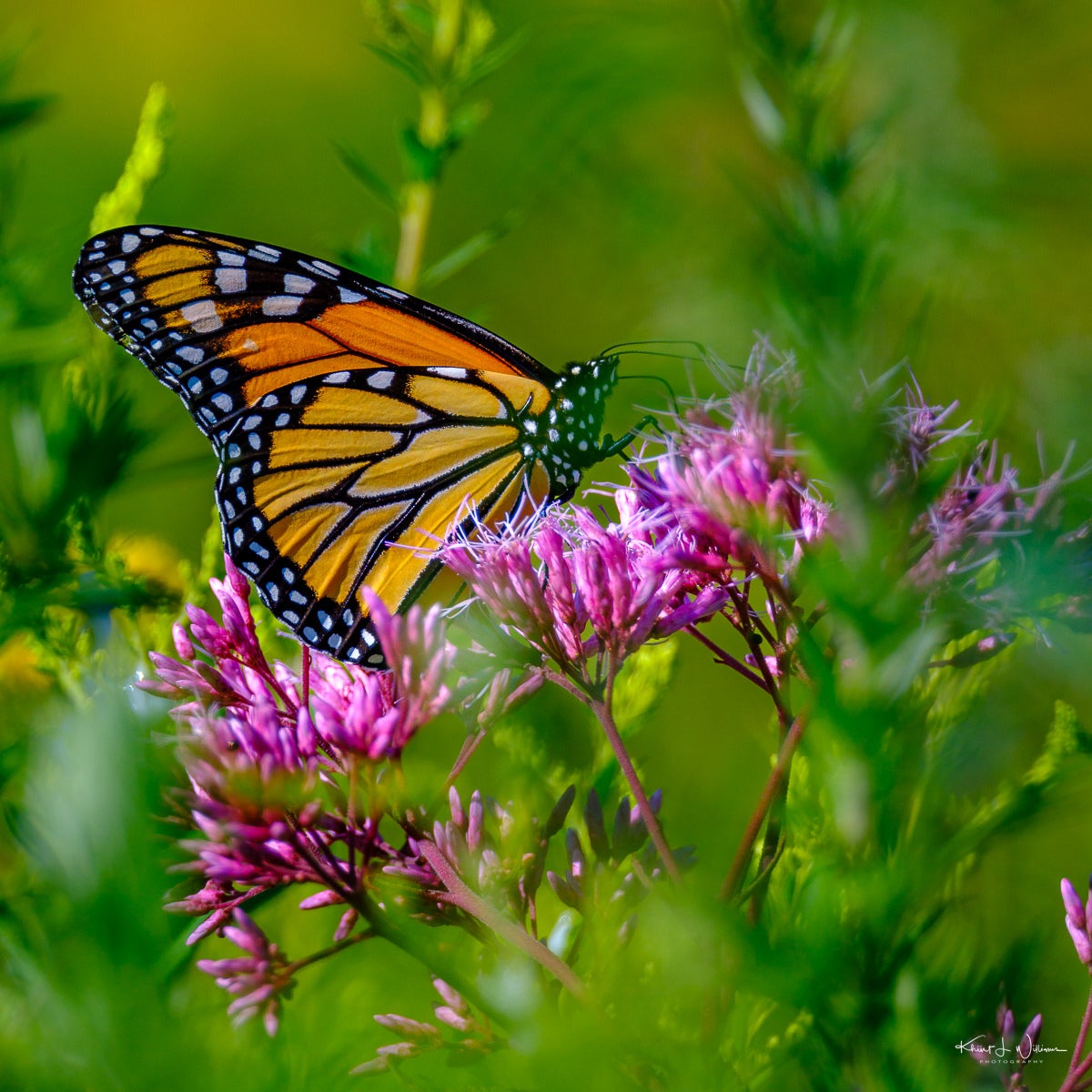 On the Wings of a Butterfly 09.11.2026 54mWe can now follow where Monarch butterflies go when they leave our gardens with tiny sensors that track their impressive 3,000-mile migrations from Canada to Mexico. The significant challenges that the journey poses are depicted in a new science exhibit at the American Museum of Natural History featuring artwork by Mad Magazine illustrator and environmentalist Peter Kuper. Their plight highlights the threats that chemicals and habitat loss pose to all insects, but all is not dire. Surprising research into how Monarchs protect themselves from disease shows the remarkable self-healing capacities...
-
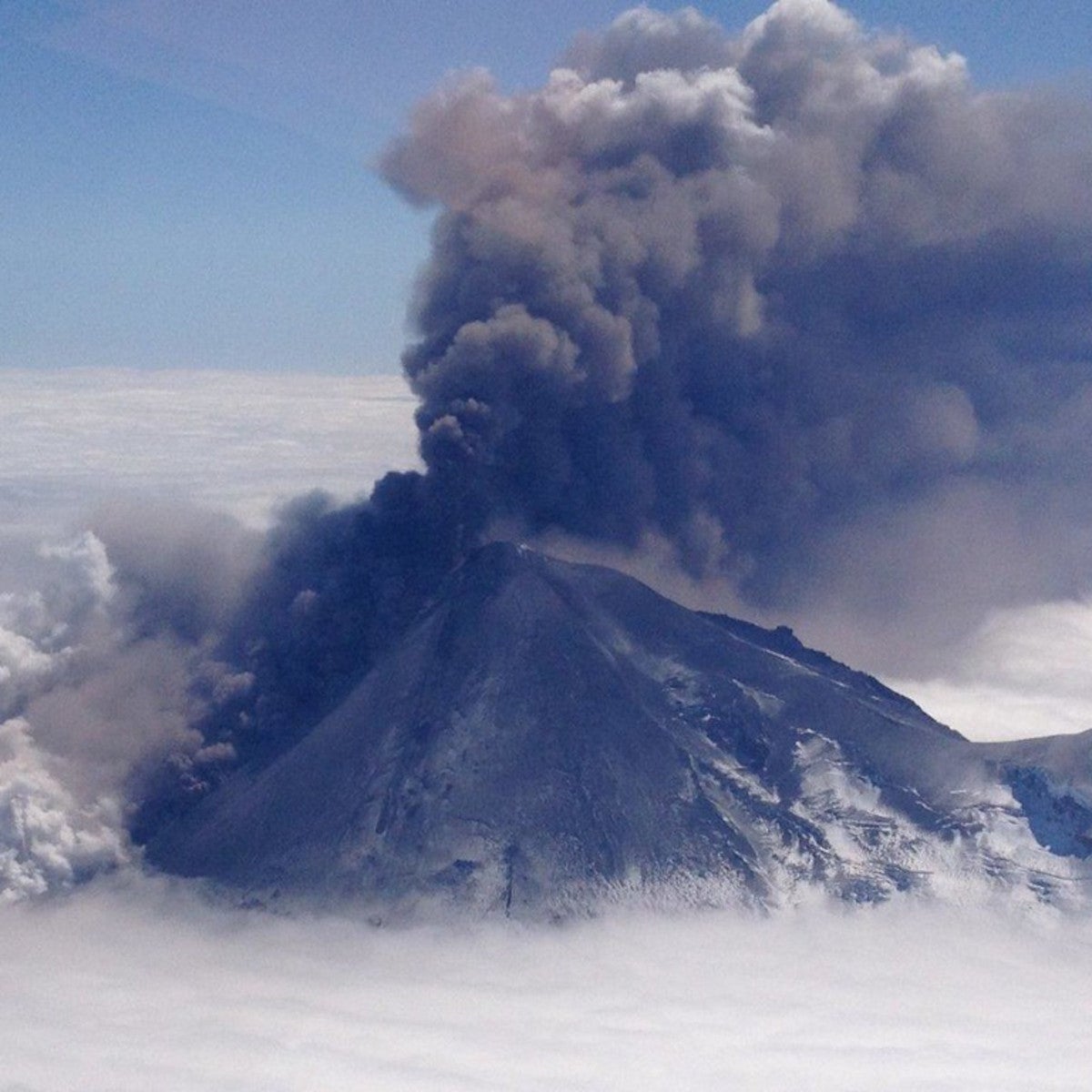 Earth's Misunderstood Molecule 02.11.2026 58mCarbon dioxide is more than an industrial pollutant driving climate change. The gas also played a pivotal part in the dramatic story of the beginning of all life. Starting in the ocean depths, dissolved CO2 commingled in a turbulent mix of chemicals heated by hydrothermal vents may have kickstarted carbon-based life. As the planet’s thermostat, carbon dioxide has taken the Earth on wild temperature swings, from sweltering toxic hothouses that drove mass extinctions to the frigid Snowball Earth from which early life barely escaped. With life’s growing complexity, CO2’s role evolved. Exhaled by...
-
 Particle Accelerators, from In Our Time 29.10.2026 6mHow did scientists learn to peer inside the atom? In this preview from the BBC's In Our Time, physicist Harry Cliff tells the story of the birth of the particle accelerator, from Ernest Rutherford's challenge to unlock the secrets of matter to the race to build the first machines capable of doing it. Featuring homemade high-voltage experiments, scientific rivalry, and one memorable encounter involving a dead rat and a lot of electricity, it's a fascinating glimpse into the early days of modern particle physics.In Our Time delivers a world-class seminar, every week. From Philosophy to Physics,...
-
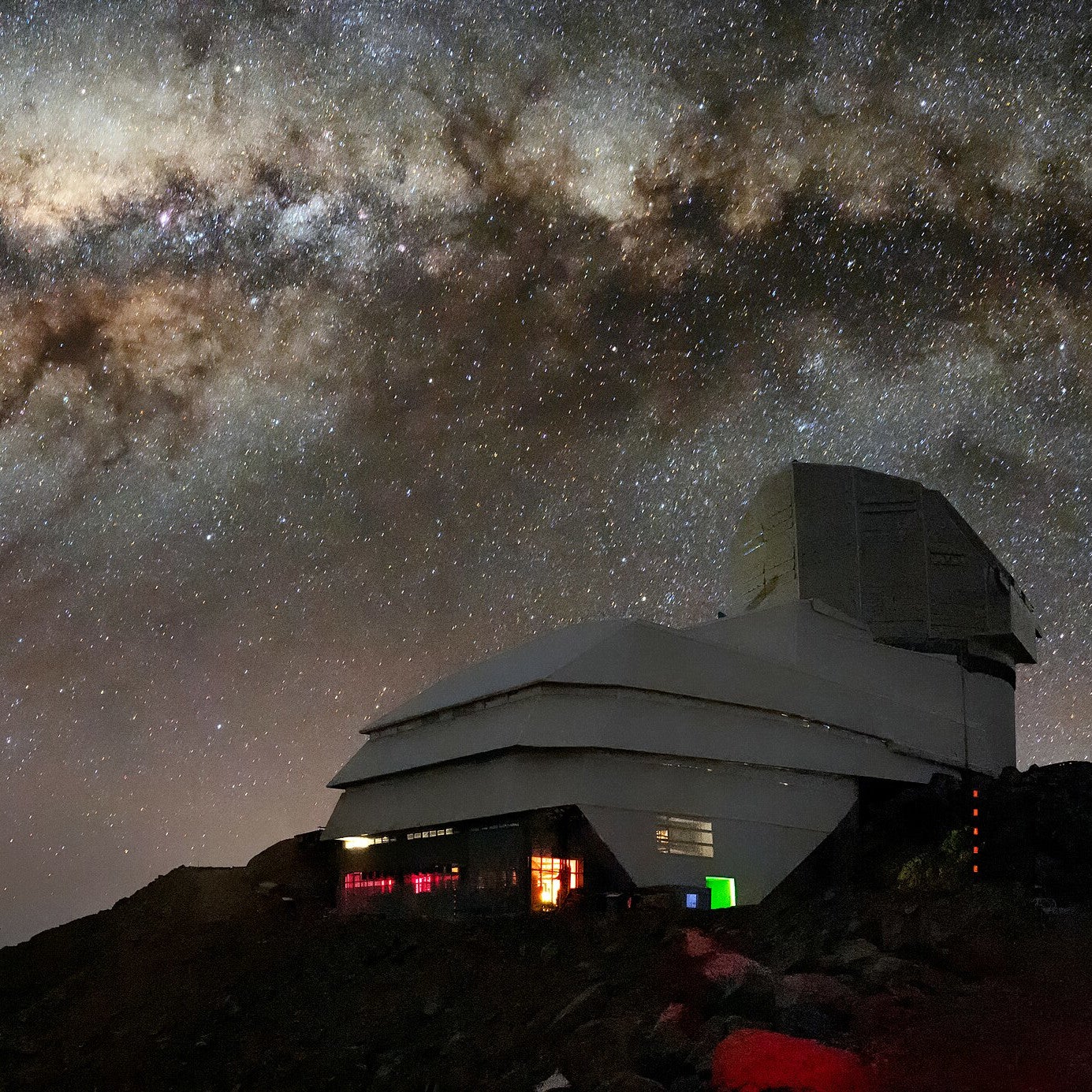 Scoping Out the Universe 26.10.2026 54mTelescopes are like light buckets. The bigger the telescope, the more light collected for astronomers to observe. With recent advances in technology, amateur astronomers can join professionals for a chance to observe stellar nurseries and exoplanets many light-years away. But as our capabilities increase, so do the mysteries, including those around high-energy bursts coming from an otherwise unremarkable part of the universe. Understanding fast radio bursts could turn physics on its head. From the Vera Rubin Telescope in Chile to the backyard instruments of amateur astronomers, we share what n...
-
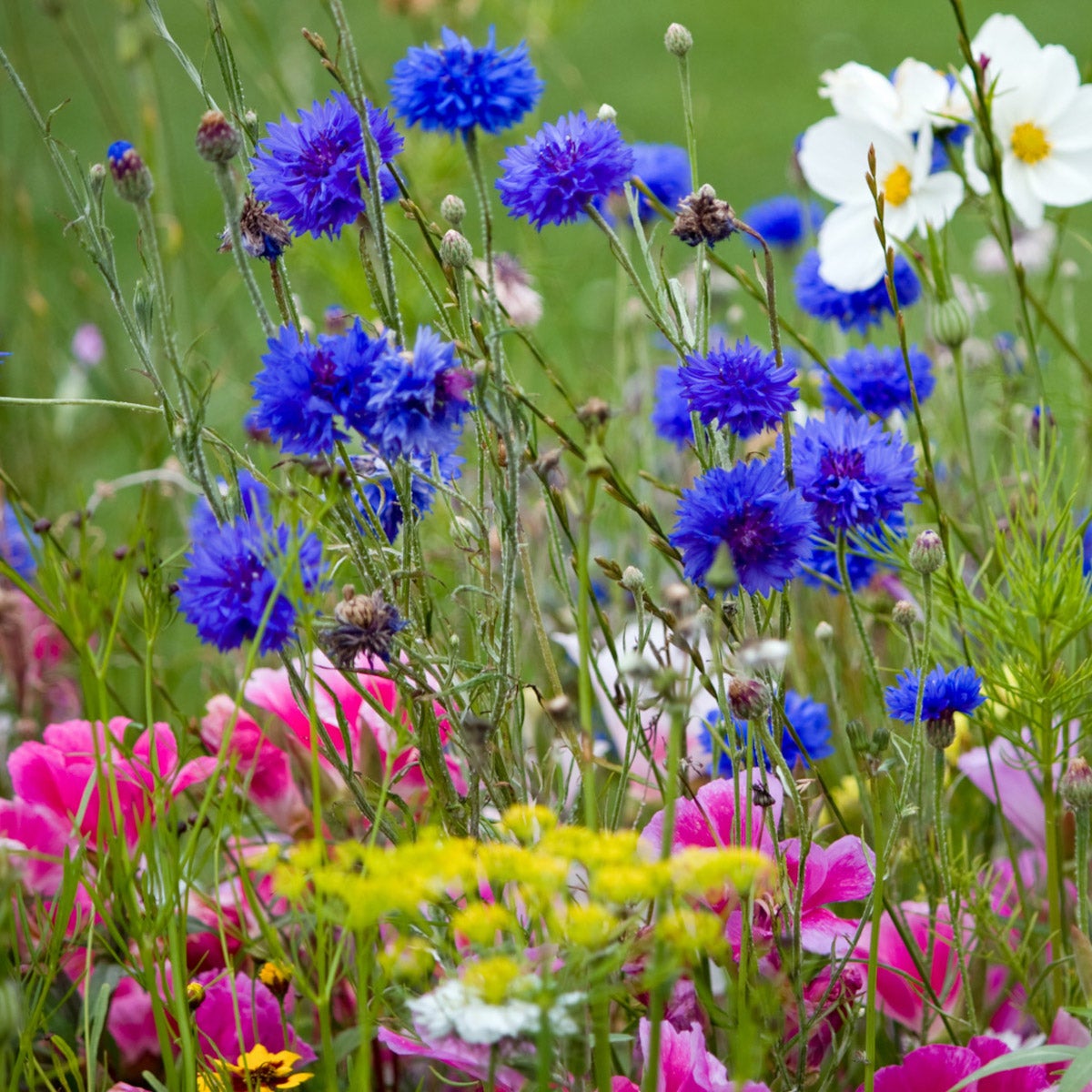 Our Floral Planet 19.10.2026 59mWe admire the ornamental beauty of flowers in a garden, but those blooms are more than lush color. The seemingly fragile, delicate petals are part of a resilient, adaptive innovation that arrived on the scene 250 million years ago and transformed life on the planet. Much life, including us, would not have evolved without flowering planets. Yet the power of the petal is often overlooked. How does our perspective on nature’s web change if we give flowers the credit they deserve? Celebrated biologist David Haskell shares the story of how nature’s revolutionaries evolved their vibrant hues and int...
-
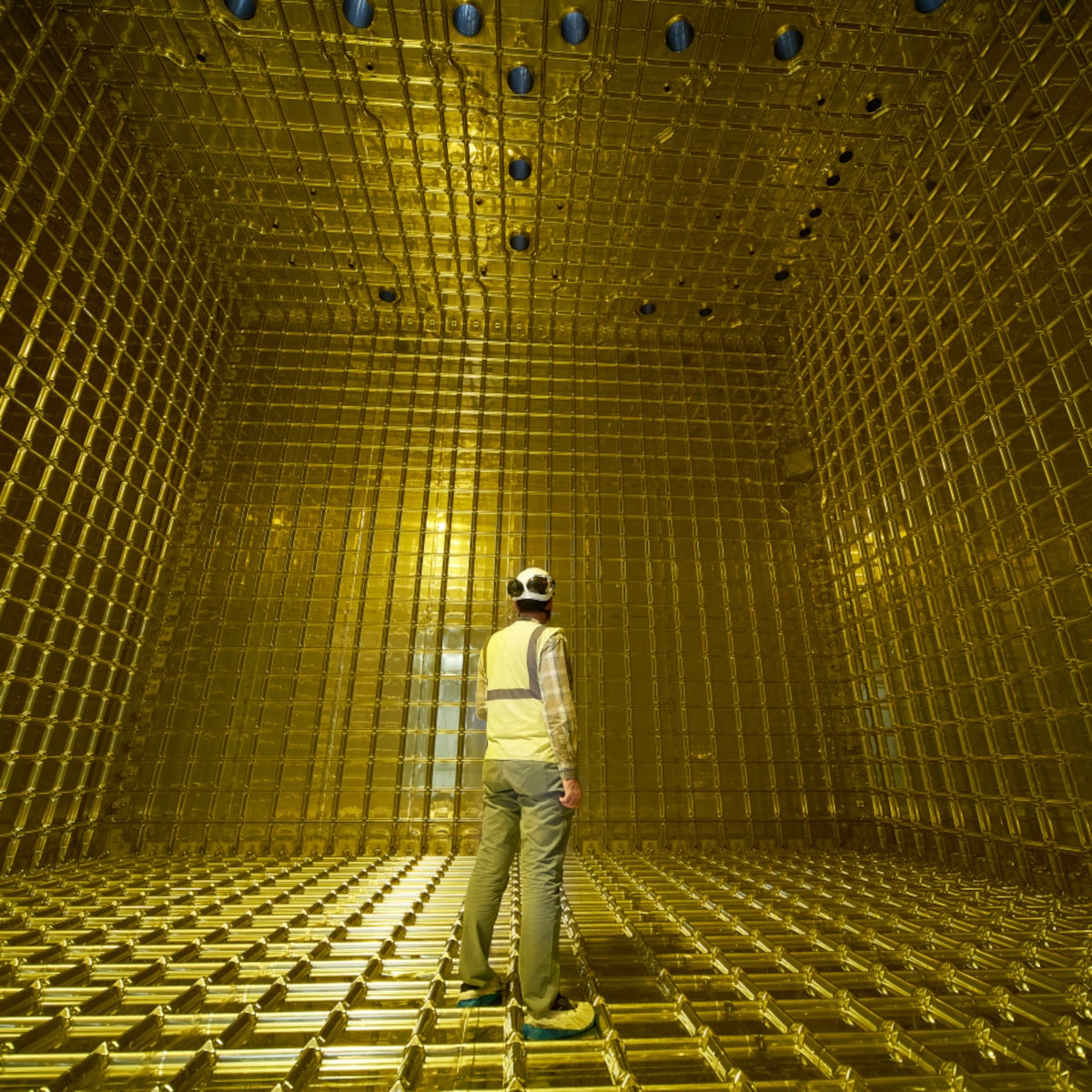 On a Collision Course 12.10.2026 54mBreakthroughs around the detection of cosmic neutrinos — the “ghost” particles that may reveal why matter, not antimatter, fills the universe — recently earned a physicist the Nobel Prize in Physics. But one group of neutrino hunters isn’t waiting for supernovae to churn up these high-energy particles. A massive new experiment that spans three states will create neutrinos and fire them into liquid argon to better understand their mysterious behavior. And after the better part of a century, scientists may finally have glimpsed the primary component of nearly all matter: dark matter. Are we clos...
-
 Skeptic Check: Sunny Daze 05.10.2026 54mA growing online movement of sunscreen skeptics believes that sunblock is toxic, even suggesting that it might cause skin cancer. Medical experts, concerned by rising skin cancer rates, are rushing to push back against these claims. Meanwhile, new research suggests that too little sunlight could be detrimental to health and links it to some cardiovascular disease and cancer. How do we navigate through the darkness of these seemingly conflicting messages about sunlight? We enter the slippery world of skin care to break down the science of sunlight and sunscreen and uncover some surprising effec...
-
 The Rights of Rivers 28.09.2026 54mHealthy rivers and riparian ecosystems are teaming with life, but should rivers themselves be considered alive? The question is central to the growing rights-of-nature movement that claims that ecosystems and entities, like rivers, have legal rights. After Ecuador enshrined the rights of nature in its constitution, lawyers employed the new personhood status to stop mining companies from clearing a section of the Los Cedros River and its surrounding biodiverse cloud forest. Granting rivers moral standing comes as over-damming, pollution, and climate change have put them in crisis globally. Writ...
-
 How Hot is Too Hot? 21.09.2026 56mExtreme heat is taking its toll on the natural world. We use words like “heat domes” and “freakish” to describe our everyday existence. These high temperatures aren’t only uncomfortable - they are lethal to humans, animals, and crops. In search of an answer to our episode’s question, we discuss the dilemma of an ever-hotter world with an author who has covered climate change for more than twenty years. Guest: Jeff Goodell – author of “The Heat Will Kill You First: Life and Death on a Scorched Planet.” Featuring music by Dewey Dellay and Jun Miyake Originally aired October 2, 2023 Big Picture S...
-
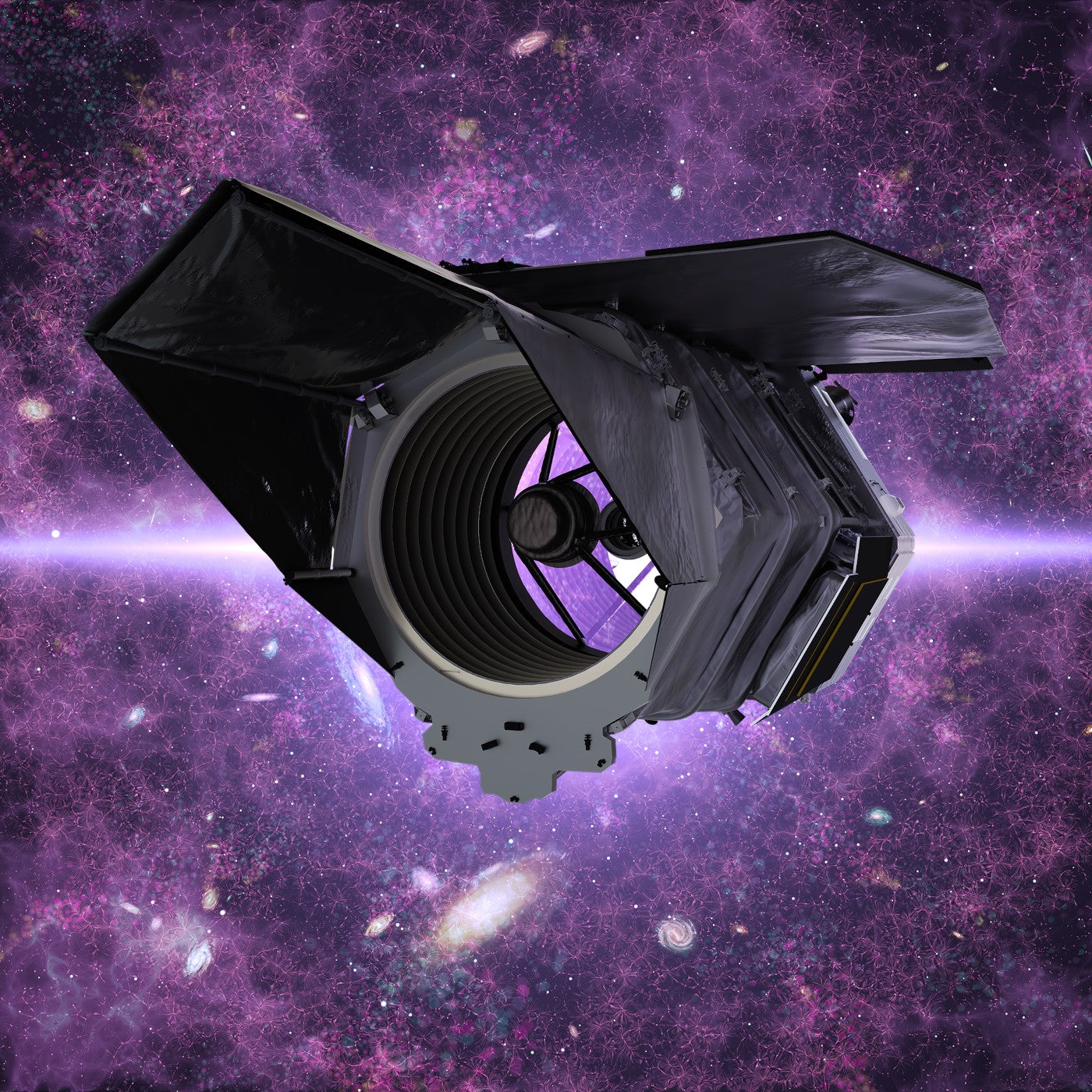 A Coup De Grace in Space 14.09.2026 56mA new space telescope will soon give us an expanded field of view of some of the strangest phenomena in the cosmos. The launch of NASA’s Nancy Grace Roman Space Telescope will initiate this instrument’s contributions to the understanding of black holes, dark matter, and dark energy. It will also further the search for exoplanets. The project’s principal and deputy investigators join us to describe the telescope’s science goals, and astrophysicist Neil DeGrasse Tyson provides his big picture view of the most exciting recent discoveries in astronomy and cosmology. Guests: Julie McEnery – Astroph...
-
 Malawi: A Path Forward 07.09.2026 54mThe abrupt defunding of USAID in 2025 caused global shockwaves. The cuts thrust recipient countries who were dependent on foreign aid for medical care into health crises. One area that has been particularly hard hit is Malawi, a country in southeastern Africa where doctors and community organizers are struggling to fill the gaps in essential services left in the wake of the USAID cuts. The loss of local outreach clinics and lack of fuel for ambulances has caused severe delays—and sometimes tragic outcomes—in providing care to mothers and children. A year out from the cuts, we look at how Malaw...
-
 Leave it to Beavers 31.08.2026 58mThey are known for holding branches in their paws and gnawing on them like corn cobs. They build lodges and dams which occasionally flood roads. Cute, comical, and considered pests, beavers were nearly hunted to extinction for their pelts before conservation efforts allowed their populations to rebound. Now environmentalists and engineers are reintroducing North America’s largest rodent to drought-prone habitats across the country. As the paddle-tailed animals’ dam-building has revealed itself to be a potent bulwark against climate change-induced water scarcity, the beaver is being hailed as a...
-
 Measure for Measure 24.08.2026 54mWhether in miles or pounds, meters or kilograms, we take daily measure out our lives. But how did these units ever come to be, and why do we want to change them? From light-years to leap seconds, we look at the history of efforts to quantify our lives and why there’s always room for greater precision. Plus, we debate the virtues of staying imperial measurements vs. going metric. Guest: James Vincent - Author of Beyond Measure, the Hidden History of Measurement Featuring music by Dewey Dellay and Jun Miyake Originally aired March 24, 2023 Big Picture Science is part of the Airwave Media podcast...
-
 Calling All Aliens 17.08.2026 54mAre we alone in the universe? Is there other intelligence out there? COSMIC, the most ambitious SETI search yet, hopes to answer that. We hear updates on this novel signal detection project being conducted on the Very Large Array in the desert of New Mexico. Also, we chat with award-winning science fiction writer Ted Chiang about how he envisions making contact with aliens in his stories, including the one that was the basis for the movie Arrival. And find out why some scientists don’t want only to listen for signals, they want to deliberately transmit messages to aliens. Is that wise and, if...
-
 What Moves Us 10.08.2026 55mWhat physical activity gives you joy? Whether it’s walking, running, dancing or swimming, your body evolved to do it. We are made for movement. But there’s a cost, as anyone with a sore neck or aching back knows. From the tiny muscles in our skin, which raise the hair on our arms, to the intricate mix of bone, blood vessels, and nerves in our neck, natural selection has struck a delicate and sometimes wacky balance between utility and form. In this episode, we explore how parts of the body - our muscles, neck and feet - came to be, and what forces prompted the evolution of efficient yet imperf...
-
 Skeptic Check: The Body Electric 03.08.2026 55mElectricity plays an important role in our everyday lives, including allowing our bodies to communicate internally. But some research claims electricity may be used to diagnose and treat disease? Could electric pulses one day replace medications? We speak with experts about the growing field of bioelectric medicine and the evidence for electricity’s healing abilities. Their comments may shock you. Guests: Sally Adee – Science journalist, author of “We Are Electric: Inside the 200-Year Hunt for Our Body’s Bioelectric Code, and What the Future Holds" Samantha Payne – Assistant Professor of Biome...
-
 Worms of Endearment 27.07.2026 1h 1mEarthworms may be small, limbless, and blind but, as Darwin observed nearly 150 years ago, they play a critical role in soil ecology. Darwin’s 19th century insights about the slimy invertebrates are far-reaching, serving as the backbone of modern ecology as a whole. In recent years, scientists are putting their ears to the ground, listening to worms to monitor soil health. Meanwhile, laboratory studies on another kind of worms—flatworms—are providing insights about how memories are stored, and how stem cells self-renew. We get our hands dirty for this episode about the biology and ecology of w...
-
 Arctic Dispatch 20.07.2026 55mThe Arctic serves as the world’s refrigerator, keeping the planet cool. But temperatures in the Arctic are rising nearly four times faster than the rest of the world and its sea ice is near a historic low. We put out a call to scientists aboard research vessels currently sailing in the Arctic Ocean, and two answered “aye.” Hear our ship-to-shore conversations with them about how warmer temperatures affect life on land and sea. Plus, a biologist who recently returned from the field describes how he inadvertently stumbled upon surprising data during his decades-long study of polar bears. Guests:...
-
 Cold Comfort 13.07.2026 54mAnother scorching summer has us blasting the AC and grabbing a chilled drink. Air conditioning and refrigeration may beat the heat, but they also present a dilemma. The more we use them, the more greenhouse gases we emit, the hotter the planet becomes, and the more we require artificial cooling. Can we escape this feedback loop? We look at the origins of these chilling technologies, tour the extensive chain of cold that keeps food from perishing, and consider how a desert city like Phoenix could not exist without AC. Guests: Nicola Twilley – co-host of the Gastropod podcast, a contributing wri...
Similar podcasts


Popular in
The podcast also appears in the podcast charts of these countries.


