
How I AI
Claire Vo
0
How I AI, hosted by Claire Vo, is a podcast for anyone wondering how to actually use AI tools to improve the quality and efficiency of their work. Each episode features a guest sharing a specific, practical, and impactful way they've learned to use AI in their work or life. Episodes are 30 minutes long, include live screen sharing, and provide tips, tricks, and workflows that listeners can copy immediately. The podcast aims to demystify AI and help listeners learn the skills needed to thrive in this new world.
Episodes
-
 How I fight token fraud as a solo founder 16.11.2026 39mToday I’m walking you through a problem that has cost me tens of thousands of dollars over the past year and eaten almost all of my engineering energy: token fraud. I’m the solo founder of ChatPRD, a bootstrapped AI platform for product managers, and fraudsters have been farming our free trials, reselling promo codes, wrapping the product in relays, and installing a custom MCP that ran as a 24/7 compute worker. I’ll walk through the six abuse patterns I’ve seen, the business and technical controls I put in place, the Jev loop that classifies fraud in real time, and why I finally killed free tr...
-
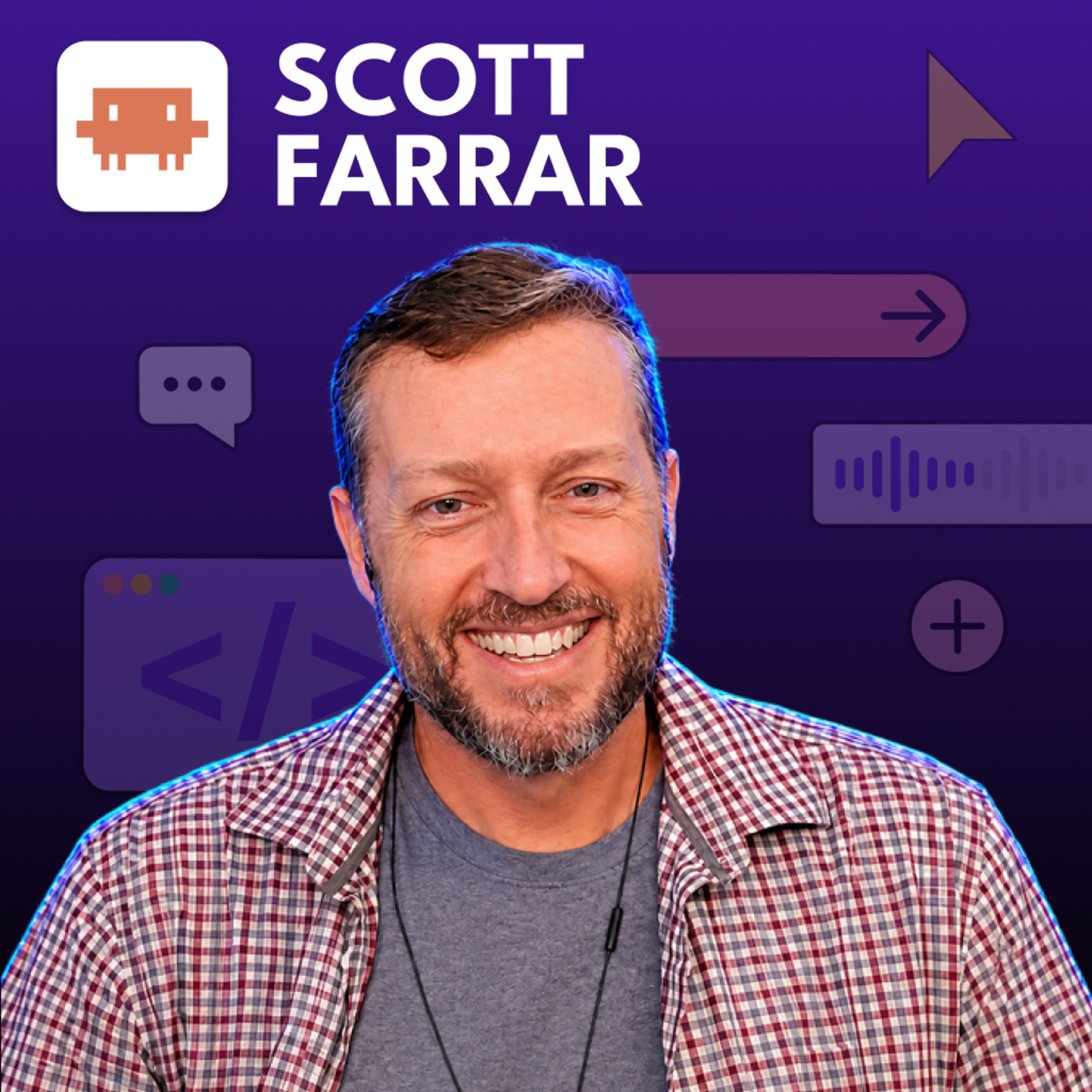 Claude Code + Obsidian: My family’s AI brain | Scott Farrar 11.11.2026 34mScott Farrar is a math educator and parent who got tired of AI chats that drift and forget. So he built a household brain in Claude Code: a folder of Markdown files, viewed in Obsidian, that knows his appliances, warranties, insurance documents, and everything on his family’s to-do list. In this episode, Scott shows how he uses it to shop for car insurance, plan repairs, share the system with his wife, and put priority tasks and recent wins on a wall display. We also talk about AI and math learning, and why he wants AI to keep kids doing the thinking.What you’ll learn:Why he moved his home lif...
-
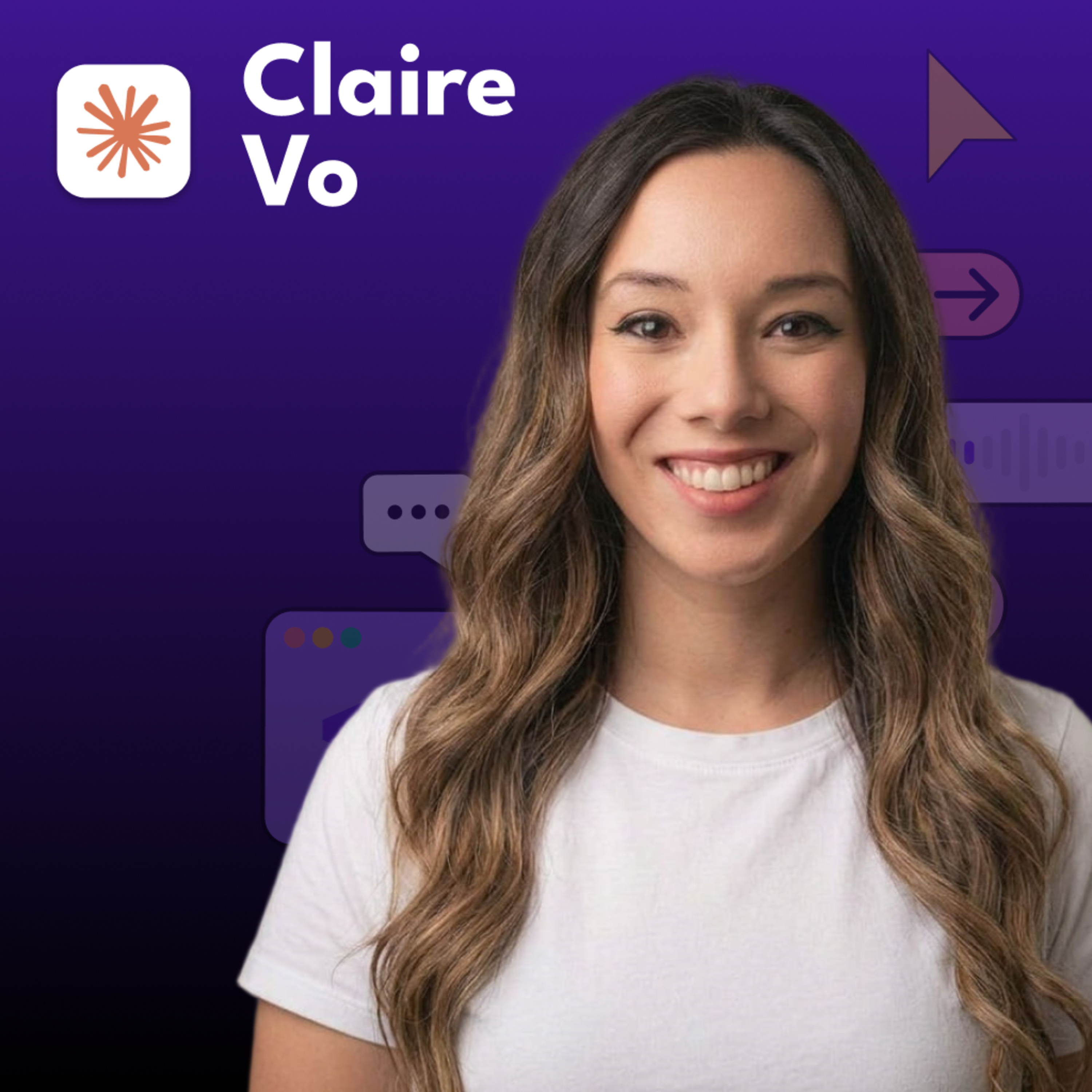 Claude Fable 5.2 review: fast, creative, and finally not annoying 09.11.2026 24mAnthropic just released Fable 5.2, their new frontier model, and I spent two days actually building things with it before recording this. I made an animated marketing video from a single tweet, assembled a pile of unboxed furniture using only blurry floor photos, and extended our CXO brand sprites into a full bug-defense game complete with a trailer. In this episode I walk through what impressed me, what fell down, and how I’m thinking about routing tasks between Fable 5.2 and Opus 5.5 going forward.What you’ll learn:What Anthropic launched with Fable 5.2 and Mythos 5.2, and when to reach for...
-
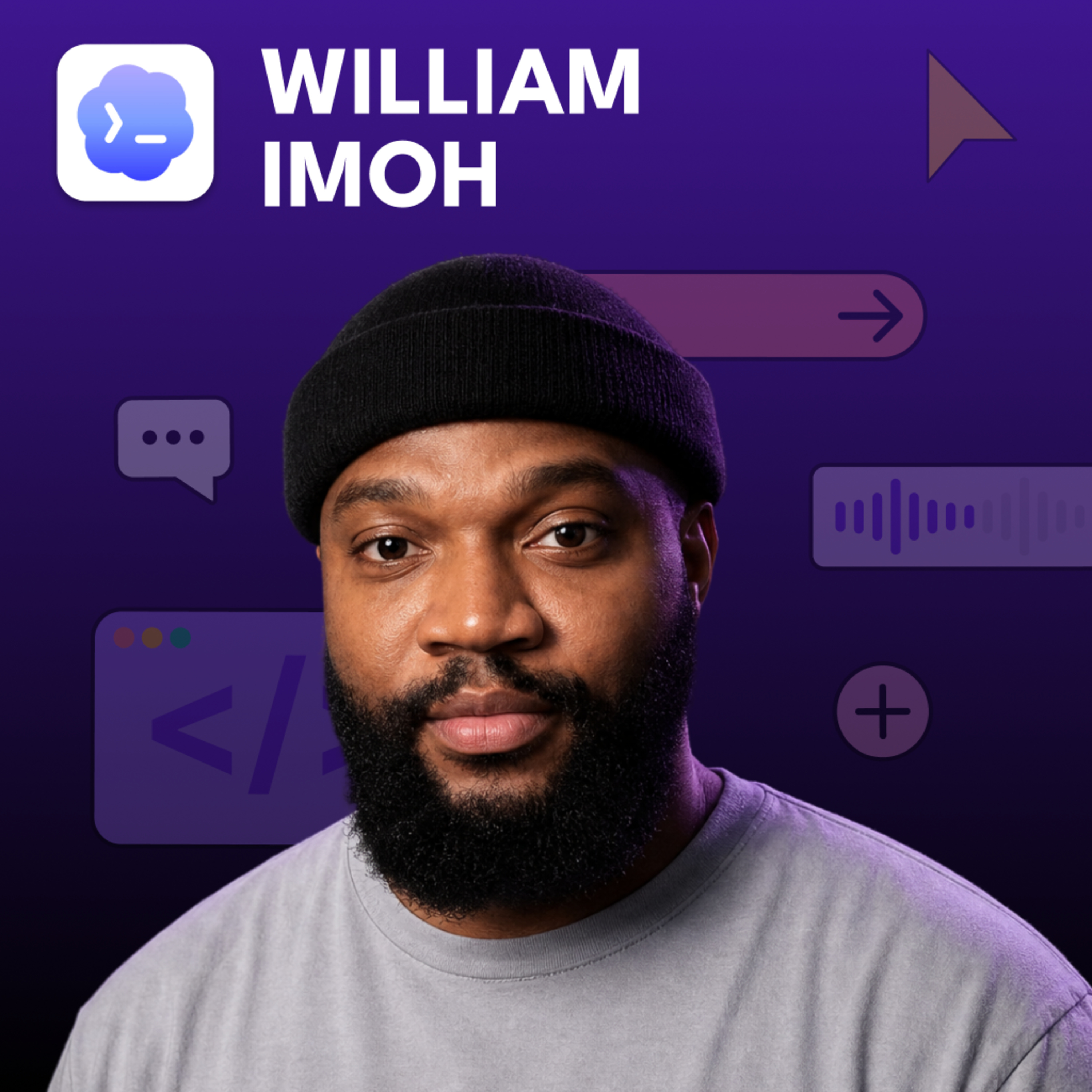 How this founder built a better Duolingo with Codex | William Imoh 09.11.2026 38mWilliam Imoh is the founder of Hackmamba, a developer marketing company, and the creator of Mural, a real-time voice app he built to learn Norwegian after moving from Dubai to Norway. He has a chemical engineering degree, taught himself to code, and spent four years as a product manager, but he had never written a line of Swift. In this episode, William shows how he used Codex and GPT-Live to build Mural natively for iOS and Android, then walks through the Lord of the Rings–themed Grok Bot “fellowship” that helps him run a team of about 25 as a solo founder.What you’ll learn:The design prompt...
-
 How Figma’s PMs actually use AI every day | Ezra Mechaber (PM, Figma) 02.11.2026 42mEzra Mechaber is a growth product manager at Figma whose goal is to be “lazy in the right places.” When he joined Figma, he found almost no one outside engineering using AI to get real work done, so he and a couple of fellow PMs turned his personal Claude Code setup into PM OS, a shared repo of 31 skills that every PM at Figma now uses. In this episode, Ezra walks me through his favorite skills, how he bug bashes with Codex, AutoXP—an automated growth PM that found a huge win on its very first experiment—and a real-time writing assistant he built with Jev.What you’ll learn:Why PM OS is a repo,...
-
 Grok vs. Dot vs. Muse vs. Claude Duet: which one crushes the competition? 28.10.2026 35mI have personal-agent fatigue, so I ran the first How I AI personal-agent benchmark: Grok Bot, Dot, Muse, and Claude Duet across nine real tasks, from a Slack reply and a Sentry bug to a Figma thumbnail, inbox triage, a family newspaper, physics homework for a fourth grader, shoe shopping, and a ChatPRD launch video. I used computer use to operate them: Claude ran Dot, Codex ran the rest and scored the results live. Here’s the scoreboard—and which agent I’d actually trust for work vs. life.—Brought to you by:WorkOS—Make your app enterprise-ready, with SSO, SCIM, RBAC, and moreFirecrawl—Give yo...
-
 Why Reddit built its own AI prototyping tool | Blair Metcalf 26.10.2026 29mBlair Metcalf is the principal UX engineer at Reddit and the builder of Reddit Proto, the company’s in-house vibe-coding harness. With a design system MCP that maps Reddit’s product language to production code, Proto has reached 100% adoption across Reddit’s UX and product org, and more than 700 prototypes are live on it.What you’ll learn:Why Reddit built its own prototyping harnessHow designers share prototypes with leadership safelyWhy real Reddit data beats mock dataHow one annotation becomes a code edit in CursorWhat a “feature capsule” isWhy Blair built a “Rosetta stone”Blair’s surprising...
-
 Claude Duet is beautiful. I still forgot to use it 21.10.2026 16mAnthropic's new personal agent, Claude Duet, lives on your phone, inherits all your Claude plugins and connectors, and is pitched at small business owners and busy professionals. It's the most polished agent launch I've seen: thoughtful onboarding, task lists, first-class artifacts, and Slack-style channels. But polish isn't enough when you're competing with every other personal agent for attention. I put it to work on my inbox and Slack, my sales pipeline, a Google Docs sales deck, a launch video, and finding Warriors tickets for my kids, and I'll walk you through what it nails, where it stal...
-
 “Claude cuts my TikTok”: How this creator is scaling video with AI | Brooke Lacey 19.10.2026 36mBrooke Lacey has been making videos since before Facebook had video, and she built a TikTok audience of more than 290,000 by learning to cut short-form videos herself. With over 25 years in tech, she now builds her own apps, including Zosha, a free mobile app for learning AI. In this episode, Brooke walks me through the Claude Code, FFmpeg, and Whisper workflow that edits her TikToks in about 15 seconds, how she mines her comments for new scripts, and how she runs a weekly short-form operation with no editor.What you’ll learn:How Claude Code edits a raw phone video on her computer in about 15...
-
 Meta’s new ‘Muse Wonder’ model: good for AI agents, bad for design 14.10.2026 24mI put Meta’s new Muse Wonder (and Wonder Full) frontier models through the How I AI bench, which covers nearly 20 tasks across prototyping, agentic workflows, coding, writing, and creative work. I scored everything with an LLM-as-a-judge pass and my own voice notes, then pulled together the first-look results you see here.What you’ll learn:Why Meta’s “personal and professional agent” framing mostly holds up, and where it doesn’tWhat active focus mode actually does on long-running tasks, and whether it’s realThe three agentic tasks where Muse ranked first, and why those categories matterWha...
-
 How Meta designed Muse: an AI agent people actually want to talk to | Alex Cornell (Design Director) 12.10.2026 37mAlex Cornell is a design director at Meta, where he leads design on Muse, Meta’s consumer AI agent. He came to the role with a long background in software product design, including time as a founder, and has spent the past year building one of the most thoughtful agent interfaces in the consumer AI space. Muse ships with a custom avatar, a three-layer status display, a personalized ideas surface, and a generative feed. Alex has been sharing the reasoning behind each of those design decisions publicly on Threads.What you’ll learn:Why Alex built Muse to feel like messaging, not an AI appHow Muse...
-
 How OpenAI uses ChatGPT Sites (live at DevDay!) | Kath Korevec (Product Lead) 05.10.2026 35mKath Korevec is a member of the Product staff at OpenAI working on Codex, and she spent over a year building and using ChatGPT Sites internally before its public launch. She’s been on the front lines of shipping Plugin Insights, MCP plugin hosting, and the connector ecosystem, which now includes around 60 integrations.What you’ll learn:What Plugin Insights actually does, and why it changes who can use a siteThe incident command site Kath built for her OpenAI team, and how it uses live Slack and Notion connectorsThe one phrase that tells Codex to wire up connectors for youThe infrastructure lay...
-
 Jev: 8 real use cases for the fastest, cheapest model I’ve ever used | John Lindquist 30.09.2026 46mJohn Lindquist created egghead.io, a developer education platform used by hundreds of thousands of working engineers. These days he’s building mega.dev, a hands-on program specifically for developers who want to do real work with AI agents, not just prototype them.What you’ll learn:Why Jev is a decision engine, not a chatbot, and what that distinction actually changes about how you buildHow John built a real-time voice to-do app that classifies and executes commands with no visible pauseThe data deduplication pattern that merges messy records in milliseconds using confidence scoresWhy Jev work...
-
 OpenAI Dev Day 2026: The releases that actually matter 30.09.2026 24mI spent the day at OpenAI’s DevDay in San Francisco, and I have good news and bad news: OpenAI released a lot of stuff.In this episode, I break down the announcements worth paying attention to - and show you what happened when I tested some of them early. We’ll meet my Dot, explore why Spaces and Sites could matter for how teams work, and get into the model and API updates I’m most excited about as a developer.I use the Decisions API to find podcast thumbnails where nobody looks awkward, build a collaborative sketchpad with Astra ultrafast, and let my kids redesign a 3D world in real time. Tha...
-
 Jev for beginners: how to use it and what to build 28.09.2026 26mJev is TypeSafe AI’s new decision model. It returns type-safe structured values (a choice, a score, a probability) instead of generated text, at 4 cents per million input tokens with no output charge. This week I ran it on five real projects: PR categorization, a meta-analysis of my own Claude and Codex sessions, Gmail triage, the ChatPRD product insights graph, and a live audience dashboard built from 4,500 YouTube comments.What you’ll learn:What makes Jev fundamentally different from every other model I’ve usedHow I analyzed 1,700 PRs for 9 cents and what I found out about where my engineeri...
-
 Opus 5.5 vs. GPT-6 Sol: which model won my blind taste test? 22.09.2026 38mI got up early to record an Opus 5.5 review. Then Anthropic and OpenAI dropped new models on the same morning, and I decided to do something I’d never done before: take the How I AI bench live. I put GPT-6 Astra, GPT-6 Sol, Claude Opus 5.5, and more through the work I actually care about: emails, PRDs, frontend prototypes, backend work, long-running agents, SVGs, and video editing. I scored the outputs without knowing which model made them, so you get to watch me make predictions, change my mind, and reveal my own very inconsistent taste. Astra won my heart. Opus 5.5 won my week. Sol still has...
-
 I left Claude for months. Opus 5.5 is why I'm back 22.09.2026 24mI’ve been off Claude for months. Not because it got dumb, but because it got annoying. The rambling, the hedging, the preachy little disclaimers on tasks that didn’t need them. I moved most of my daily work to Codex and I didn’t miss it. Then Anthropic shipped Opus 5.5: 40% cheaper than Opus 5, faster, and with what they’re calling a fundamentally different alignment approach. I ran it for a week across real work, including four long-running agentic tasks, a full ChatPRD homepage redesign, an SVG benchmark, and one very firm refusal, and I’m ready to give you the honest verdict. There’s a lot...
-
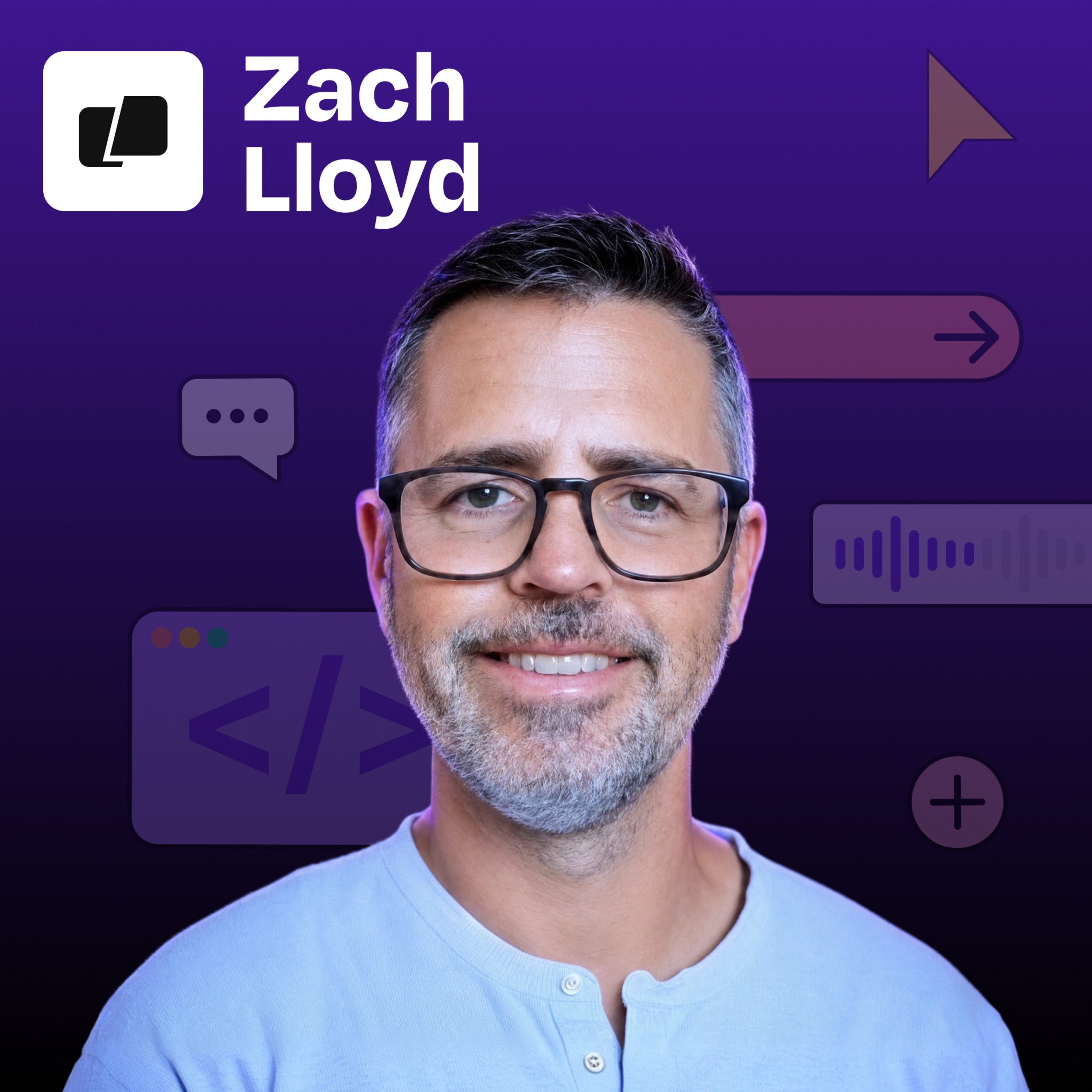 How Warp ships 2,000 PRs a month with AI factories | Zach Lloyd (CEO, Warp) 21.09.2026 46mZach Lloyd is the co-founder and CEO of Warp, an AI-powered terminal and software factory platform used by tens of thousands of engineers. Before Warp, he spent nearly a decade at Google, including time as a principal engineer on Google Sheets. He built Warp from the ground up as a modern, AI-native alternative to legacy terminals, and the team has since expanded into software factories: a full cloud-based system that takes an idea in Slack all the way through to a merged PR.In this episode:Why a software factory is more than a coding agentThe public Slack → Linear → GitHub → QA workflowHuman...
-
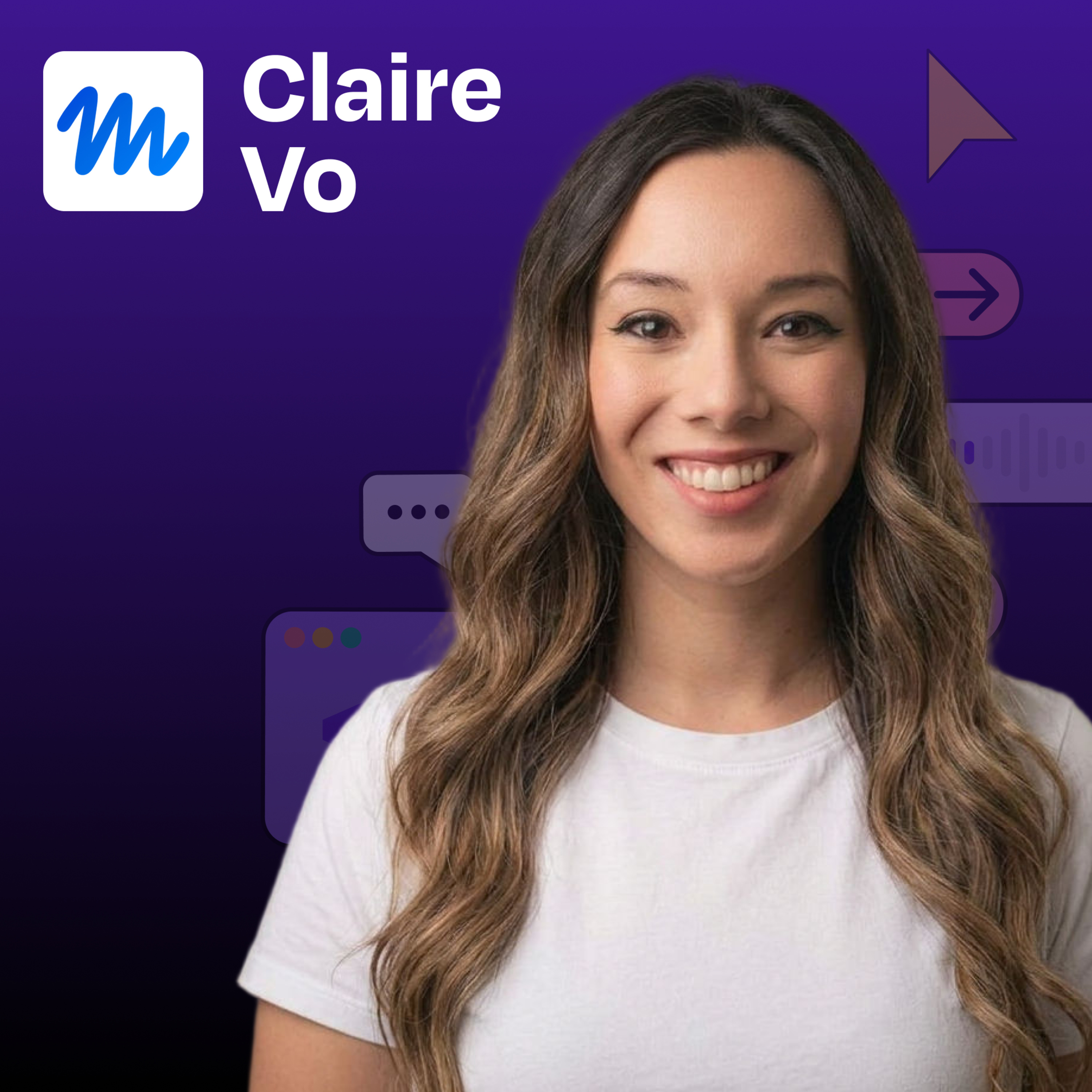 Muse review: The personal AI agent that gets consumer UX right 16.09.2026 37mI spent a few hours putting Meta’s Muse, its new personal AI agent, through a real first-pass test: onboarding, calendar management, goal setting, a one-shot family morning newsletter, browser-based shopping, and the animated avatar that honestly surprised me.What you’ll learn:Why Muse is the best-designed personal agent I’ve tested, and what specifically made it feel that wayThe one-shot family PDF Muse produced that Claude and Codex never quite nailedHow Muse’s permission model works, and why it’s different from every other agent I’ve usedWhy I set up a sleep training goal in Muse, and what...
-
 How Grok Bot designers use AI agents to build personal sites and product prototypes | John Bai & Peng Zheng 14.09.2026 41mJohn Bai and Peng Zheng are designers on the Grok Bot team at SpaceXAI, where they’re building one of the most talked-about AI products right now. John writes publicly about his design process (his piece “Designing Grok Bot with Grok Bot” has already made the rounds) and shares bot templates with the design community. Peng brings a product-design sensibility to personal tools, and his website doubles as a live demo of what he builds.What you’ll learn:How Peng built a self-updating personal website using Grok Bot as the entire backend pipeline, with no CMS and no Figma fileThe exact check-in bo...
Similar podcasts


Popular in
The podcast also appears in the podcast charts of these countries.
-
 Lithuania
-
 Paraguay
-
 Latvia
-
 Guatemala
-
 Mongolia
-
 Costa Rica
-
 Nepal
-
 Uruguay
-
 Kenya
-
 Oman
-
 Philippines
-
 Qatar
-
 Bolivia
-
 Peru
-
 Tajikistan
-
 Chile
-
 Slovakia
-
 Serbia
-
 Slovenia
-
 Bermuda
-
 Croatia
-
 Singapore
-
 Greece
-
 Hungary
-
 Moldova
-
 Sri Lanka
-
 Portugal
-
 Argentina
-
 Malta
-
 United Arab Emirates
-
 Uzbekistan
-
 Armenia
-
 Bulgaria
-
 Estonia
-
 Kuwait
-
 Luxembourg
-
 Romania
-
 Barbados
-
 Jordan
-
 Sierra Leone