
People Who Read People: A Behavior and Psychology Podcast
Zachary Elwood
0
This show helps you understand human behavior and psychology to better navigate personal and professional life and connect with people. Host Zachary Elwood, author of the Reading Poker Tells trilogy, interviews a wide range of guests including law enforcement, researchers, sports analysts, and mental health experts. The podcast emphasizes patience, nuance, and questioning simplistic assumptions. With over 200 episodes, it offers deep insights into real-world human behavior.
Episodes
-
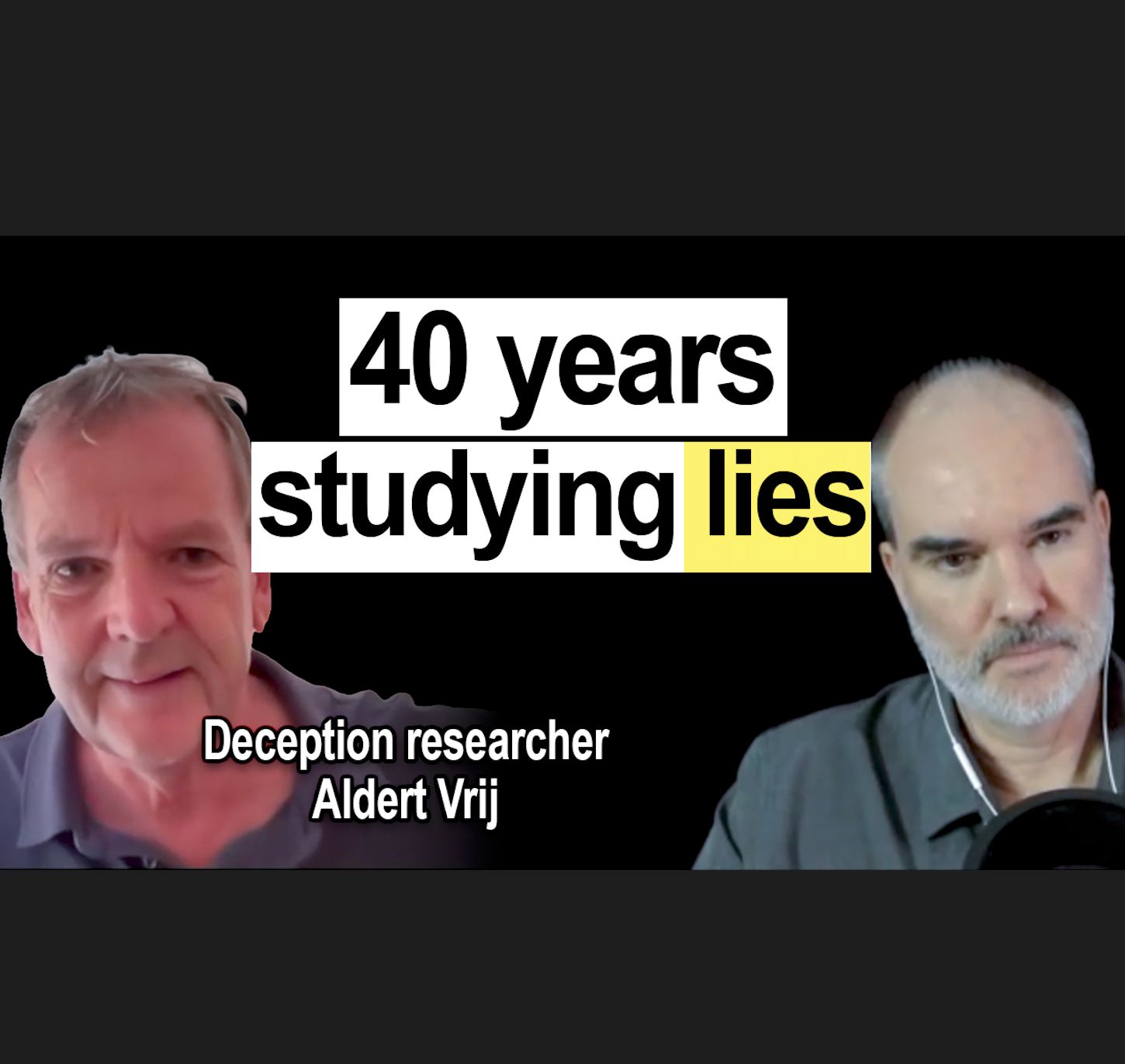 Renowned deception researcher Aldert Vrij on how to detect lies 21.11.2026 55mWhat actually works when it comes to detecting lies, and why are so many popular ideas about reading people and nonverbal behavior at odds with the scientific research? I talk with Aldert Vrij, one of the world's leading deception-detection researchers, who has spent almost four decades studying these topics. We discuss why what people say is far more revealing than their body language; why the perceived “sexiness” of reading nonverbal behavior has contributed to widespread myths and misconceptions; whether vocal behaviors like pitch, volume, and hesitation contain meaningful clues; and whethe...
-
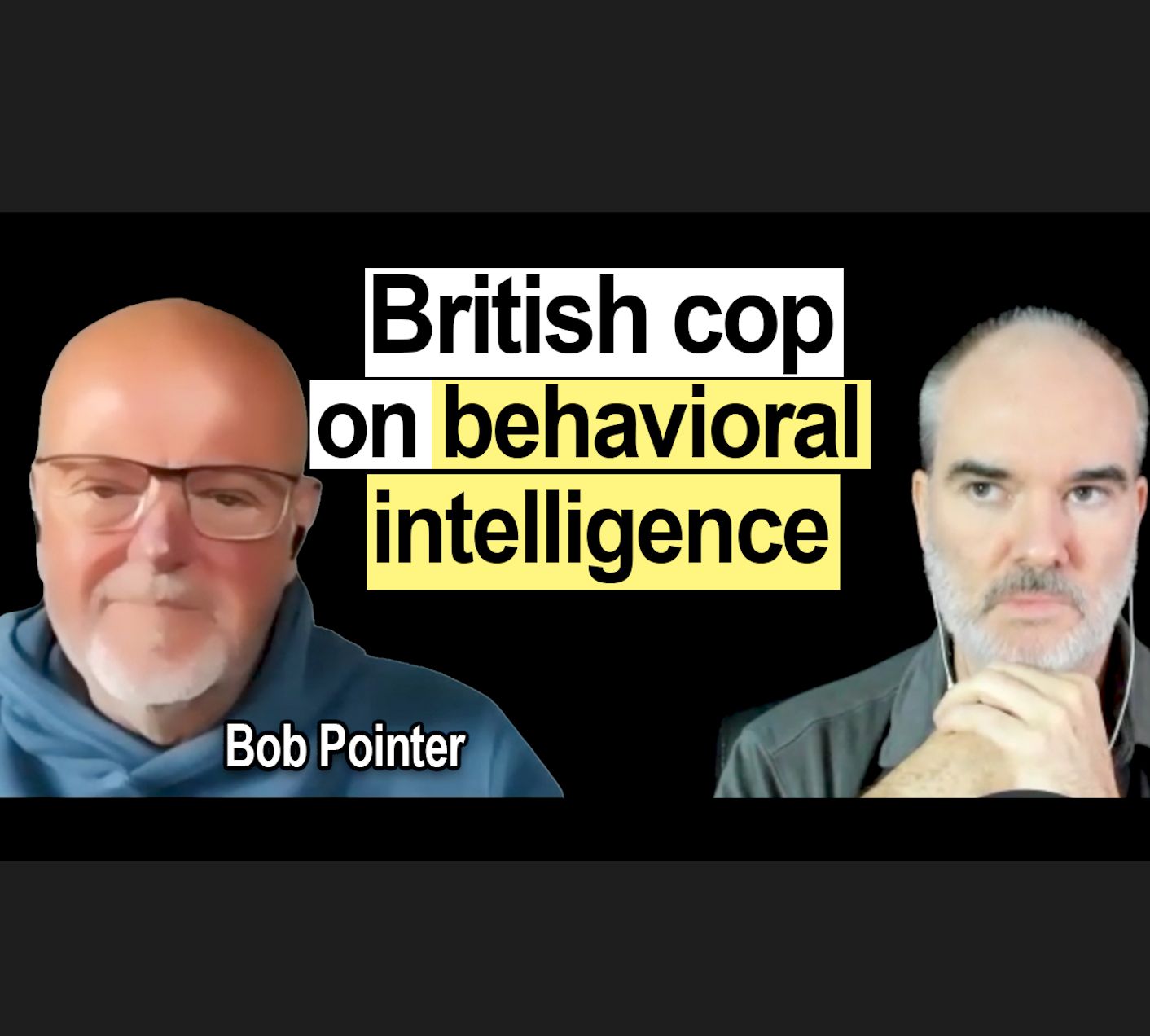 Ex-London cop on British interrogation strategies, celebrity behavior "experts," and baselining 15.11.2026 1h 16mWhat can an experienced police detective tell us about spotting lies, reading behavior, and getting people to open up? I talk with Bob Pointer, founder of the Behavioural Intelligence Academy (www.bi-ac.com). Bob is a former British police detective who has worked on fraud, counter-terrorism, and police corruption investigations. Bob shares stories from his career, including how British police used to learn interrogation techniques from TV shows, and how he was fooled by a fraud suspect. We discuss how police interviewing techniques have evolved, why even experienced investigators can struggle...
-
 Poker tells at the World Series of Poker, with $1.75M WSOP winner Rami Hammoud 07.11.2026 1h 14mRami Hammoud finished 6th in the 2026 World Series of Poker Main Event, winning $1.75 million. Before the final table, he hired me (Zach Elwood) to study poker tells/behavior in the footage of his opponents. In this talk, Rami shares the story behind his journey to winning a life-changing amount of money, including how he almost left Las Vegas before the Main Event began, and how a mindset of having nothing to lose helped him play fearlessly. He talks about how studying poker tells transformed his approach to the game, sharing specific hands where behavioral clues helped him make decisions—and...
-
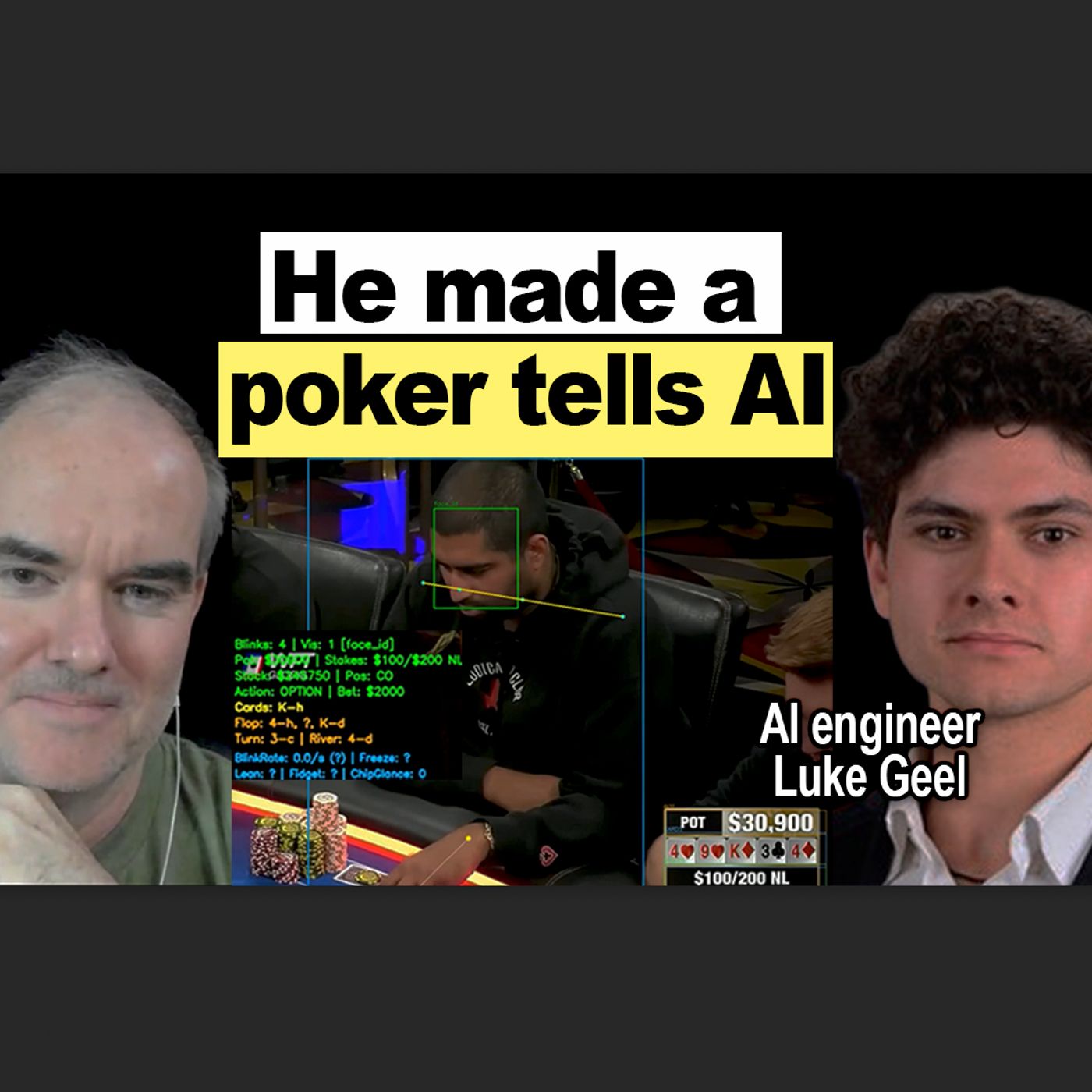 Luke Geel made an AI to read poker tells: How successful was it? 01.11.2026 1h 4mCan artificial intelligence learn to read poker tells and figure out when someone is bluffing? AI engineer Luke Geel (geelai.net) created software designed to do just that, and his work was featured this year on the TV coverage of the World Series of Poker Main Event. I'm the author of some poker tells books (readingpokertells.com), and when I first heard about this program, I wondered: what exactly is his program doing? And how well does it work? In this episode, Luke explains how he built and structured his program. We discuss what his software can actually do, and why teaching machines to r...
-
 The "Lie Guy" wrote a book on body language in interrogations — then changed his mind 17.10.2026 56mCan trying to read people's body language make investigators worse at finding the truth? Veteran interrogator and trainer Stan B. Walters, known as “the Lie Guy” (thelieguy.com) and author of “Principles of Kinesic Interview and Interrogation,” explains why he moved away from many of the nonverbal behavior ideas he once taught—and why he now focuses on listening to what people say. We discuss his and others’ research on telling lies from truth in real criminal interrogations, why bad ideas about nonverbal behavior and aggressive interviewing tactics persist in police training, and how investig...
-
 Pro slot machine player on gambling strategies, risks, the lifestyle, and more 11.10.2026 49mHow does someone make a living playing slot machines—and why would casinos let them? After joining professional gambler Chris Huang on a casino trip in Atlantic City, I talk with him about the unusual career of casino “advantage play” and how pro slot machine players capture the money left behind by other, less knowledgeable players. We explore why manufacturers create beatable machines, the psychological tricks that machine makers use to attract players, and the unethical actions some slot machine pros take to manipulate players into leaving profitable seats. Chris explains the risks pro slot...
-
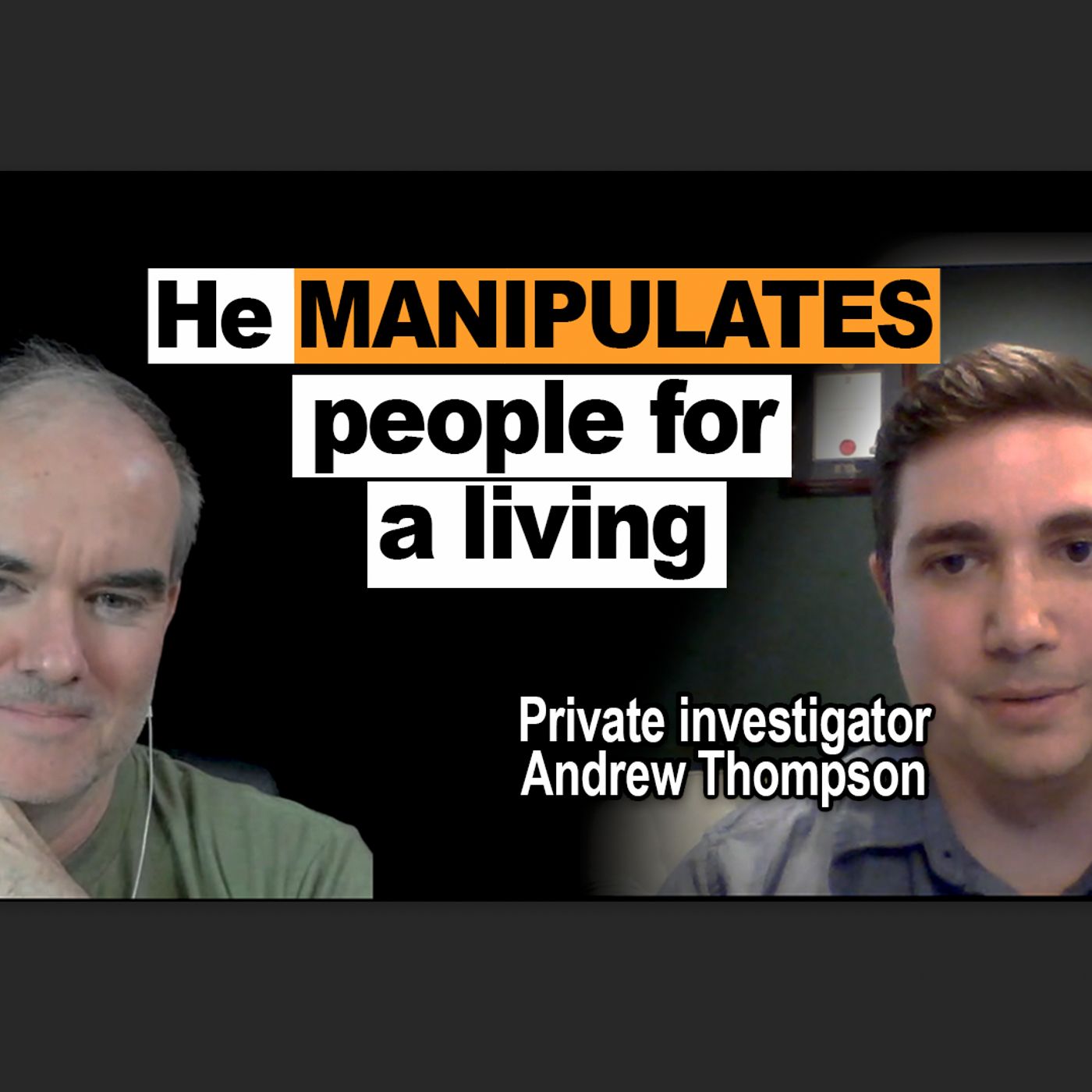 A private investigator's tips on reading and manipulating people 03.10.2026 1h 6mA talk with Andrew Thompson, a New York City-area private investigator and a researcher of criminal behavior. Andrew shares how he gets people talking while lacking the authority and command of a police badge, and what studying FBI crime cases and interrogations taught him about linguistic clues to deception in people’s stories. We also discuss his research into criminal psychological personality categories and how that may be tied to linguistic patterns. We discuss how mistaking signs of anxiety for guilt or deception can send investigators down very wrong paths; and how aggressive questionin...
-
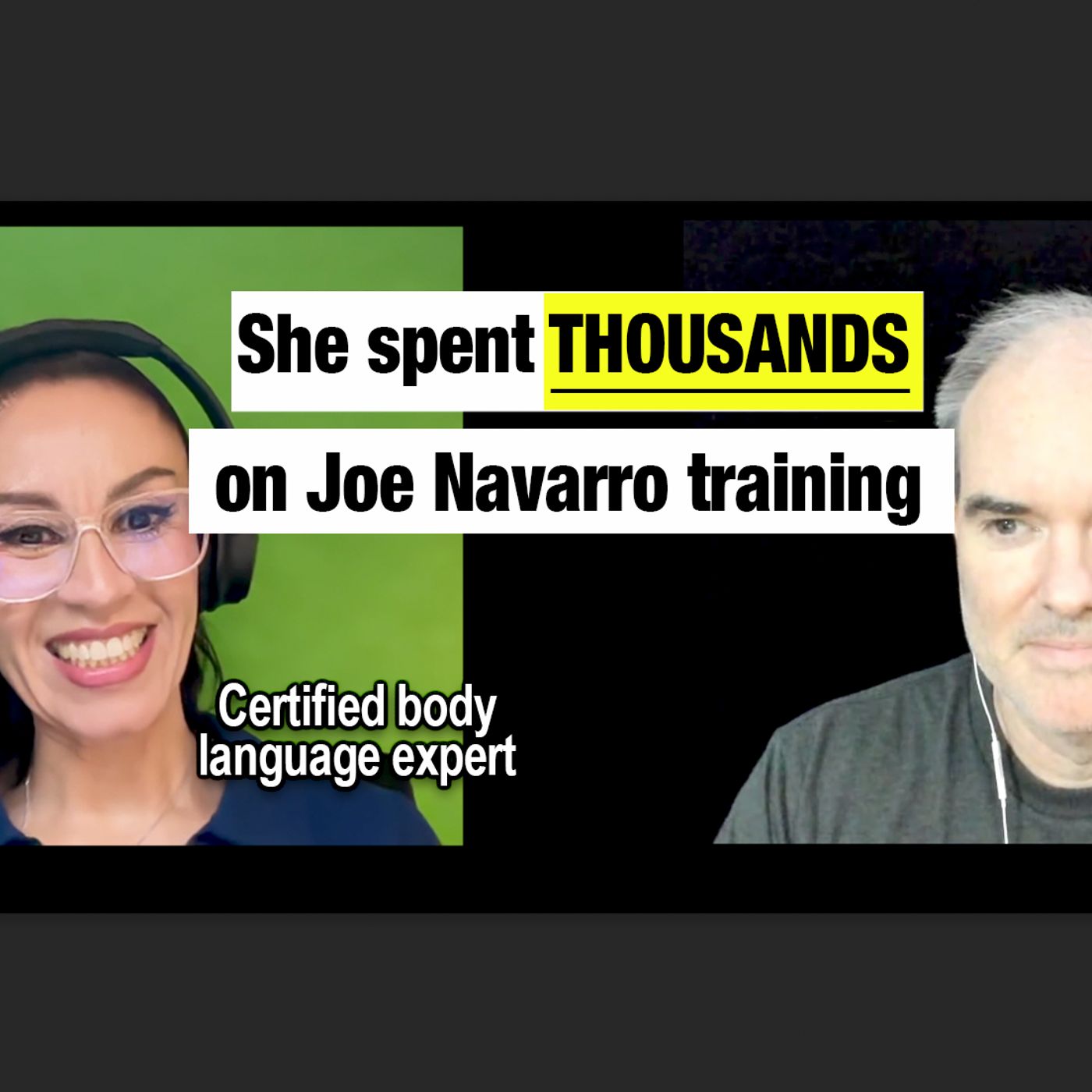 She’s certified by Joe Navarro in body language: How has it helped her? 27.09.2026 44mOn this podcast I sometimes explore the “behavior expert” industry. One thing I'm curious about is the value people say that they’ve received from “behavior expert” trainings and certifications. This is a talk with Gallia Winkler, a psychological coach and a behavioral student of Joe Navarro’s; she’s been certified in his Body Language Expert Program. I ask her about what drives her interest in nonverbal behavior, what value she believes she’s gotten from Navarro's teachings, and how those teachings have helped her in her personal and professional life.
-
 A critical look at Paul Ekman, Joe Navarro, and the entire "behavior expert" industry 20.09.2026 1h 54mA talk with former CIA officer Kent Clizbe about the exaggerated, irresponsible claims made by many self-described “behavior experts,” focusing especially on Paul Ekman, Joe Navarro, microexpressions, and attempts to detect deception from body language. We discuss why facial expressions and physical movements cannot be interpreted through a universal dictionary, how cultural and individual differences make behavioral judgments especially difficult, and why nervousness or discomfort is rarely meaningful evidence of guilt or deception in high-stakes situations. We examine the failed TSA SPOT pro...
-
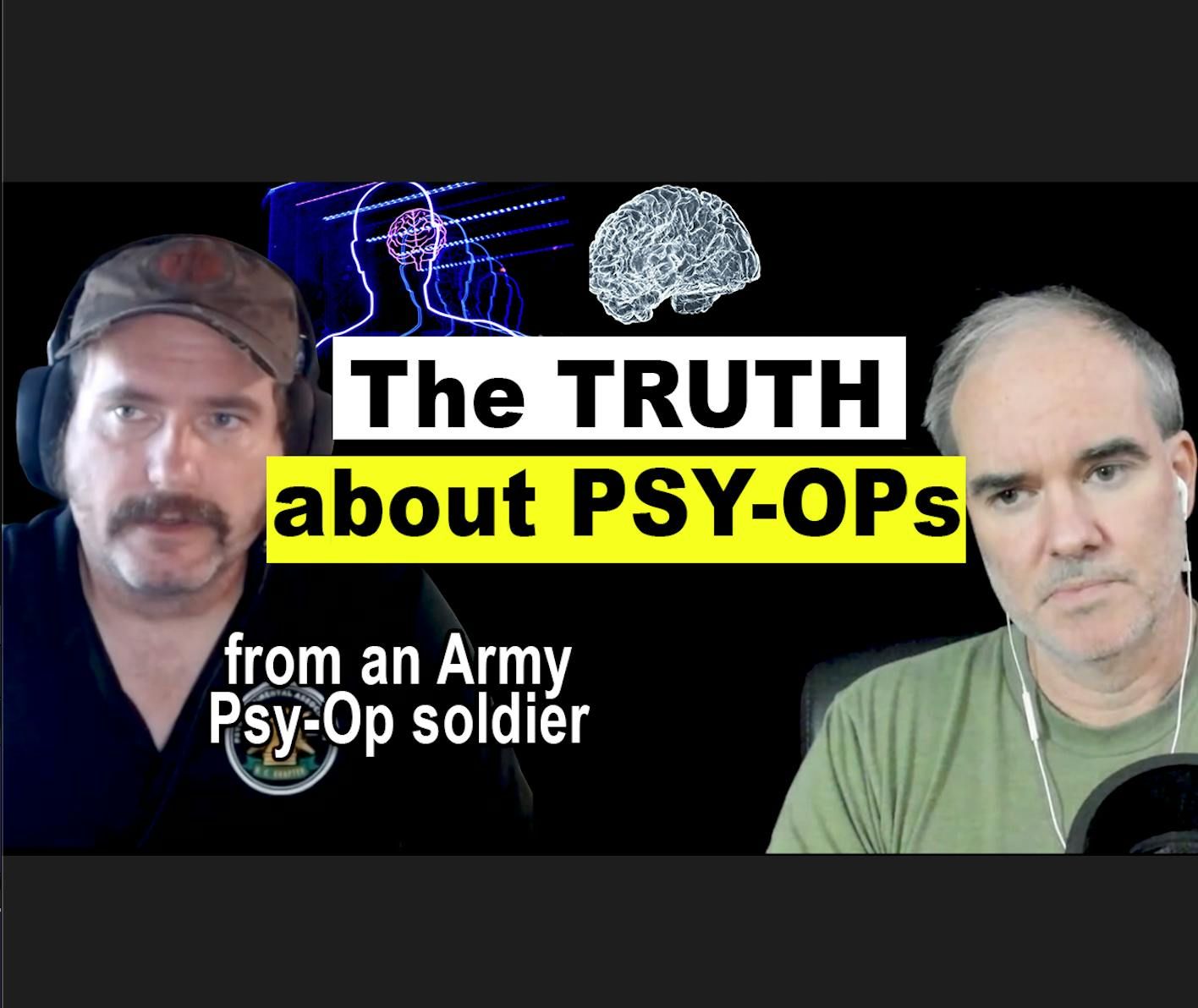 Army Psy-Op veteran talks influence, blowback, psy-op myths, and more 28.08.2026 1h 28mA talk with an Army Psychological Operations soldier about what military psy-op work really involves—and how different the reality is from many people's ideas about the nature of that work. We discuss his psy-op work in Afghanistan, why credibility and truth are usually much more persuasive and effective than deception, and fascinating historical operations involving surrender appeals, staged intelligence, and Vietnam’s eerie “ghost tapes.” We also explore the legal and ethical limits on influencing Americans, how social media has blurred those boundaries, how foreign influence campaigns explo...
-
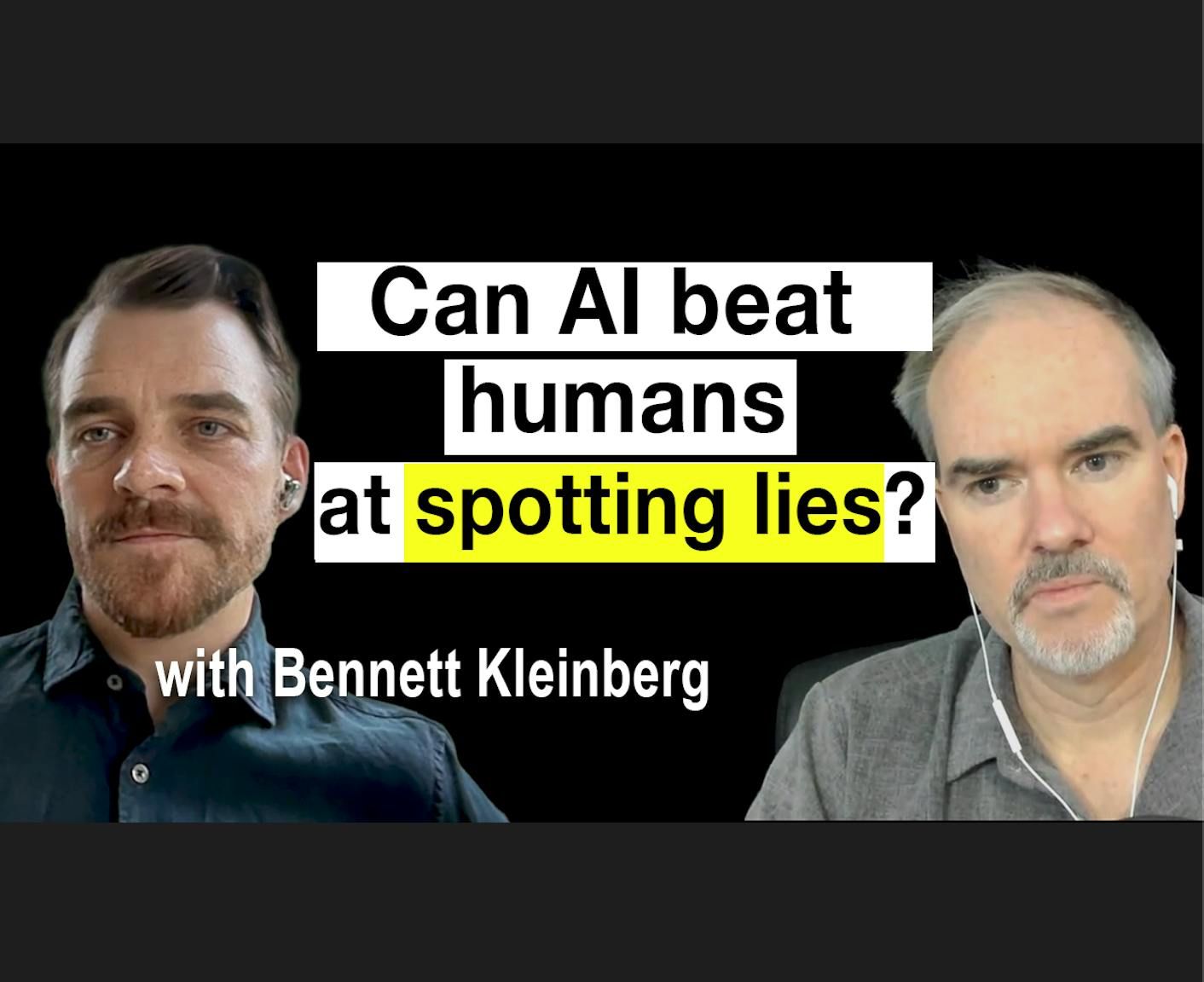 Can computers spot lies better than humans?, with Bennett Kleinberg 12.08.2026 1hCan machines spot a lie better than we can? I talk with psychology researcher Bennett Kleinberg, whose work brings together psychology, machine learning, natural-language processing, and deception detection. We explore why humans are bad at identifying lies, which verbal clues may reveal deception—and why nervousness is often misleading. Bennett explains how liars use detail and how level of detail can be a clue to deception, the fact that deception usually involves a good amount of truth in the mix and what that means, and what happens when human judgment is combined with AI. We also discuss...
-
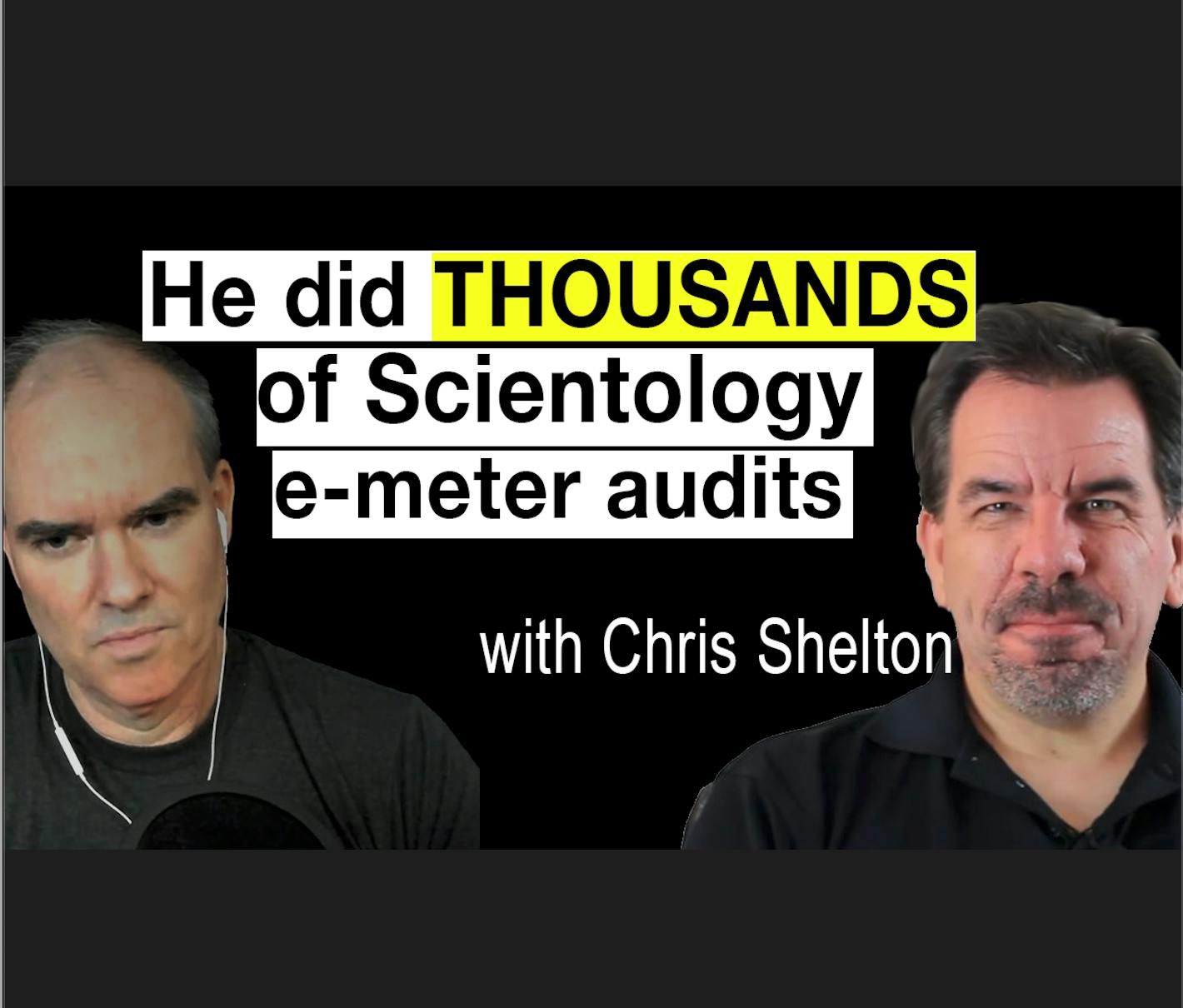 Inside a Scientology e-meter auditing session, with Chris Shelton 02.08.2026 1h 23mFormer Scientologist Chris Shelton spent thousands of hours using the e-meter to "audit" fellow members of the Church—but what does the device actually measure, and why do Scientologists trust it as an infallible guide to the truth? Chris takes us inside a typical auditing session, explaining the personal questions auditors ask, the needle movements they watch for, and what they believe those reactions reveal. We compare the e-meter with the polygraph, explore how relentless questioning can produce false memories and confessions, and examine how auditors can sincerely believe they are helping...
-
 How Pete Blair scored 100% in a deception detection study 24.07.2026 1h 3mIn a 2014 deception detection study, Pete Blair made 33 judgments—and got all 33 right. That paper was titled “Expertise in deception detection involves actively prompting diagnostic information rather than passive behavioral observation.” I ask Pete about what the factors were in him getting 100% accuracy in that study, and we talk about the interplay between verbal and nonverbal behavior. Pete talks about the importance of context and domain knowledge in making high-confidence judgments, and he discusses how such insights will sometimes be based on aspects that we aren’t consciously aware of...
-
 Behaviorally, poker and interrogations are very different 10.07.2026 49mZach Elwood, author of influential books on poker tells and host of the People Who Read People podcast, joins The Deductionist podcast for a wide-ranging conversation about what we can and can't learn from human behavior. Drawing on his years studying poker tells and consulting for high-stakes players, Zach explains why reading behavior in structured games like poker is fundamentally different from reading people in real-world situations like interrogations, negotiations, or everyday conversations. The discussion explores why nonverbal behaviors are almost always far less informative than what...
-
 Understanding defenses of the polygraph, with David Goldberg 01.07.2026 1h 19mPolygraphs are a controversial tool in criminal investigations: critics argue they're too unreliable to trust, while proponents say that, even if they’re not perfect, they nonetheless can play a valuable role in helping uncover the truth. I talk with veteran polygraph examiner David Goldberg (executiveprotectiongrp.com), who has conducted more than 20,000 examinations over a 30-year career and who believes that, in the hands of a highly skilled examiner, polygraphs are far more accurate than most people realize. We discuss why he thinks innocent people should see nothing to fear when taking a...
-
 The push for science-based interrogation approaches, with Maria Hartwig and Christian Cory 20.06.2026 53mIn real or fictional criminal interrogation scenes, you've probably seen the approach where police barge in and confront the suspect with the evidence, trying to get them to crack and give a confession. In this talk, Maria Hartwig and Christian Cory explain why that doesn’t work well, and why a strategic use of evidence (SUE) approach, involving planning out the reveal of evidence, gets much better results. Maria is a well known researcher and trainer of criminal interviewing, and Christian is a 26 year law enforcement veteran. I talk to them about their and others' attempts to promote more sc...
-
 Reading behavior in The Traitors and other social deduction games, with Zack Davies (UK season 2) 13.06.2026 1hZack Davies was a standout contestant on the popular reality TV show The Traitors (UK, season 2). The Traitors is what is called a social deduction game, similar to the games Werewolf and Mafia. In this talk we examine psychological factors and behavioral clues that can shape players' perceptions and decisions in this game. We discuss how friendships and rivalries can negatively affect people’s judgment. We talk about behavioral clues; for example, why it is that unusually expressive, exuberant behavior is a clue that someone is a Faithful (i.e., a “good guy”). We talk about social deduction g...
-
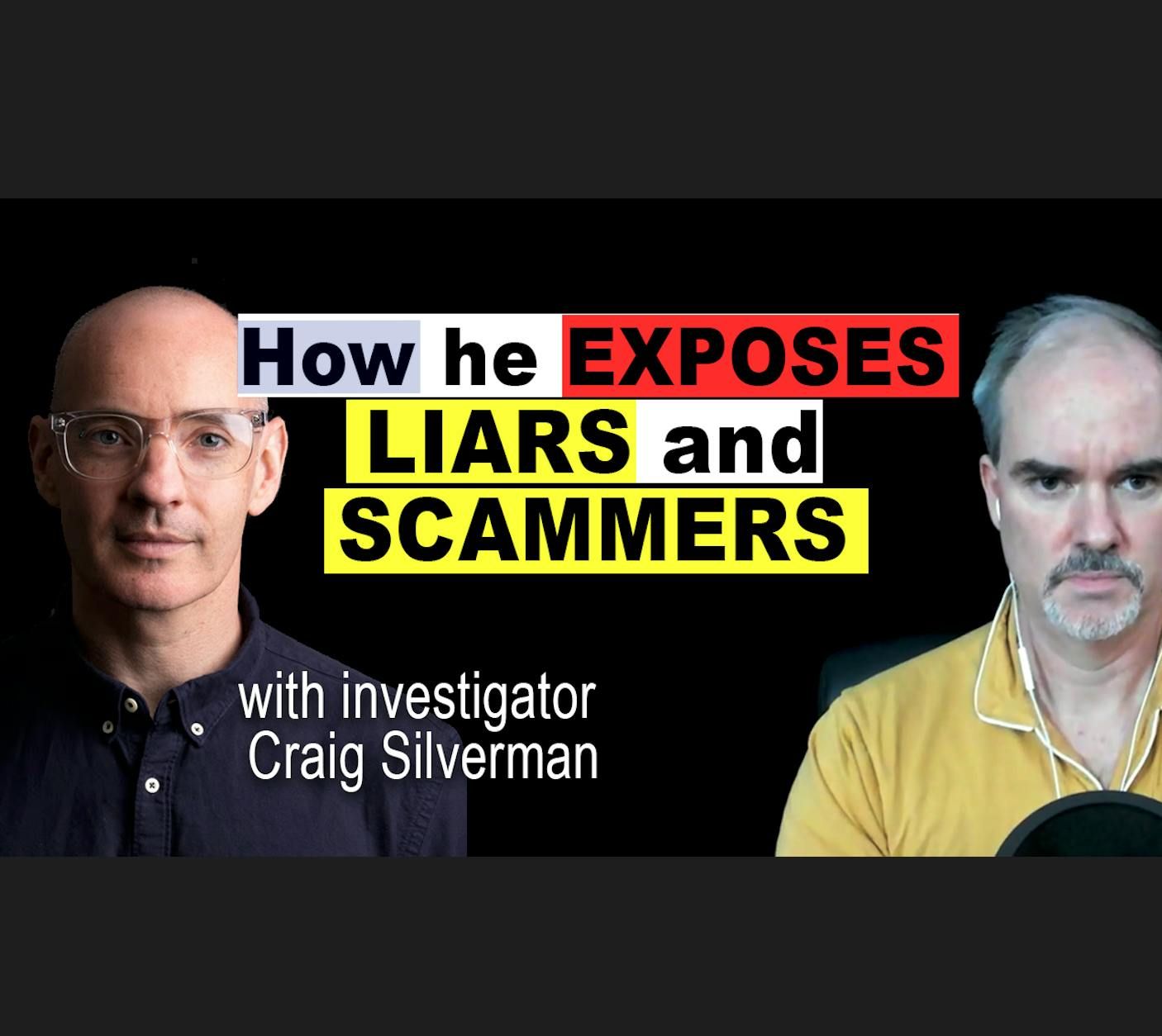 How digital investigators expose lies and find truth, with OSINT pro Craig Silverman 05.06.2026 58mHow do digital/open-source investigators uncover hidden truths and expose lies? World-renowned digital sleuth Craig Silverman shares important lessons he's learned from years spent exposing scammers, fake-news operators, fraud networks, and online deception. We discuss: the techniques investigators use to track anonymous people through seemingly insignificant clues; why stepping away from a case can be more productive than obsessively chasing leads; and how confirmation bias can derail even experienced investigators. Craig recounts the story of how he identified the anonymous creator behind th...
-
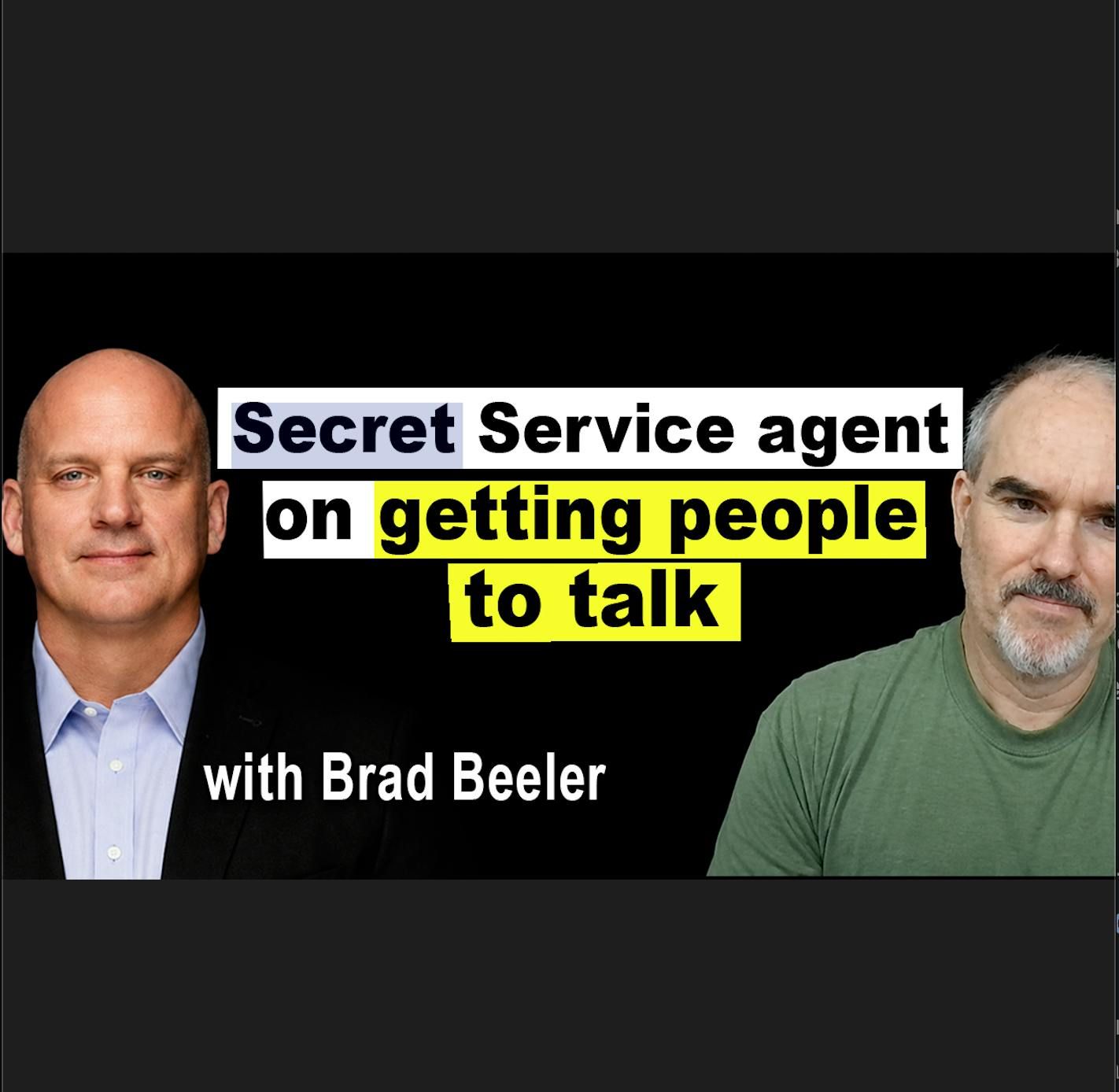 Secret Service agent on building rapport, reading people, and polygraphs | Brad Beeler 30.05.2026 1h 6mHow much can we really learn from people's words and behavior—and where do we risk fooling ourselves? In this talk, former Secret Service agent and polygraph examiner Brad Beeler explores the practical realities of interrogations, deception detection, statement analysis, and reading people in high-stakes situations. We discuss why confirmation bias is such a threat to good investigations, why many popular body-language claims are overstated, and how investigators might make use of subtle behavioral clues without becoming wrongly overconfident in them. Brad shares stories from criminal investig...
-
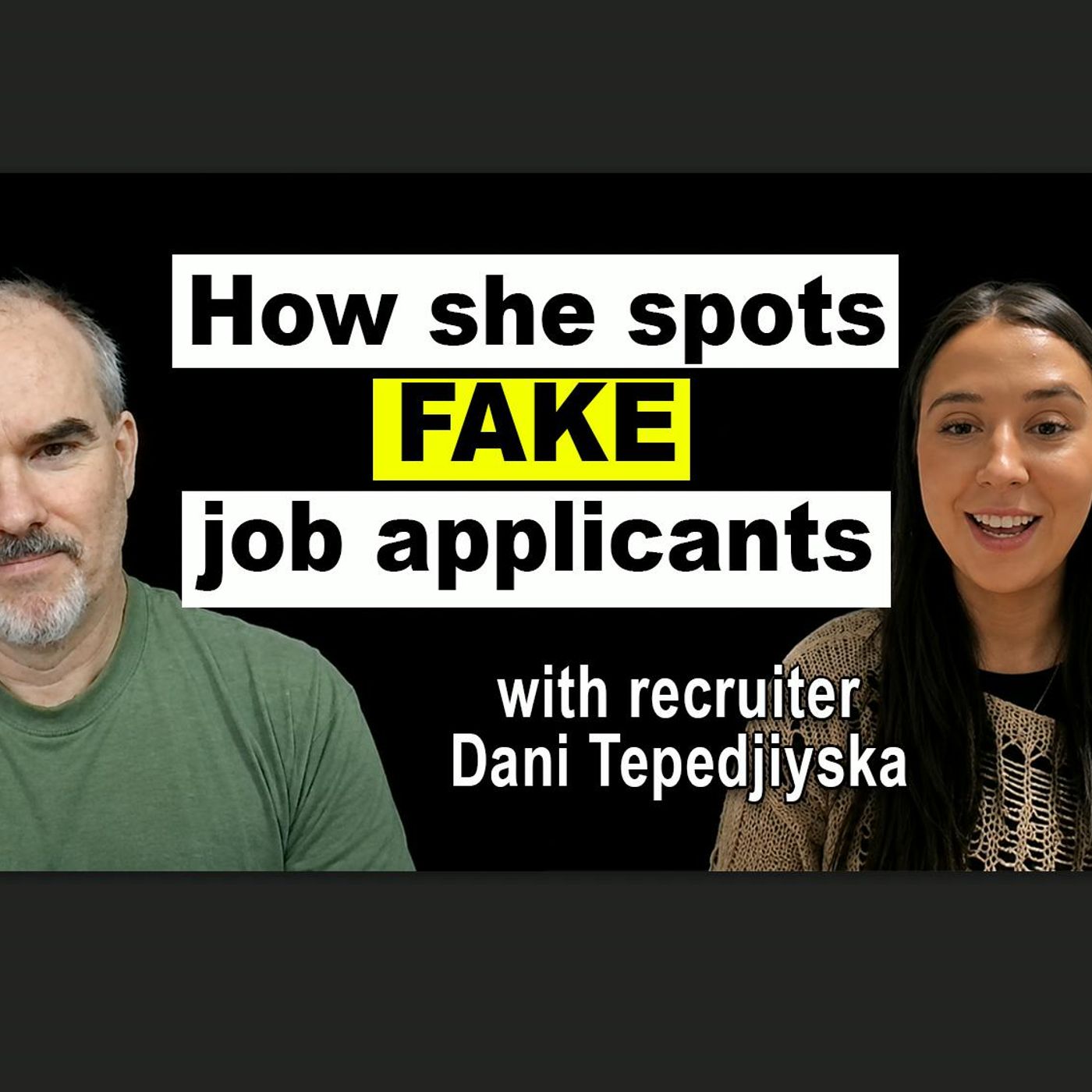 How recruiters spot fake, deceptive job applicants, with Dani Tepedjiyska 15.05.2026 53mWhat if some job applicants aren’t actually trying to get jobs — but are instead trying to infiltrate companies? Dani Tepedjiyska, who works with the recruitment firm Michael Page, describes a strange and growing world of fake resumes, organized applicant networks, AI-assisted interviews, and suspicious staffing firms that may be helping fraudulent actors gain access to banks and other financial institutions. We talk about the real-world signs she’s seen while interviewing deceptive candidates — from people secretly receiving answers during interviews to applicants who suddenly crack under sim...
Similar podcasts


Popular in
The podcast also appears in the podcast charts of these countries.


