
Y Combinator Startup Podcast
Y Combinator
0
The Y Combinator Startup Podcast features conversations with Y Combinator partners and founders about building startups. Topics range from the earliest stages of an idea to scaling a company that changes the world. The podcast shares real stories, lessons, and tactics from the frontlines of entrepreneurship.
Episodes
-
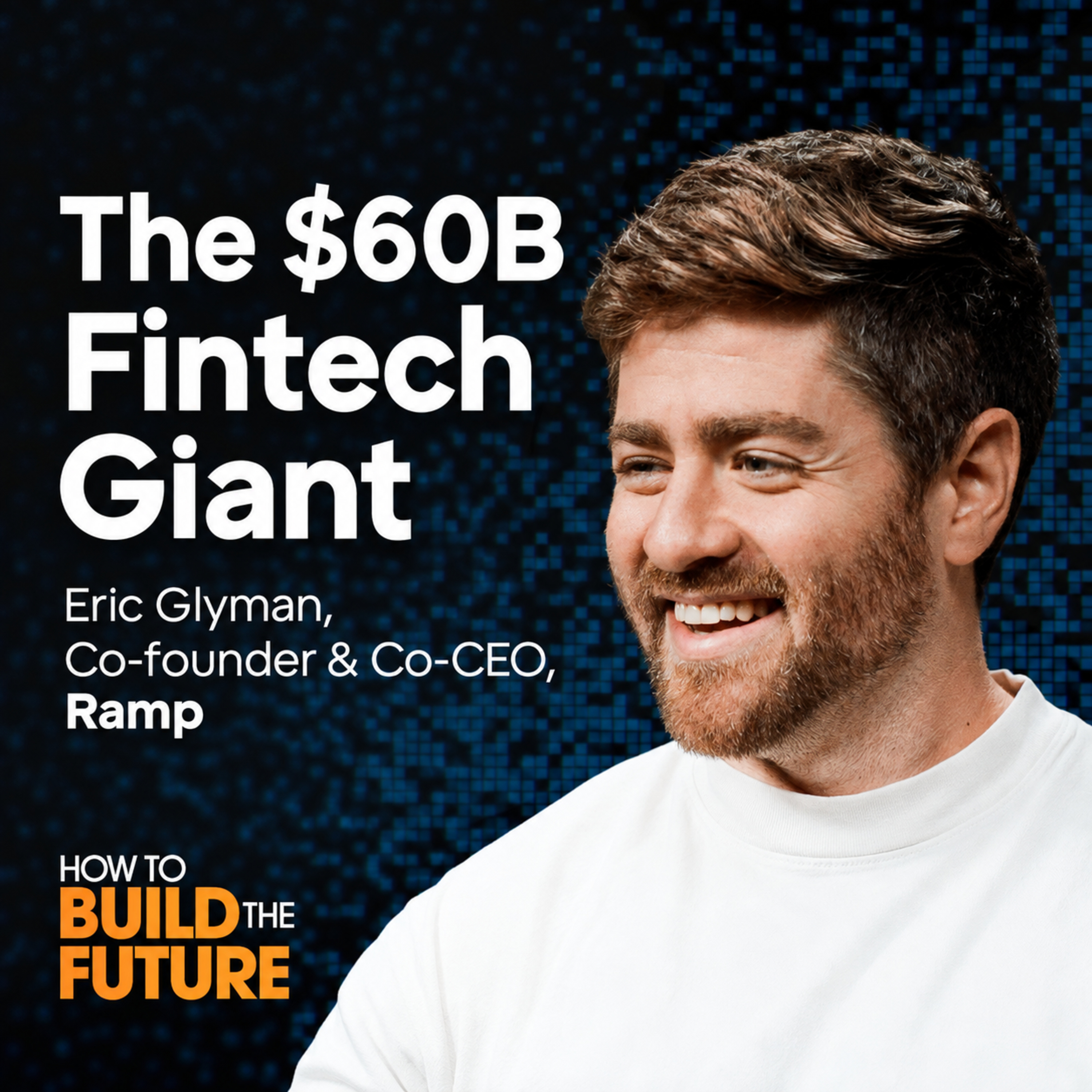 How To Build The Future: Eric Glyman, Co-CEO of Ramp 18.11.2026 54mRamp started with a simple promise: help companies save time and money. Seven years later, it’s a $60 billion platform running the financial operations of tens of thousands of businesses, with more than $2 billion in annual revenue.Now, Ramp is using AI not just inside its products, but to rethink how the company itself works.On this episode of How to Build the Future, Ramp co-founder and CEO Eric Glyman joins Garry Tan to talk about the company’s journey from its earliest days and how AI has made some people at Ramp radically more productive. That shift led Ramp to rethink how work gets done...
-
 The Rise Of AI Coworkers 16.11.2026 1hAt SpaceXSI, Lauren Tan and Roman Ugarte are on the core team that took Grok Bot from first line of code to launch in seven weeks. It lets you spin up AI teammates with their own identities and logins, and they just keep working in the background. Their marketing team gave a bot its own ad budget. Lauren built an entire feature with her bot in one Slack thread without ever opening Cursor. They joined us on the Lightcone to talk about what it’s actually like working next to bots every day, and how the hard part is shifting from doing the work to figuring out what to do and why.
-
 How To Build The Future: Paul Graham & Amjad Masad 07.11.2026 44mReplit was building toward the AI coding era years before it had a name. In 2024, the company shipped an agent that could take a request in plain English, work through errors, provision its own infrastructure, and keep going until the software actually worked. The model companies even reached out to ask how Replit had pulled it off.Co-founder and CEO Amjad Masad had been thinking about making programming radically more accessible since 2008, and Replit’s original pitch deck predicted AI-generated code before the Transformer paper was published. Today, that same technology is moving into banks,...
-
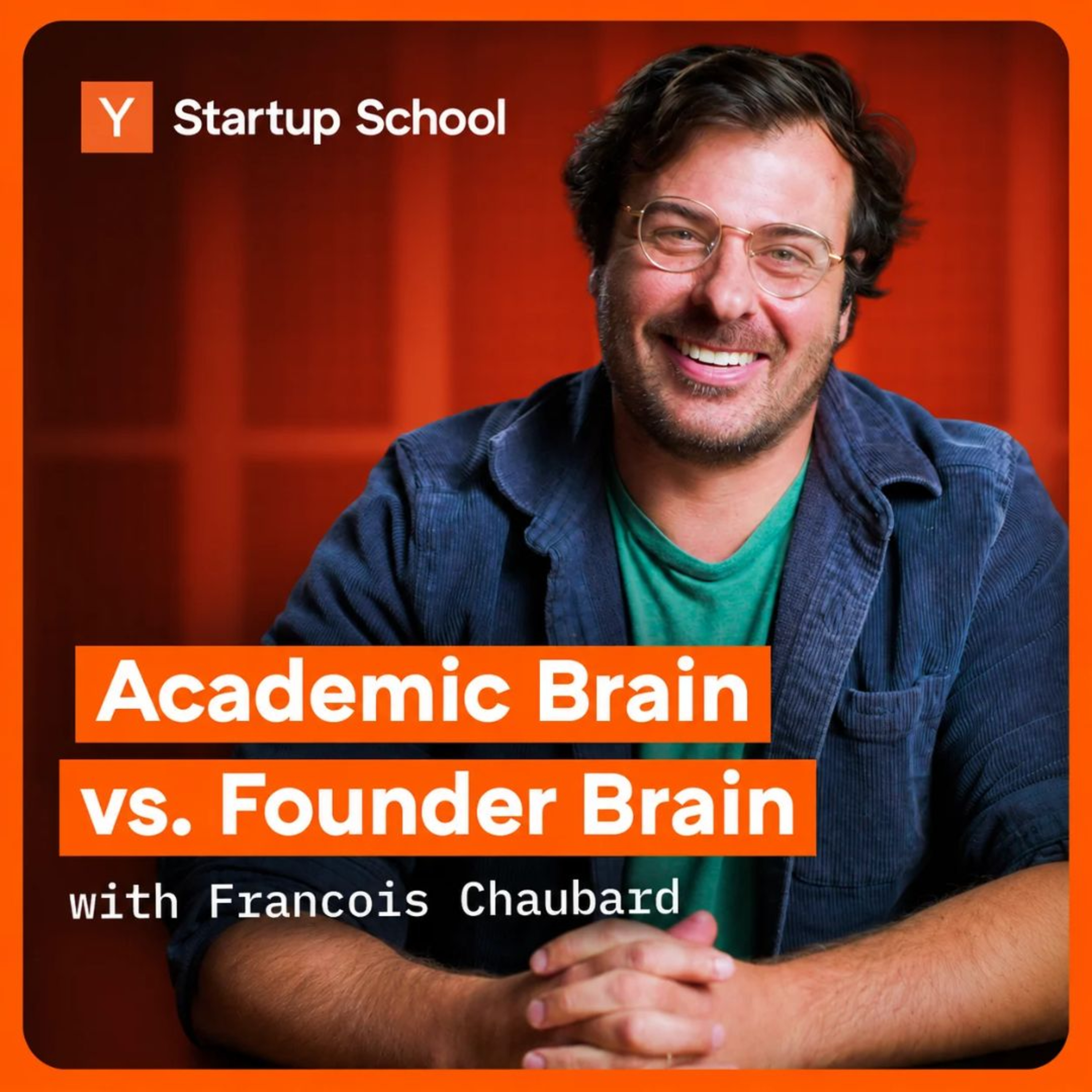 How To Go From Researcher to Founder 04.11.2026 9mGoogle, Anthropic, and Databricks were all started by founders with PhDs. But they’re exceptions to the rule. Many of the instincts that help researchers succeed in academia can often work against them when building a startup.YC Visiting Partner Francois Chaubard knows both worlds. He’s currently a PhD student, previously did research in Fei-Fei Li’s lab, and founded and ran Focal Systems (W16).In this episode of Startup School, Francois breaks down 10 mindset shifts researchers need to make to become formidable founders, from learning to thrive without grades or deadlines to distinguishing in...
-
 What Happens When Everyone Can Build Software 30.10.2026 48mSupabase has become one of the default backends for the AI coding era. The open source Postgres platform now has 13 million users, spins up more than a million databases every week, and roughly 70% of its new activity is coming from agents.As coding shifts from developers writing software by hand to agents building on their behalf, Supabase has been rebuilding itself around that new user.Supabase co-founder and CEO Paul Copplestone joins Garry, Harj, and Jared on the Lightcone to talk about what happens when everyone can become a builder. They dive into why personal software may become as comm...
-
 The New Full-Stack Designer 28.10.2026 1h 5mMarvin Schwaibold leads the product design studio at Shopify, where his team is rethinking some of the company’s most important products for the AI era. Before Shopify, he co-founded the design studio Molly, working with companies including Apple and Google and building a reputation for highly crafted, interactive design.In this episode of Design Review, Marvin joins YC’s Aaron Epstein to show how AI has changed his process, from using Figma as a scratchpad to building working prototypes directly with tools like Codex. He explains why designers are becoming more like editors, how AI is making...
-
 This Is How You Should Actually Make Launch Videos 23.10.2026 47mThere’s a misconception that a successful launch video needs to cost tens of thousands of dollars and feel like a high-production commercial. But Farza Majeed has a different approach.Farza is the founder of Clicky and previously built Buildspace, one of the largest online schools for people working on their own ideas. He’s been making videos for over a decade, and today his posts regularly get millions of views. Rather than treating launches as rare, high-stakes moments, he’s made them part of the everyday process of building a company.Farza sat down with YC’s Aaron Epstein to share his playb...
-
 How To Stand Out In A World Of AI Designs 22.10.2026 47mMagic Patterns (YC W23) is one of the fastest-growing design tools in AI, helping product teams turn ideas into interactive, code-backed prototypes in minutes. Alex Danilowicz and his co-founder, both front-end engineers, built Magic Patterns to solve a problem they had themselves: finding a better way to turn ideas into something visual. They were among the first teams building prompt-to-design tools back in 2023.In this episode of Design Review, Alex joins YC’s Aaron Epstein to demo Magic Patterns and its new MagicOS canvas, where teams can bring together prompts, images, PRDs, and other con...
-
 Robot-Use Agents: Why General-Purpose Models May Win in Robotics 26.09.2026 29mOne of the biggest surprises in AI over the last few years has been how well coding agents generalize beyond software. In a recent essay, MIT professor Philip Isola argued that we may be entering the era of robot-use agents: general-purpose models that can control different robots, write policies, and learn new physical tasks with little or no robot-specific training.In this episode of Decoded, we're joined by the founders of Waddle Labs and RoboCurve, two of the startups whose work helped drive this realization. They're working at the frontier of using general-purpose models to control robots...
-
 The State of Startups in 2026 18.09.2026 36mYC works with thousands of founders every year, which gives us an early look at how startups are changing. Right now, the shift is striking: startups are moving from bits to atoms, nearly one in five YC companies has a solo founder, and companies are reaching meaningful revenue faster than ever.In this episode of The Lightcone, Garry, Jared, Diana, and Harj dig into what’s driving these changes and what they mean for founders. They discuss how AI is making it possible for smaller teams to take on more ambitious problems, why experienced founders are having a resurgence, and why knowing what to...
-
 8 Ways To Improve Your Outbound Sales 13.09.2026 12mThe best outbound starts before you automate anything. Founders need to learn who actually has the problem, what gets their attention, and what makes them reply. YC Visiting Partner Christina Gilbert recommends doing at least your first 100 outreaches by hand so you can learn those things yourself.Drawing from her experience generating and closing millions of dollars through founder-led sales at OneSchema, Christina shares eight ways founders can improve their outbound, from targeting the right people and writing emails worth reading to following up, debugging low reply rates, and using custom...
-
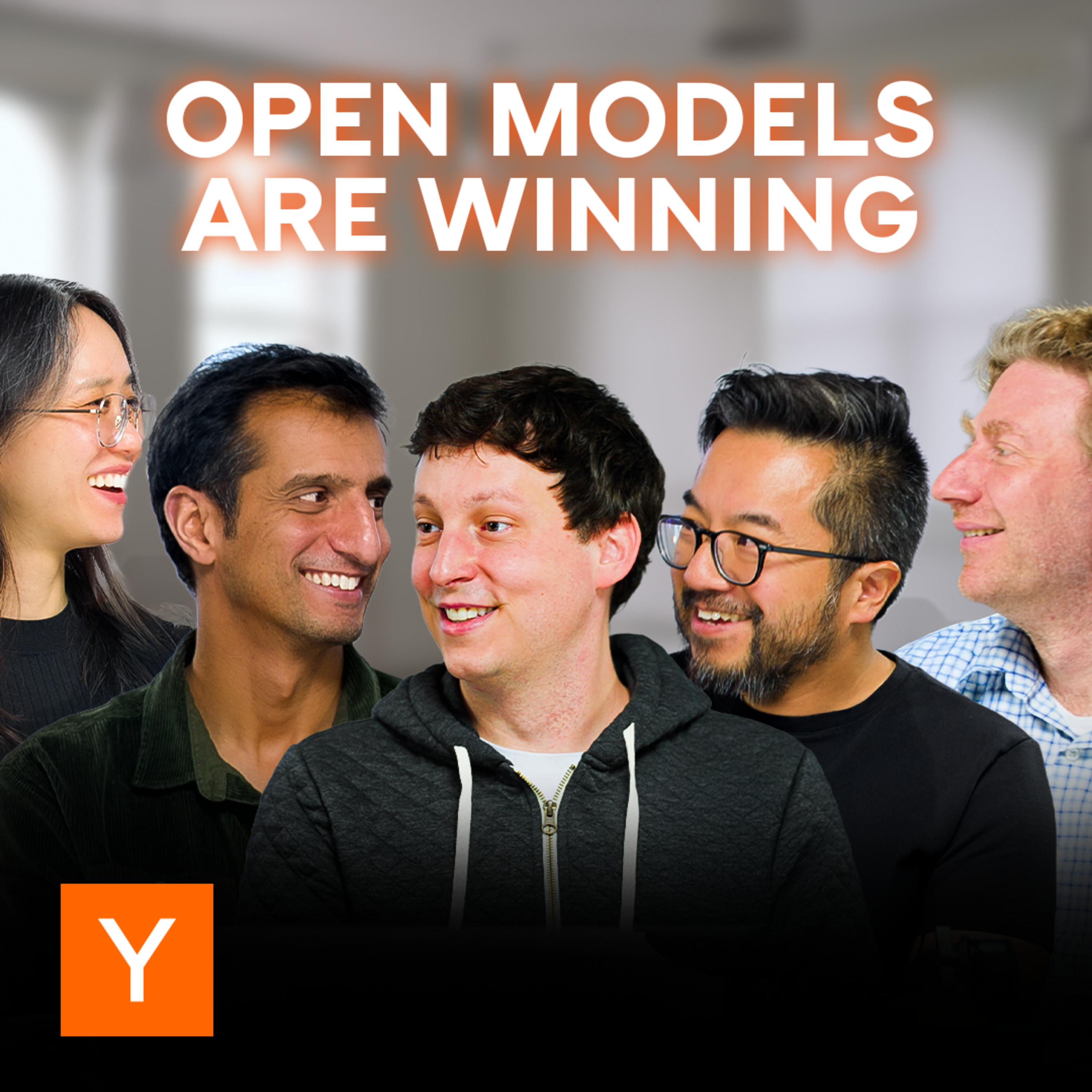 Open Models Change The Economics of AI 12.09.2026 57mOllama (YC W21) is used by 9 million developers and 85% of the Fortune 500, giving co-founder and CEO Jeffrey Morgan a unique view into which AI models people are actually using and how that’s changing.Right now, the biggest shift he sees is toward open models, driven by coding agents, falling costs, and capabilities that are rapidly catching up to the frontier labs. On Ollama Cloud, that shift has driven a 150x increase in token usage since the start of the year.In this episode of the Lightcone, Jeff joins us to talk about the future of open models and the story behind Ollama, from two years...
-
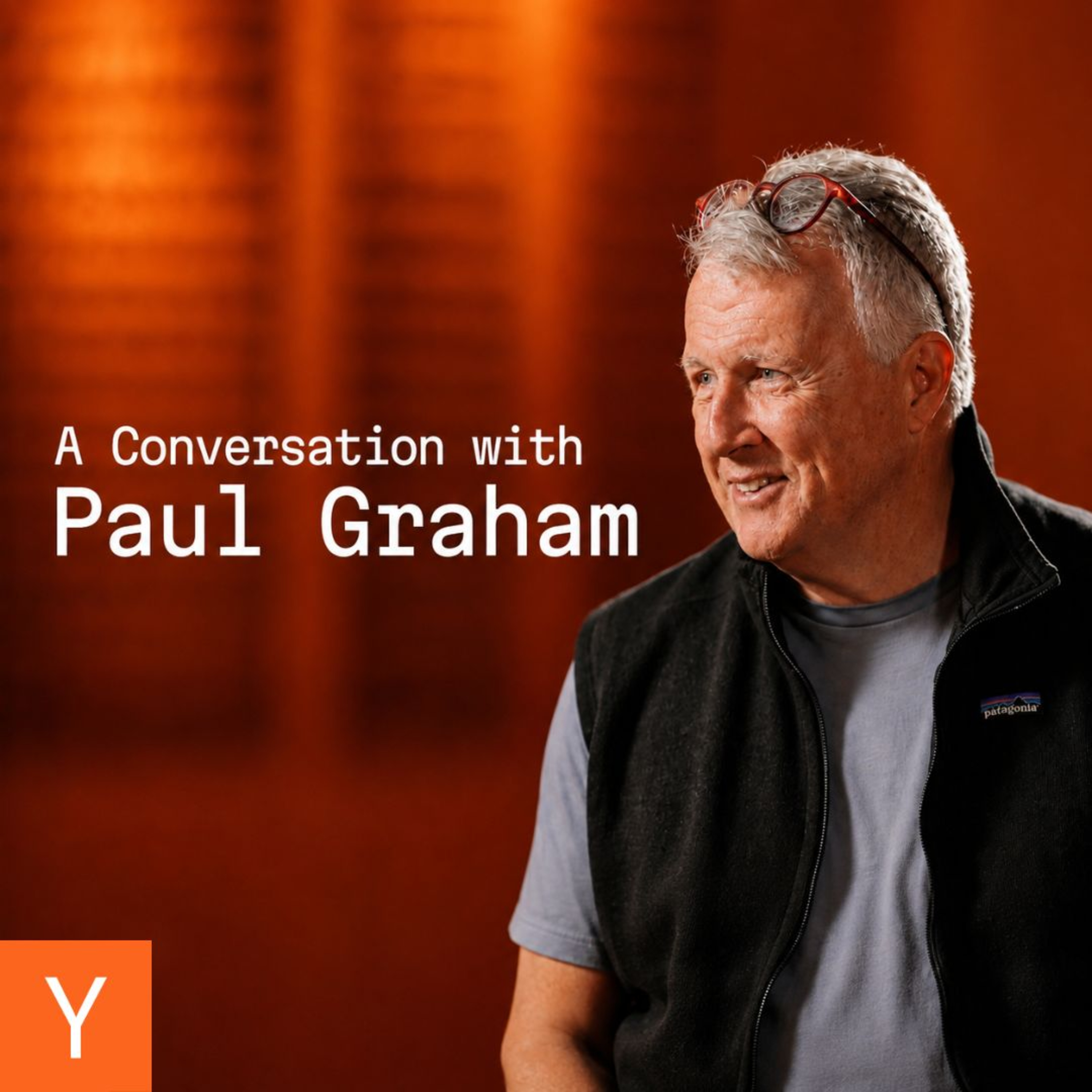 Paul Graham On Startups, Ambition, and Great Founders 05.09.2026 21mYC Visiting Partner Vivian Shen sits down with Paul Graham at the original YC office in Mountain View to talk about startups, AI, ambition, and what makes great founders.
-
 The World’s Largest Electric Aircraft Just Flew 04.09.2026 14mHeart Aerospace (YC W19) just flew the largest electric airplane ever flown — a 100-foot wingspan, a takeoff weight of 25,000 pounds, and $5 of electricity to get it off the ground.In this episode of Hard Tech, YC's Gustaf Alströmer visits Heart's pilot plant in LA and sits down with co-founder and CEO Anders Forslund to find out how they went from a 3D-printed model to a full-scale electric aircraft in seven years, why the jet engine has left short flights behind, and what cheap electric flight could unlock for the future of regional air travel.
-
 Max Junestrand: You Need The Willingness To Learn Faster Than Anyone Else 29.08.2026 59mToday, more than 3% of the world’s lawyers use Legora, and the company has grown from $1 million to $100 million in ARR since launching in October 2024.At Startup School 2026, Legora co-founder and CEO Max Junestrand shares how they built one of the fastest-growing enterprise software companies in the world, from cold emailing lawyers and moving into a customer’s office to freezing sales for six months to rebuild the product. He explains why building a company is ultimately about people, how to create a culture that wants to win, and why founders have to learn to love the hustle.Transcript: ht...
-
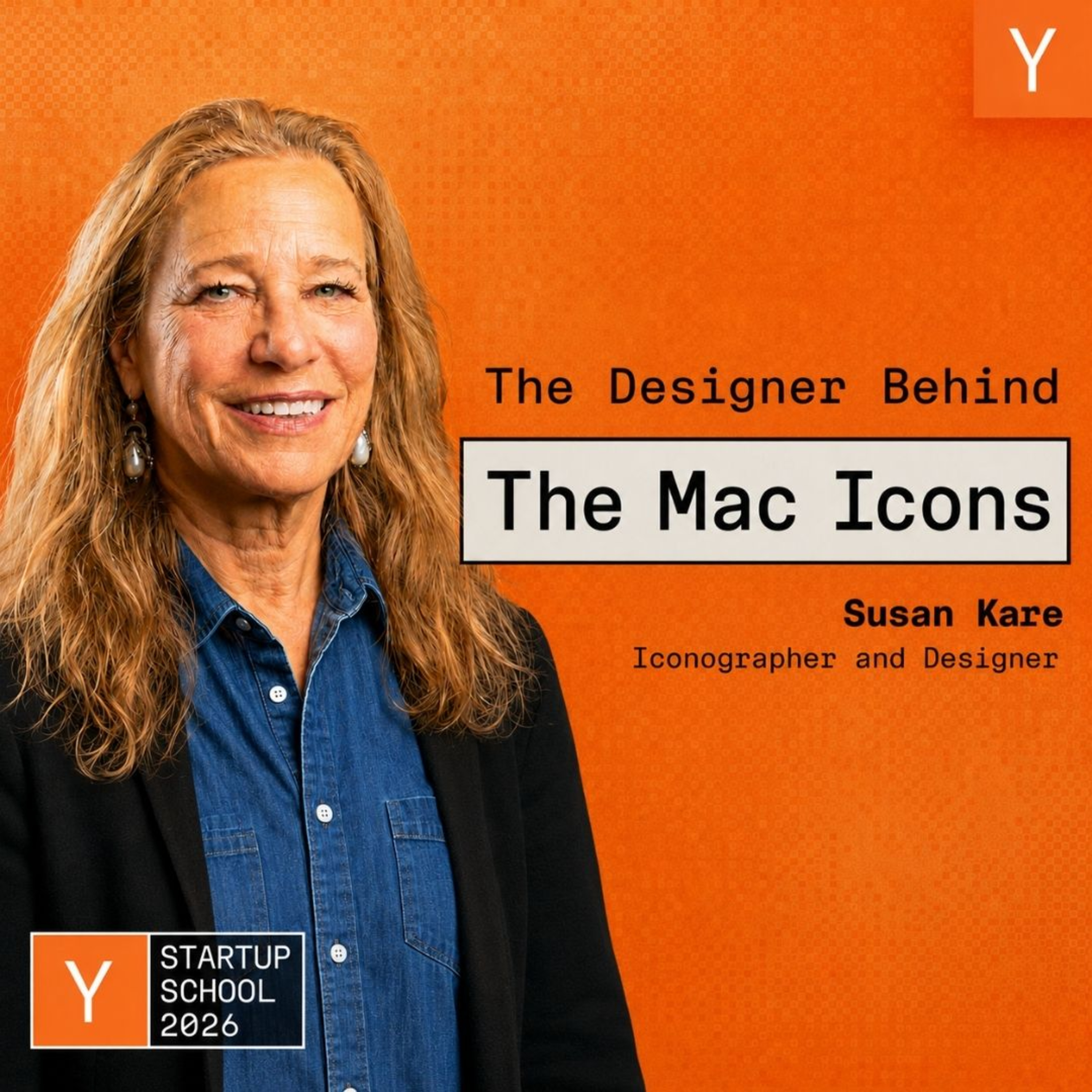 Susan Kare: Designing Icons & Graphics For the Original Mac 28.08.2026 51mSusan Kare joined Apple as an art history PhD who barely knew anything about computers. She went on to design many of the icons, typefaces, and symbols that helped make the original Macintosh feel understandable and human, defining a visual language for personal computing that still influences software today.At Startup School 2026, Susan shares the stories behind the Happy Mac, Command key, Chicago font, and more, along with the design lessons she learned from Steve Jobs, Paul Rand, and the original Mac team: make things meaningful and memorable, embrace constraints, iterate constantly, and us...
-
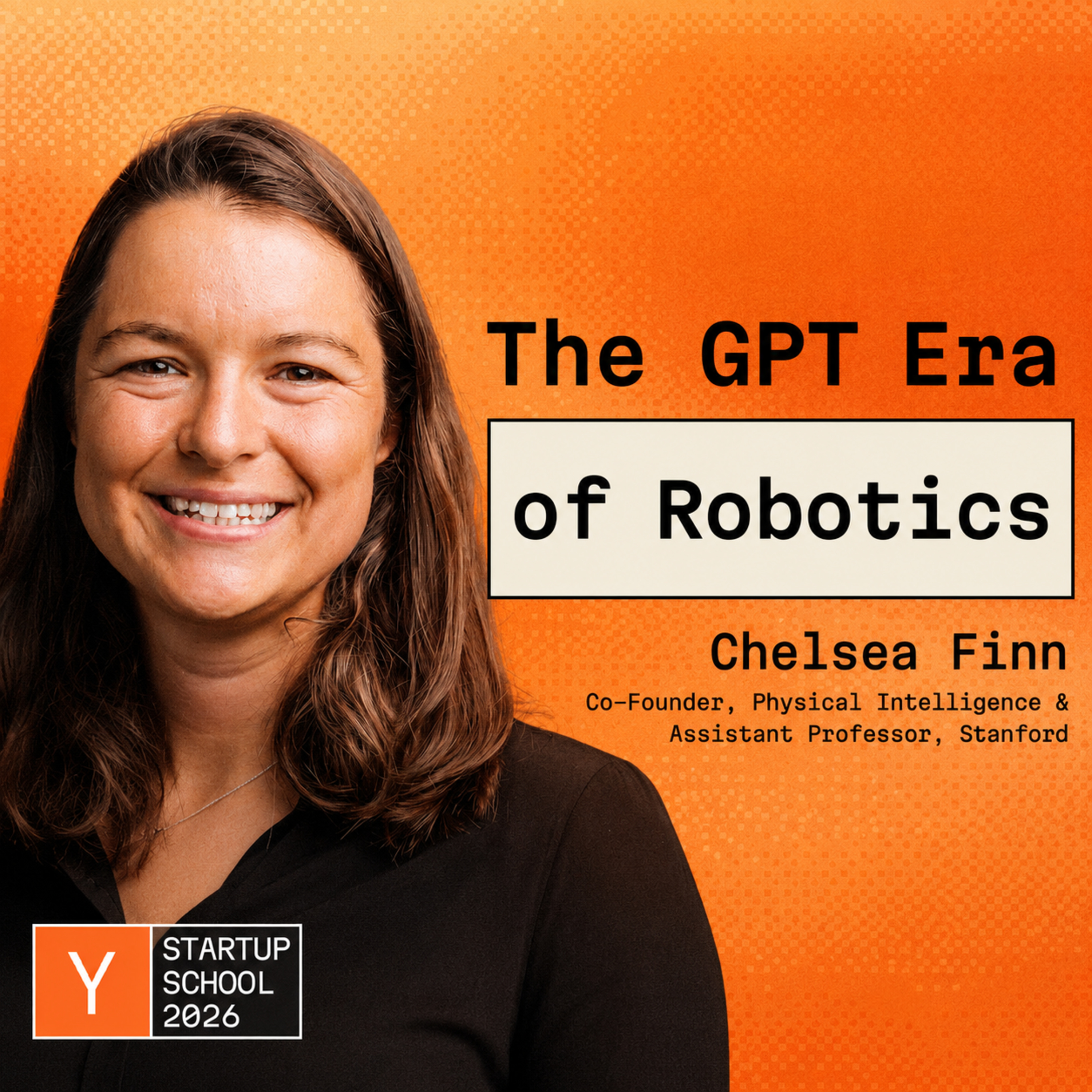 Chelsea Finn: This is the State of the Art in Robotics 13.08.2026 58mRobots can already fold laundry, make espresso, clean kitchens, and assemble things. The harder problem is getting them to do those tasks reliably, for long periods of time, without a human babysitting them.At Startup School 2026, Physical Intelligence cofounder Chelsea Finn explains what it takes to build general-purpose robots that work in the real world. She shares how reinforcement learning pushed robot throughput up 2x, how their systems can run autonomously for hours, and why she believes robotics is entering its GPT era: moving from specialized models toward general-purpose systems that...
-
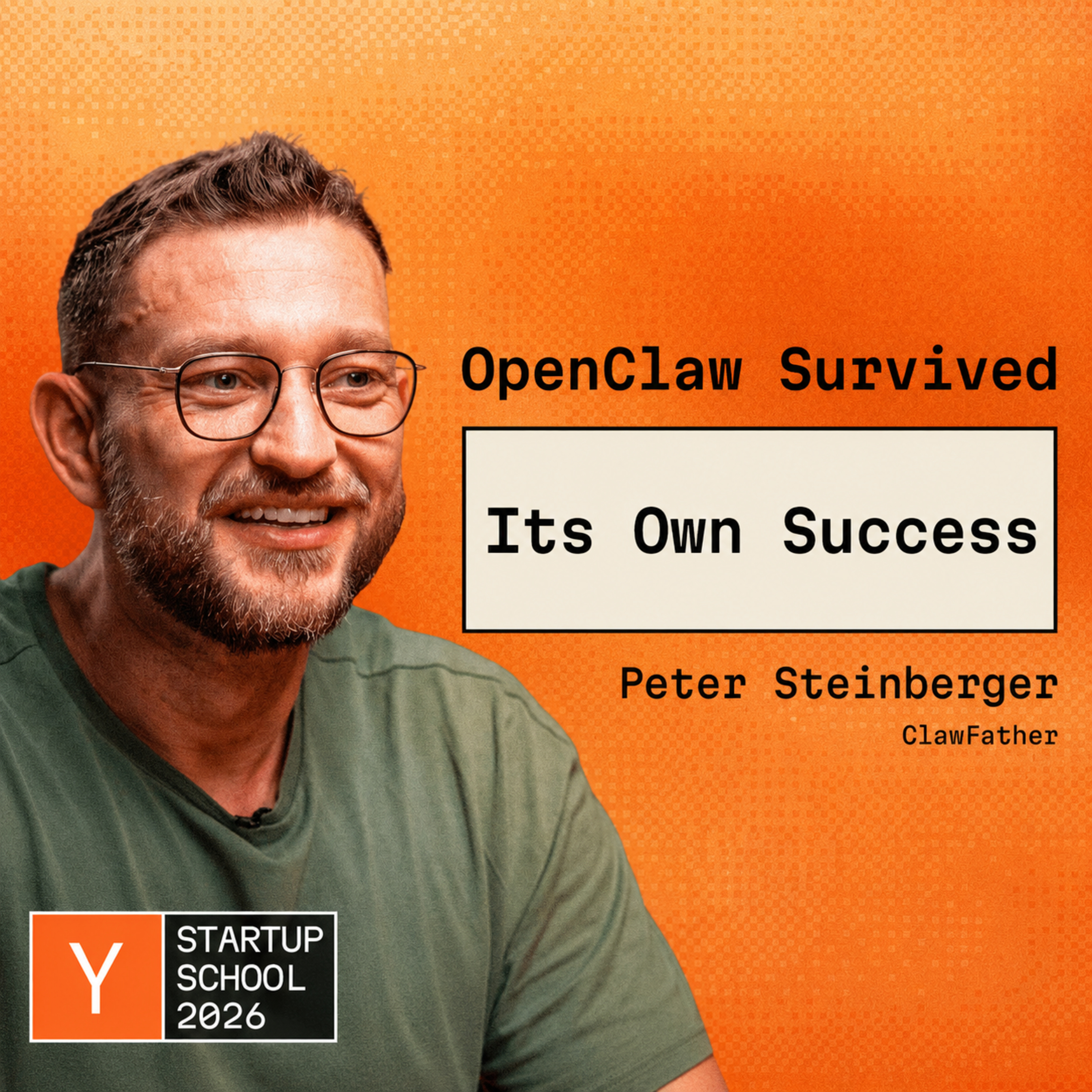 Peter Steinberger: "Fun Is Velocity" 11.08.2026 41mLast November, Peter Steinberger was annoyed that there was no good way to talk to his coding agents from his phone, so he built one himself. A few months later, OpenClaw had exploded into one of the biggest open source AI projects in the world, with nearly 3,000 contributors and a peak of 4.7 million weekly downloads.At Startup School 2026, Peter tells the story of what happened when OpenClaw took off, what he got wrong as it grew, and how he eventually stopped using the product he had built for himself.He shares why the best products often start with something that annoys you, why focus matt...
-
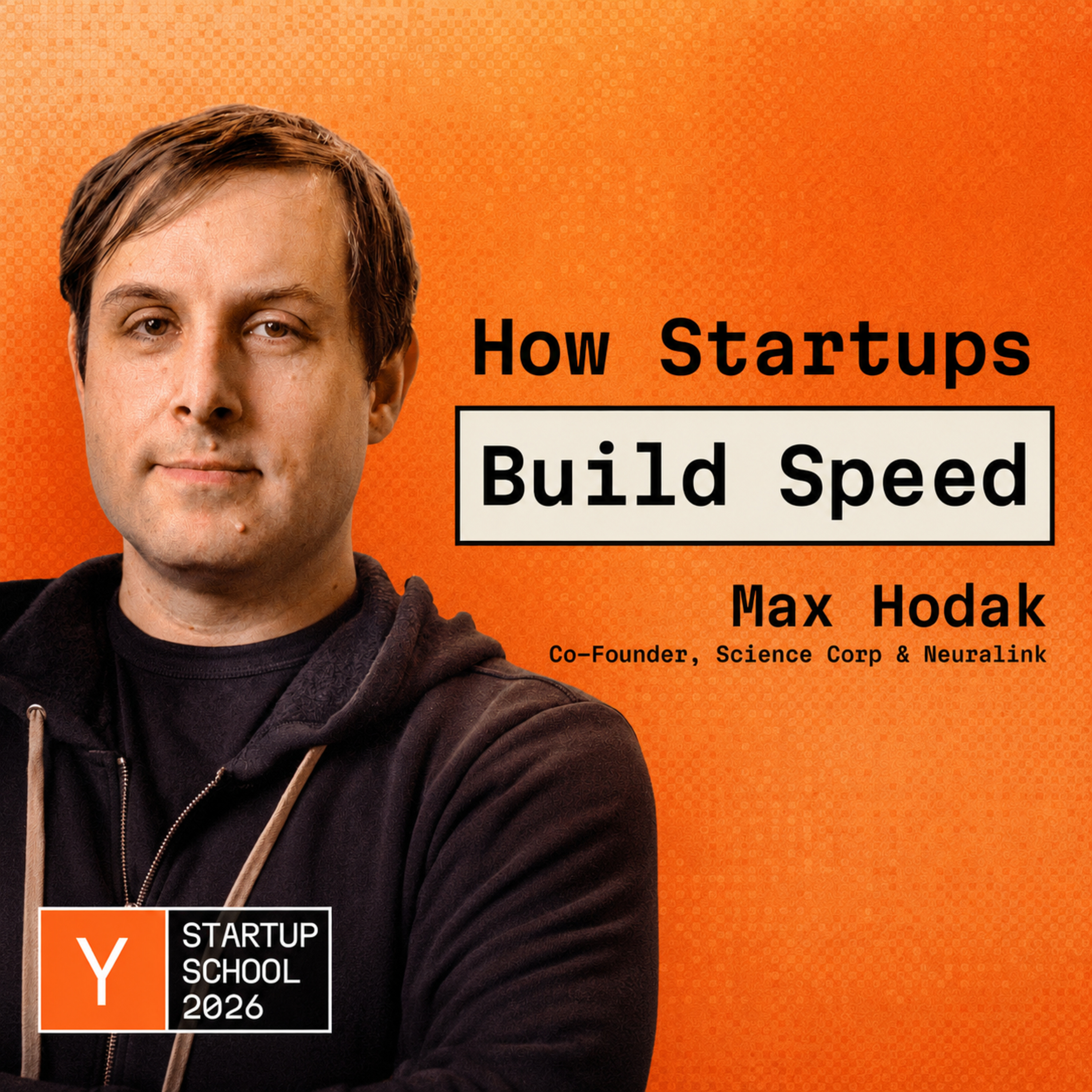 Max Hodak: How Startups Build Speed 10.08.2026 57mScience is building a retinal implant that restores vision to people who have gone blind. One patient has already used it to read a 300-page novel.Building a company like that requires a lot more than getting the technology right. At Startup School 2026, Science CEO Max Hodak explains how the company buys things and hires people, and why those systems determine how fast it can move.He also gets into why founders can’t delegate their judgment, and why there’s no set of five bullet points that makes a startup work.Transcript: https://www.ycrootaccess.com/p/max-hodak-there-are-no-blanket-rules
-
 How To Design In The Agent Era 07.08.2026 56mAI isn't just changing the tools designers use. It's changing how they build, ship, and stand out. In this episode of Design Review, Stephen Haney, founder of AI-native design tool Paper, joins YC General Partner Aaron Epstein to demo the agent-first workflow that's making Paper one of the fastest-growing design tools since Figma. Using live redesigns of user-submitted websites as examples, they break down the most common AI design tells, show how to fix them in seconds, and explain why the biggest risk for founders isn't moving too slow, it's shipping something that looks like everyone else.
Similar podcasts


Popular in
The podcast also appears in the podcast charts of these countries.
-
 Guatemala
-
 Tanzania
-
 Azerbaijan
-
 Qatar
-
 Yemen
-
 Honduras
-
 Serbia
-
 Sri Lanka
-
 Myanmar
-
 Bulgaria
-
 Lebanon
-
 Luxembourg
-
 Oman
-
 Malawi
-
 Mauritania
-
 Chad
-
 Zambia
-
 Montenegro
-
 Singapore
-
 Rwanda
-
 Bolivia
-
 Sierra Leone
-
 Estonia
-
 Cyprus
-
 Latvia
-
 Argentina
-
 Angola
-
 Croatia
-
 Paraguay
-
 Ivory Coast
-
 Nepal
-
 Kenya
-
 Armenia
-
 Mauritius
-
 United Arab Emirates
-
 Greece
-
 Mongolia
-
 Hungary
-
 Lithuania
-
 Zimbabwe
-
 India
-
 Romania
-
 Venezuela
-
 Bosnia and Herzegovina
-
 Democratic Republic of the Congo
-
 Ecuador
-
 Nicaragua
-
 Iceland
-
 Albania
-
 Moldova
-
 Kyrgyzstan
-
 Mali
-
 Malaysia
-
 Panama
-
 Pakistan
-
 Burkina Faso
-
 Nigeria
-
 Slovenia
-
 Jordan
-
 Ukraine
-
 Ghana
-
 Philippines
-
 Uzbekistan