
Planet Money
NPR
0
Planet Money is a podcast from NPR that explores the forces shaping our lives by tying any topic back to the economy. It aims to help listeners understand the world through economic concepts and stories. The show offers sponsor-free episodes and bonus content through Planet Money+ subscription.
Episodes
-
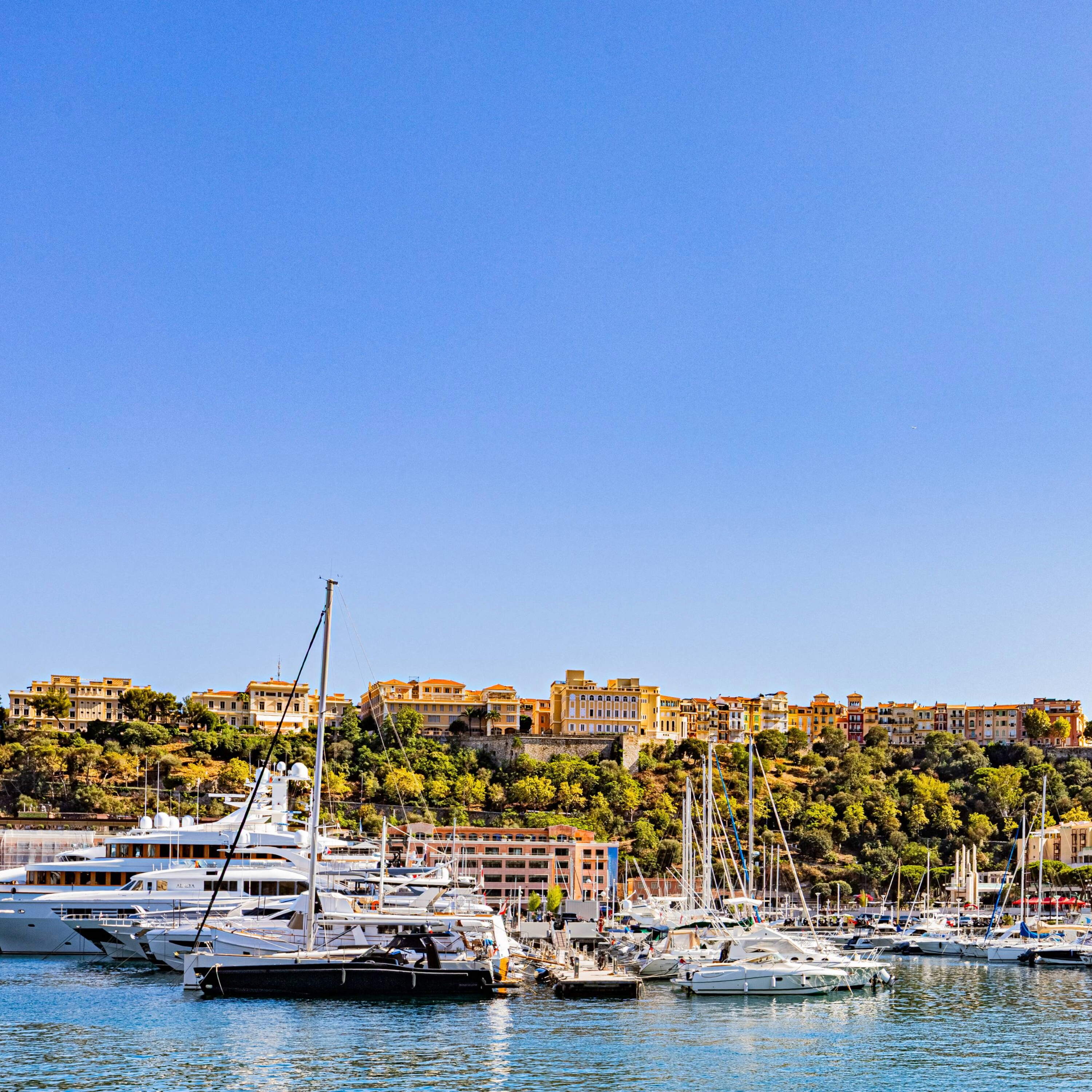 Middlegarchs are the new Oligarchs 25.09.2026 30mWanna know who is really in the top 1%? And how they use their influence? It may not be who you think.Look beyond Silicon Valley. Look beyond Wall Street. Look beyond the “oligarchs”. There's a much larger class of wealthy Americans hiding in plain sight. And, often, they got rich in mundane ways. They own car dealerships. They sell hot dogs and frozen mini-quiches. They run waxing salons. They supply fabricated metal and urinal cakes. They are dentists.Collectively, these "Main Street millionaires" control much more wealth than the billionaire lightning rods who launch rockets into space, appear on manosphere podcasts, and have Hollywood movies made about them. Many of these millionaires have also grown rich enough to afford superyachts, 10,000-square-foot homes, and pet tigers. At the center of their story is a quiet revolution in the American economy: the rise of a particular kind of private business. On today’s show, how did the power of the “stealthy wealthy” millionaires come to rival that of the billionaire oligarchs? And, how are they shaping policies that lower their taxes and raise your prices?Read: Our book: Planet Money: A Guide to the Economic Forces That Shape Your Life Our weekly longform Planet Money newsletterOur weekly Indicator round-up newsletterFollow: InstagramTikTokYouTubeFacebookSupport public media with NPR+ and enjoy perks for over 25 podcasts like this one. This show’s perks include bonus episodes and sponsor-free listening. Learn more at plus.npr.org.This episode was hosted by Greg Rosalsky and Sarah Gonzalez. It was produced by Emma Peaslee. It was edited by Marianne McCune with fact checking help from Sierra Juarez. It was engineered by Kwesi Lee. Alex Goldmark is Planet Money’s executive producer. Music: NPR Source Audio - "Collectible Kicks," "Blazed and Emboldened," and "Arturo’s RevengeSee pcm.adswizz.com for information about our collection and use of personal data for sponsorship and to manage your podcast sponsorship preferences.NPR Privacy Policy
 -
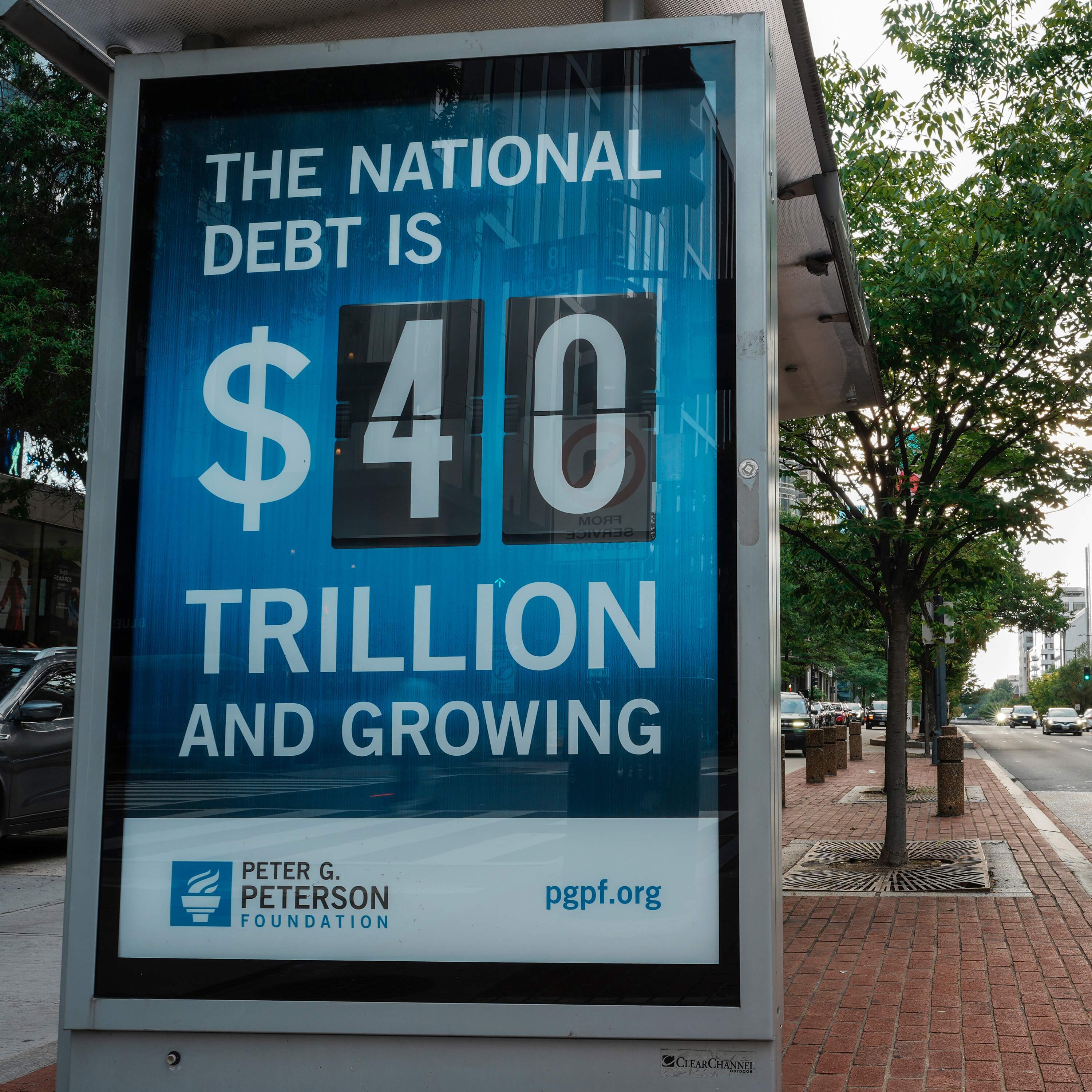 Is our national debt finally too much? (update) 23.09.2026 29m(Note: A version of this episode originally ran in 2024.)$40,000,000,000,000. Four commas. Thirteen zeroes. It’s an eye-popping, almost infinite-sounding pile of money. And every time the debt passes a big round number, almost everyone asks the same question: How much debt is too much?It’s maybe the most important question in macroeconomics. It’s also surprisingly hard to answer. When two economists tried to answer it back in 2010, it ignited a research slugfest that lasted a decade. We did a show on this question in 2024, outlining everything we know and don’t know about when the national debt becomes a problem. But a lot has changed. Interest rates have risen and stayed high. Spending has steamrolled ahead. Doves have become hawks. So on today’s show, we update our 2024 episode to revisit the age-old question: Is our debt finally too much? Read Planet Money: Our book: Planet Money: A Guide to the Economic Forces That Shape Your Life Our weekly longform Planet Money newsletterOur weekly Indicator round-up newsletterFollow: InstagramTikTokYouTubeFacebookSupport public media with NPR+ and enjoy perks for over 25 podcasts like this one. This show’s perks include bonus episodes and sponsor-free listening. Learn more at plus.npr.org.Our original episode was produced by Willa Rubin and edited by Molly Messick. This update was reported and produced by Vito Emanuel. It was fact checked by Sierra Juarez. It was engineered by Kwesi Lee. And it was edited by Alex Goldmark, Planet Money’s executive producer. See pcm.adswizz.com for information about our collection and use of personal data for sponsorship and to manage your podcast sponsorship preferences.NPR Privacy Policy
 -
 The Domino’s Pizza Tracker Theory of Everything 18.09.2026 32mDid a pizza restaurant’s humble status page change how we wait forever? When you order a Lyft or Uber, you get texts every few minutes about your car approaching and arriving. When you have a package coming, you get a notification when it’s shipped, when it’s en route, and when it’s out for delivery. Why do so many companies send these constant updates?We have a theory: It’s because of Domino’s. In 2008, Domino’s launched the Pizza Tracker, a novel tool that delighted customers by allowing them to obsessively monitor their pizza’s progress from order to oven to delivery. The Pizza Tracker became a canonical model for other companies trying to improve their customers’ experiences of waiting for all kinds of products and services. And now? Pizza Trackers are everywhere. On today’s show: how the Domino’s Pizza Tracker shaped the internet, and how trackers went from transparently sharing information with consumers to — in some cases — actively deceiving us. Support:— Planet Money+Read:— Our book: Planet Money: A Guide to the Economic Forces That Shape Your Life— Our weekly longform Planet Money newsletter— Our weekly Indicator round-up newsletterFollow:— Instagram— TikTok— YouTube— FacebookThis episode was hosted by Nick Fountain and Alex Mayyasi. It was produced by Sam Yellowhorse Kesler, edited by Liza Yeager, fact-checked by Sierra Juarez and engineered by Cena Loffredo and Jimmy Keeley. Alex Goldmark is Planet Money’s executive producer.Support public media with NPR+ and enjoy perks for over 25 podcasts like this one. This show’s perks include bonus episodes and sponsor-free listening. Learn more at plus.npr.org.See pcm.adswizz.com for information about our collection and use of personal data for sponsorship and to manage your podcast sponsorship preferences.NPR Privacy Policy
 -
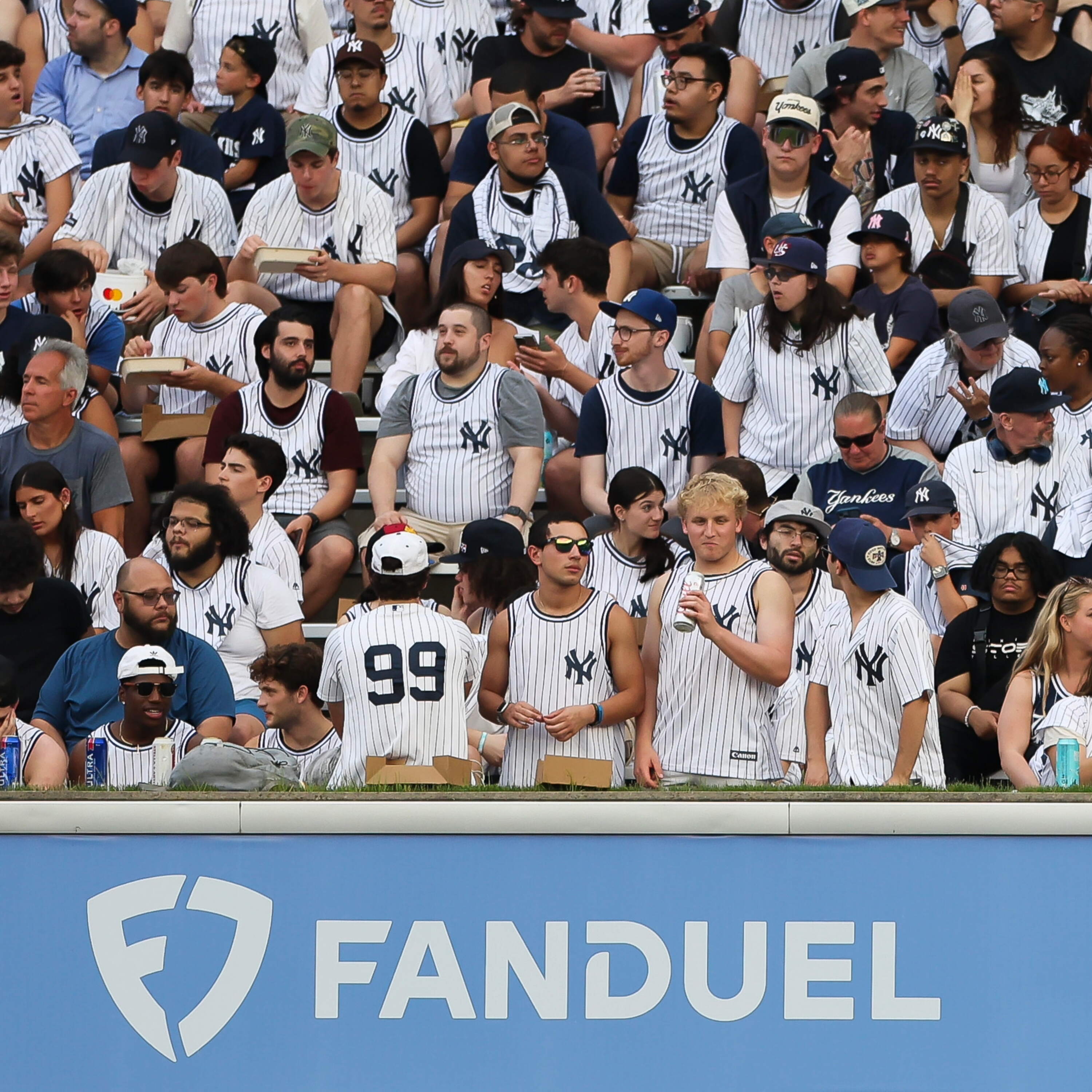 How investing is getting riskier (Two Indicators) 16.09.2026 18mMargin borrowing and sports gambling “investments” are both on the rise! Today on the show, two stories from Planet Money’s daily podcast The Indicator about the ways investing is changing, and getting riskier.According to one study, more than half of Gen Zers are using investment dollars for sports gambling. On average, this is not a smart strategy for the long term. It might be that sports betting today is like day trading was for a previous generation of young investors: something a lot of young people, typically men, do, lose money at for a while, then quit. We review the early research on this trend and meet a state legislator proposing ways to stem problem gambling.More, generally younger people are also investing with borrowed money. Trading on margin is at an all time high of over $1.5 trillion. In the past, high levels of margin investing have led to crashes. We hear those stories and find out what the Fed might do to reign in the risk. Related Indicator episodes— How AI might mess with financial markets— Prediction markets are threatening national security. Who's gonna fix it?Connect with Planet Money & The Indicator— Sign up for The Indicator’s weekly link round up newsletter!— Sign up for Planet Money’s weekly longform newsletter!— Buy the Planet Money book— Find our socials, YouTube and more!— For sponsor-free episodes, subscribe to NPR+ Support public media with NPR+ and enjoy perks for over 25 podcasts like this one. This show’s perks include bonus episodes and sponsor-free listening. Learn more at plus.npr.org.These episodes of The Indicator from Planet Money were produced by Corey Bridges and Cooper Katz-McKim. They were engineered by Travis Hagan and Cena Loffredo, and fact-checked by Sierra Juarez. They were edited by Julia Ritchey and Kate Concannon. Support public media with NPR+ and enjoy perks for over 25 podcasts like this one. This show’s perks include bonus episodes and sponsor-free listening. Learn more at plus.npr.org.See pcm.adswizz.com for information about our collection and use of personal data for sponsorship and to manage your podcast sponsorship preferences.NPR Privacy Policy
 -
 The loan at the heart of a new foreclosure crisis 11.09.2026 29mThere is a new type of loan that is sweeping through the country right now. It’s advertised as a super quick and super easy way to get a mortgage to buy a home. In recent years, Wall Street has been funneling billions of dollars into these loans. But these loans are also raising questions. Are they a financial innovation that’s helping the housing market? Or ... a sign that Wall Street might be forgetting the mistakes that led to the Global Financial Crisis? On today’s show, we head to Baltimore, where abandoned rowhomes have become a familiar sight. Reporters Hallie Miller, Jack Bologna and Sahana Jayaraman from The Baltimore Banner have been following this new loan as it’s been bringing millions of dollars into some of Baltimore's most distressed neighborhoods. But, a few years ago, two local landlords quickly and quietly amassed what might be one of the largest private real estate portfolios in Baltimore: Over 700 homes and $100 million dollars in borrowed cash. Using this hot new loan. And then they tried to disappear. We talk with the Banner reporters about what they found at the heart of this mystery, and why it might have implications for the rest of the country. Read the Banner’s reporting:The housing hustle igniting a foreclosure crisis in BaltimoreBefore mass foreclosures, DSCR loans looked good for Baltimore Could a few 'bad actors' upend Baltimore's housing hopes?Baltimore will investigate New York investor group for housing discrimination Baltimore is striking fear into private lenders across the country From $3.7M to $9.9M: Federal probe focuses on 42 Baltimore homes sold again and againThe FBI is investigating the New York investors behind Baltimore’s foreclosure waveFake deeds, real money: New York investors accused of another Baltimore scamHow do you build a huge portfolio of Baltimore rentals? It helps to know a guy.The loans behind Baltimore’s foreclosure crisis are surging in cities across the nation Baltimore ballroom ‘icon’ survives a life of grit with glamourRead: Our book: Planet Money: A Guide to the Economic Forces That Shape Your Life Our weekly longform Planet Money newsletterOur weekly Indicator round-up newsletterFollow: InstagramTikTokYouTubeFacebookSupport public media with NPR+ and enjoy perks for over 25 podcasts like this one. This show’s perks include bonus episodes and sponsor-free listening. Learn more at plus.npr.org.This episode was hosted by Jeff Guo. It was produced by Sam Yellowhorse Kesler and edited by Jess Jiang. It was fact-checked by Sierra Juarez and engineered by Travis Hagen. Alex Goldmark is Planet Money’s executive producer. Music: Universal Production Music - "Slick Groove," "Seven Secrets," and "Jazz Move"See pcm.adswizz.com for information about our collection and use of personal data for sponsorship and to manage your podcast sponsorship preferences.NPR Privacy Policy
 -
 Cost-cutting, quiet guilt and the inflation generation 09.09.2026 24mIn this economy it is boom times and doom times all at once. The statistics aren’t really capturing it. K-shaped only goes so far as a metaphor. So … we asked you to help. And you delivered! One one hand, the stock market is on a prolonged, upward trajectory. Unemployment is low and inflation has come down from its peak. But on the other hand, inflation is frustratingly sticky and higher than we want, job turnover is extremely low making looking for work an endless grind, and more than 75% of Americans say they’re stressed about money. So we asked you – our listeners – how is the economy working for you? We got a range of responses. Some people are going to great lengths to save money and make ends meet, others are thriving and feel kind of guilty about their good fortune. We also heard from a new generation being shaped by this economic moment into hyper cost-conscious shoppers. You might call them the inflation generation. Each story helps us understand what’s actually going on in the economy and what the stats aren’t capturing. Read: Our book: Planet Money: A Guide to the Economic Forces That Shape Your Life Our Game: Sell Me A Sasquatch about the hilarious chaos of monstrous dealmaking.Our weekly longform Planet Money newsletterOur weekly Indicator round-up newsletterFollow: InstagramTikTokYouTubeFacebookSupport public media with NPR+ and enjoy perks for over 25 podcasts like this one. This show’s perks include bonus episodes and sponsor-free listening. Learn more at plus.npr.org.This episode of Planet Money was produced by Emma Peaslee and edited by Alex Goldmark. Reporting help from Charlotte Isidore. It was fact checked by Sierra Juarez, and engineered by Robert Rodriguez. Special thanks to all our listeners and all of you who wrote in to let us know how you’re doing. Music: NPR Source Audio - "What I Need," "Feel the Love," and "Red Line"See pcm.adswizz.com for information about our collection and use of personal data for sponsorship and to manage your podcast sponsorship preferences.NPR Privacy Policy
 -
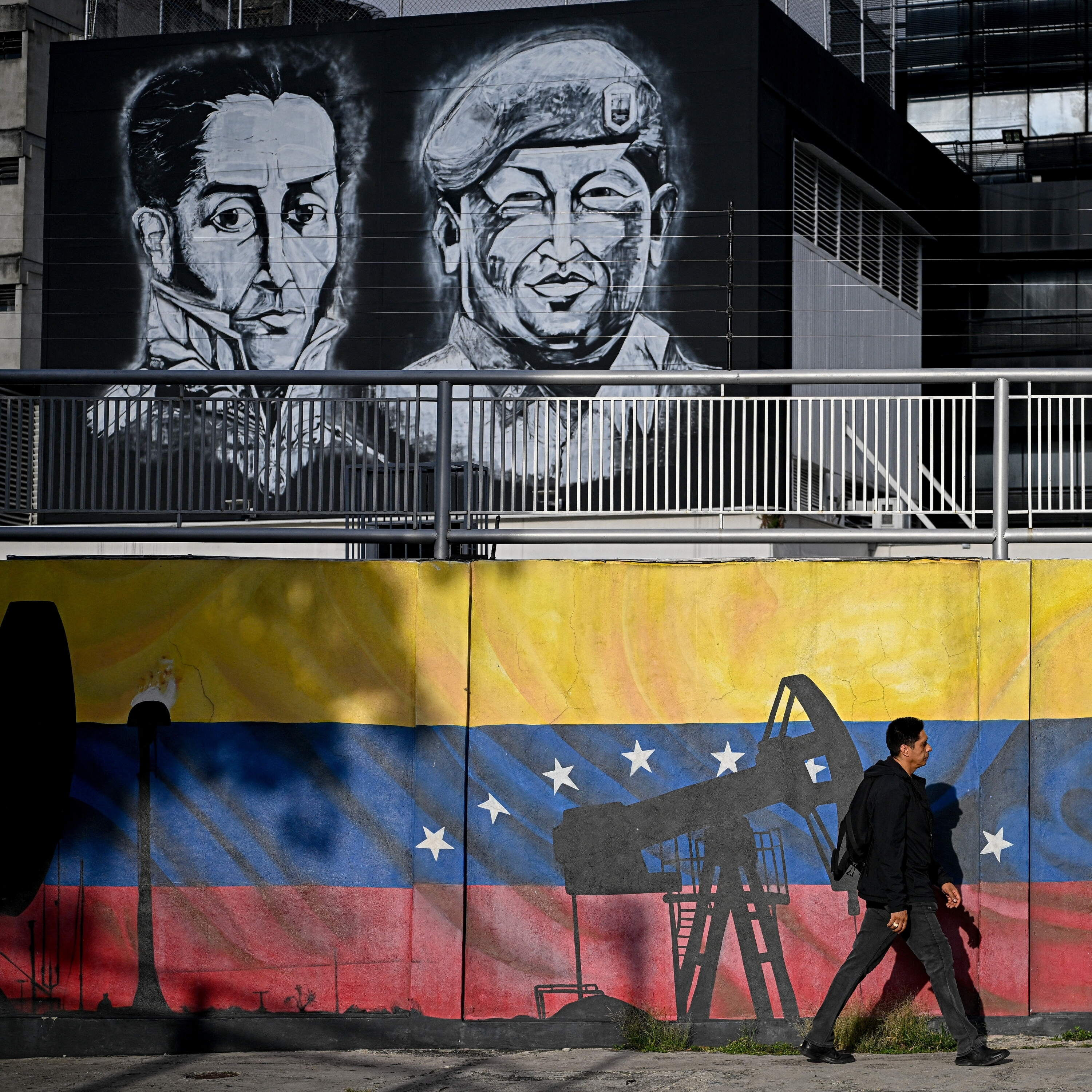 Trump drinks Venezuela’s milkshake 05.09.2026 25mOne week ago, President Trump announced a deal that would give the “U.S. control of more than 65 BILLION BARRELS of proven Oil Reserves in Venezuela, at no cost to the American Taxpayer.”The exact nature of this deal has been … obscure, to say the least. But today, we wanted to know, from someone who’s been through this before, what does this mean for Venezuela?José Ángel Pereira Ruimwyk is both optimistic … and wary. He’s a longtime Venezuelan oil insider. When Venezuela invited in foreigners, decades ago, he was there to greet them. And when Venezuela wanted them out? Well, that’s how he ended up in a jail cell. On today’s show, we’re going to hear from one third-generation Venezuelan oilman who has seen everything … up until this, of course.Check out our other episodes about Venezuela: - Chevron, Venezuela and the Paradox of Plenty - How Venezuela imploded Read: - Our book: Planet Money: A Guide to the Economic Forces That Shape Your Life - Our weekly longform Planet Money newsletter - Our weekly Indicator round-up newsletterFollow: - Instagram - TikTok - YouTube - FacebookSupport public media with NPR+ and enjoy perks for over 25 podcasts like this one. This show’s perks include bonus episodes and sponsor-free listening. Learn more at plus.npr.org.This episode was hosted by Nick Fountain and Erika Beras and produced by Emma Peaslee with help from Sam Yellowhorse Kesler. It was edited by Marianne McCune. It was fact checked by Emma Peaslee with help from Sierra Juarez. It was engineered by Josephine Nyounai with help from Jimmy Keeley. Alex Goldmark is Planet Money’s executive producer. See pcm.adswizz.com for information about our collection and use of personal data for sponsorship and to manage your podcast sponsorship preferences.NPR Privacy Policy
 -
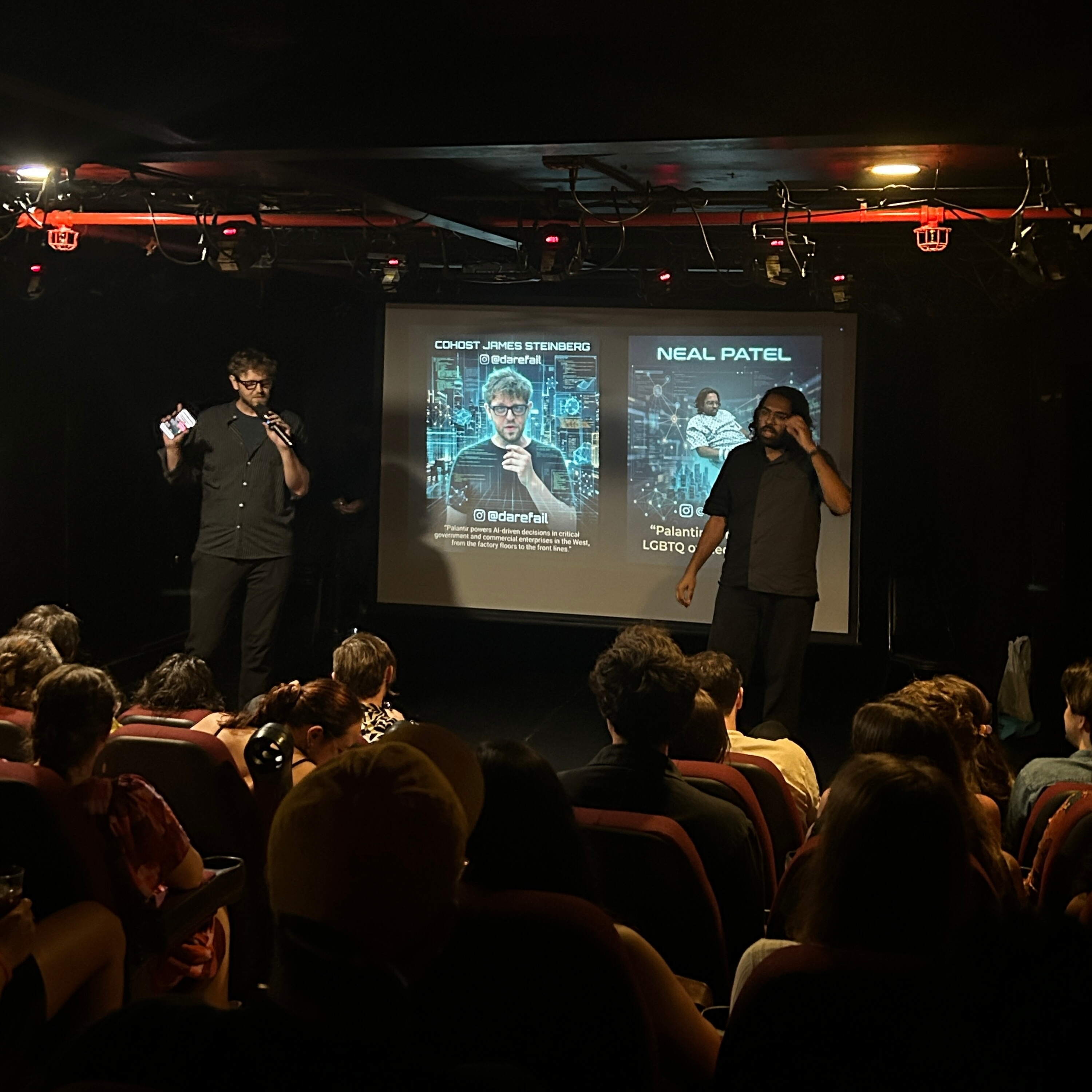 Love in the time of Palantir 02.09.2026 25mTo a lot of people, Palantir is a mystery — what does the company know, what data do they have, and (if they have it) what do they do with it all? We dig into that mystery and take you to a singles event to see if Big Data is good for Big Dating.That event, deep in the heart of Manhattan, is called: “Singles Dating Matching Using Palantir Data.” The evening promised: “Data analysis!” and “Pattern matching!” We decided that we needed to know more. Read: - Our book: Planet Money: A Guide to the Economic Forces That Shape Your Life - Our weekly longform Planet Money newsletter - Our weekly Indicator round-up newsletterFollow: - Instagram - TikTok - YouTube - FacebookSupport public media with NPR+ and enjoy perks for over 25 podcasts like this one. This show’s perks include bonus episodes and sponsor-free listening. Learn more at plus.npr.org.This episode was hosted by Amanda Aronczyk, produced by Sam Yellowhorse Kesler and edited by Jess Jiang. It was engineered by Cena Loffredo and Maggie Luthar and fact-checked by Sierra Juarez. Alex Goldmark is Planet Money’s executive producer.Music: Universal Production Music - "Silvana’s Theme," "Masseria Del Sud," Sunset in Florence," and "An Italian Romance"See pcm.adswizz.com for information about our collection and use of personal data for sponsorship and to manage your podcast sponsorship preferences.NPR Privacy Policy
 -
 Dolly Parton’s “9 to 5,” the true story behind the anthem (bonus) 30.08.2026 22mThe brilliance of "9 to 5" is that it is catchy even though it’s also kinda depressing. You will be dancing along. You're enjoying it. And, then when you really listen to the lyrics, you're like, Wait, this is messed up. This is real. This is a problem we need to fix. Like, why does it have to be this way?That is the spirit of the song, why it became an anthem, and the heart of the movie 9 to 5. There’s so much to say about Dolly Parton, about her music, acting career, her business savvy, not to mention Dollywood. Today though, we wanted to bring you the audacious true story of 9 to 5, the movie and the song. Between the 1960s and 1980s, there was a real sense that big workplace changes were just beyond the horizon. At the time, a very common job for women was clerical work. In 1973, a group of secretaries in Boston formed a women's labor organization. They called themselves the "9to5."Today on the show, we revisit our 2021 episode where we meet the women behind the movement that inspired the movie. And a look at how far we have — or haven't — come since then.This is a special Sunday bonus episode. For our latest episode on inventing new tomatoes, scroll down the feed or click here. (Note: This episode originally ran in 2021.)Read: - Our book: Planet Money: A Guide to the Economic Forces That Shape Your Life - Our weekly longform Planet Money newsletter - Our weekly Indicator round-up newsletterFollow: - Instagram - TikTok - YouTube - FacebookSupport public media with NPR+ and enjoy perks for over 25 podcasts like this one. This show’s perks include bonus episodes and sponsor-free listening. Learn more at plus.npr.org.Today's episode was hosted by Sarah Gonzalez and Sonari Glinton. The original episode was produced by Nick Fountain and James Sneed and edited by Mitra Kaboli. The update was produced by Sam Yellowhorse Kesler, and engineered by Jimmy Keeley. Alex Goldmark is Planet Money’s executive producer.Music: "9 to 5," "5 to 9," and "Fly on the Wall." See pcm.adswizz.com for information about our collection and use of personal data for sponsorship and to manage your podcast sponsorship preferences.NPR Privacy Policy
 -
 Branded fruit: How produce got “Honeycrisp-ified" 28.08.2026 33mThe produce aisle is changing. You’ve noticed this, I’m sure. It is now full of superstar fruits and vegetables: The Honeycrisp apple, The Cotton Candy grape, The Cuties mandarin orange. They stand out. They cost more. They have branding and sometimes trademarks and patent-ish kinds of protections.And now – it’s happening in the tomato bin too! Where once there were just plain old cherry or grape tomatoes, now there are Sugar Bombs, and Flavor Bombs, and Lolli Bombs and Sprinkles.Today, we are partnering up with Dan Pashman – host of The Sporkful food podcast – and heading to New Jersey where we hope to taste an up-and-coming competitor: Rutgers University's Scarlet Sunrise grape tomato. We talk to the inventors to understand why this explosion in branded fruits and veggies has happened and how you go about making a new piece of produce.Plus, we talk to Cornell agricultural economist Miguel Gomez about whether or not the fruits and veggies spread in our produce aisle are, perhaps, reaching the point of market saturation.Read: Our book: Planet Money: A Guide to the Economic Forces That Shape Your Life Our weekly longform Planet Money newsletterOur weekly Indicator round-up newsletterFollow: InstagramTikTokYouTubeFacebookSupport public media with NPR+ and enjoy perks for over 25 podcasts like this one. This show’s perks include bonus episodes and sponsor-free listening. Learn more at plus.npr.org.This episode was hosted by Kenny Malone and Dan Pashman. It was produced by James Sneed and edited by Keith Romer. It was fact-checked by Sierra Juarez and engineered by Cena Loffredo & Jimmy Keeley. Alex Goldmark is Planet Money’s executive producer.Correction, Aug. 31, 2026: An earlier version of this story incorrectly said that the University of Washington developed the Cosmic Crisp apple. It was Washington State University.See pcm.adswizz.com for information about our collection and use of personal data for sponsorship and to manage your podcast sponsorship preferences.NPR Privacy Policy
 -
 The continent nobody owns & everyone benefits from (Summer School) 26.08.2026 40mThis episode is packed with your best economic ideas from around the world and a penguin interview. It all comes together in this final session of Summer School 2026.Pack your parka, we’re headed to Antarctica.First, we’ll travel back in time to the late 1970s when NPR was a scrappy young network, with a synth soundtrack, and tons of heart. Science reporter Ira Flatow took a trip to the South Pole that put NPR on the news industry map. We’ll hear an excerpt where he brings us along through what life is like on the ice, including a memorable interview with the wildlife.Then we look inside McMurdo Station, the largest human settlement and research base on Antarctica to hear from a listener who managed the store at the base back in the 1980s. Normal retail rules do not apply. We’ll also speak with an economist who has estimated the continent’s monetary value, while asking questions like “why put a price tag on this uninhabitable land”? She makes the case we should consider the environmental benefit as a service. But, we can’t let the episode and the series wrap without marking our achievements! You did it! As part of our graduation celebration, we hear from your fellow members of the summer school class of 2026. Listeners like you who have written in from around the globe with provocative economic ideas that could make life better for all of us if we just have the will to do it. Man did you all deliver on sending in ideas. We’ve curated our favorites. Way better than speeches.And don’t forget your totally real, but not legal, diploma by taking our short online test. Don’t worry if you need a refresher, catch up on past seasons of Planet Money Summer School here.Featured Episodes:The unexpected sounds of Antarctica (1979)A visit to McMurdo Station in Antarctica (1979)Featured Terms:Ecosystem as a service Consórcios (a type of ROSCA, a Rotating Savings and Credit Association)Social housingNatural capitalSupport:NPR+ (sponsor-free listening & bonus episodes) And please click “follow” in your podcast app so you don’t miss an episode. NPR+Read: Our book: Planet Money: A Guide to the Economic Forces That Shape Your Life (Audiobook here) Our weekly longform Planet Money newsletterOur weekly Indicator link round-up newsletterFollow: InstagramTikTokYouTubeFacebookThis episode of Planet Money Summer School is hosted by Robert Smith. It was produced by Schuyler Swenson and Sophia Paliza-Carre and edited by Planet Money Executive Producer Alex Goldmark. It was fact-checked by Charlotte Isidore and engineered by Annlie Huang.Support public media with NPR+ and enjoy perks for over 25 podcasts like this one. Planet Money's perks include bonus episodes and sponsor-free listening. Learn more at plus.npr.org.See pcm.adswizz.com for information about our collection and use of personal data for sponsorship and to manage your podcast sponsorship preferences.NPR Privacy Policy
 -
 Who decides what big box sells? Our GAME got us answers 21.08.2026 37mThere’s a room where the fates of retail products are decided. Will they make it onto the shelves of the big box stores? Usually the rest of us can’t get inside the room where decisions are made – until now! Today on the show, we pitch the Planet Money game, Sell Me a Sasquatch, to big box retailers. We go behind the scenes to learn about how products end up on big box store shelves, what’s going on inside the minds of the deciders, and find out our board game’s fate. Learn more about the story of Pantone: The company that owns colors Support:Planet Money+Read: Our book: Planet Money: A Guide to the Economic Forces That Shape Your Life Our weekly longform Planet Money newsletterOur weekly Indicator round-up newsletterFollow: InstagramTikTokYouTubeFacebookThis episode of Planet Money was produced by Emma Peaslee. It was edited by Marianne McCune. It was fact checked by Sierra Juarez. It was engineered by Robert Rodriguez and Jimmy Keeley. Planet Money’s executive producer is Alex Goldmark. Music: NPR Source Audio - "Silly Sevens," "Adventure Time," and "Virtual Machine"Support public media with NPR+ and enjoy perks for over 25 podcasts like this one. This show’s perks include bonus episodes and sponsor-free listening. Learn more at plus.npr.org.See pcm.adswizz.com for information about our collection and use of personal data for sponsorship and to manage your podcast sponsorship preferences.NPR Privacy Policy
 -
 Getting entrepreneurial in Korea (Summer School) 19.08.2026 40mThis week’s stop on our world tour - Korea. A country divided into two very different power structures since the end of WWII. Today South Korea is the maker of some of the world’s favorite exports – from Samsung TV’s to BTS. But 75 years ago it was a much different story. How the textile industry and a partnership with Bangladesh lifted the country out of poverty and paved the way for rapid economic growth.Then later in this episode – how entrepreneurial endeavors look different on the other side of the 38th parallel. We’ll follow a woman who started her own small business selling goods in North Korea. How are the Donju, members of the affluent entrepreneurial class, faring and can capitalism exist in a highly restrictive socialist society?Featured Episodes:Richard Nixon, Kimchi and the first clothing factory in Bangladesh (2013)North Korea's Capitalists (2017)Featured Terms: VolatilityInflation expectationsCapital controlsAusteritySupport:NPR+ (sponsor-free listening & bonus episodes) And please click “follow” in your podcast app so you don’t miss an episode.Read: Our book: Planet Money: A Guide to the Economic Forces That Shape Your Life (Audiobook here) Our weekly longform Planet Money newsletterOur weekly Indicator link round-up newsletterFollow: InstagramTikTokYouTubeFacebookThis episode of Planet Money Summer School is hosted by Robert Smith. It was produced by Schuyler Swenson and Sophia Paliza-Carre and edited by Planet Money Executive Producer Alex Goldmark. It was fact-checked by Charlotte Isidore and engineered by Annlie Huang.Support public media with NPR+ and enjoy perks for over 25 podcasts like this one. Planet Money's perks include bonus episodes and sponsor-free listening. Learn more at plus.npr.org.See pcm.adswizz.com for information about our collection and use of personal data for sponsorship and to manage your podcast sponsorship preferences.NPR Privacy Policy
 -
 You bet your life insurance 14.08.2026 38mSome of the biggest firms on Wall Street are, at this very moment, waiting for thousands of strangers to die to reap their returns. Because there’s a market for life insurance policies. And it’s legal.You don’t have to actually die to get some of your life insurance money. Thanks to a secondary market for life insurance policies, you might be able to claw back money from beyond the grave. You just sell your policy to an investor. So when you die, the payout goes to them, instead of your family or beneficiary. On today’s show, how the wheels of finance transformed a desperate deal made during the AIDS crisis into a multi-billion dollar industry. Support:Planet Money+Read: Our book: Planet Money: A Guide to the Economic Forces That Shape Your LifeOur weekly longform Planet Money newsletterOur weekly Indicator round-up newsletterFollow: InstagramTikTokYouTubeFacebookThis episode was produced by Willa Rubin with help from Emma Peaslee. It was edited by Marianne McCune and fact-checked by Sierra Juarez. It was engineered by Cena Loffredo. Alex Goldmark is our executive producer.Support public media with NPR+ and enjoy perks for over 25 podcasts like this one. This show’s perks include bonus episodes and sponsor-free listening. Learn more at plus.npr.org.See pcm.adswizz.com for information about our collection and use of personal data for sponsorship and to manage your podcast sponsorship preferences.NPR Privacy Policy
 -
 Currency Chaos in Argentina (Summer School) 12.08.2026 39mJust about everyone in Argentina is an expert in inflation and whether they like it or not, economic flexibility. Can we learn from them? Over the years, we at Planet Money have checked in on Argentina as it tried to recover from economic collapse in 2001 and 2002, and as inflation shot up and the country defaulted on its debts. This week on our Summer School World Tour, we fly to Buenos Aires, mapping the moves of their economy through the eyes of people who live there – from tango classes and shoe shopping to a Coldplay concert that sparked a special exchange rate. We’ll consider the different attempts from the government to staunch inflation and why they’ve led to so many unintended consequences. But the heart of this week’s trip is the resilience of everyday economic actors, regular people. When the value of your currency is so in flux, average people become monetary contortionists just to navigate work, shopping, saving and to keep small businesses afloat. This adaptability becomes a special kind of skill and wisdom. So, we’re harvesting that everyday economic insight for tips on how we can all face uncertainty a little better. And, to appreciate the high costs of volatility. Featured Episodes:Messi economics (2022)A black market, a currency crisis and a tango competition in Argentina (2023)The high cost of a strong dollar (2022)Featured Terms: VolatilityInflation expectationsCapital controlsAusteritySupport:NPR+ (sponsor-free listening & bonus episodes) And please click “follow” in your podcast app so you don’t miss an episode.Read: Our book: Planet Money: A Guide to the Economic Forces That Shape Your Life (Audiobook here) Our weekly longform Planet Money newsletterOur weekly Indicator link round-up newsletterFollow: InstagramTikTokYouTubeFacebookThis episode of Planet Money Summer School is hosted by Robert Smith. It was produced by Sophia Paliza-Carre and Schuyler Swenson and edited by Planet Money Executive Producer Alex Goldmark. It was fact-checked by Sierra Juarez and engineered by Jimmy Keeley.See pcm.adswizz.com for information about our collection and use of personal data for sponsorship and to manage your podcast sponsorship preferences.NPR Privacy Policy
 -
 Older workers aren’t retiring. Should they be forced to? 07.08.2026 34mWhen workers past retirement age can’t afford to retire — that’s one thing. When they can, and just don’t want to — that’s trickier.It used to be legal to force people to retire when they hit a certain age. The trend used to be earlier and earlier retirement. Now it’s later and later retirement. And younger workers say it’s impacting their career advancement and their ability to save for their own retirement.At the same time, older workers are living longer, Social Security and Medicare funding are less secure than ever … and many people want to keep working.Age in the workplace is a tricky thing to talk about. But today on the show, we’re talking about it. On the latest Planet Money, a law professor who says retirement should be mandatory at age 70. And an economist who says, actually … people should delay retirement even longer. Show notes: More of Planet Money’s coverage of the lump of labor fallacySamuel Moyn: Gerontocracy in America: How the Old Are Hoarding Power and Wealth? And What to Do About It.Gerhard Casper and Saunders Mac Lane: “Older Doesn’t Mean Wiser”Read: Our book: Planet Money: A Guide to the Economic Forces That Shape Your Life Our weekly long-form Planet Money newsletterOur weekly Indicator round-up newsletterFollow: InstagramTikTokYouTubeFacebookSupport public media with NPR+ and enjoy perks for over 25 podcasts like this one. This show’s perks include bonus episodes and sponsor-free listening. Learn more at plus.npr.org.This episode was reported by Sarah Gonzalez. It was produced by Willa Rubin, edited by Eric Misitzis Mennel, and fact-checked by Charlotte Isidore. It was engineered by Robert Rodriguez and Jimmy Keeley. Alex Goldmark is our executive producer. Music: NPR Source Audio: “Don’t Cross The Line,” “Aventure Burlesque,” and “Hollywood.”See pcm.adswizz.com for information about our collection and use of personal data for sponsorship and to manage your podcast sponsorship preferences.NPR Privacy Policy
 -
 Sand heists and property rights in the Caribbean (Summer School) 05.08.2026 40mImagine a nation where, for the residents, land is for the claiming. You walk down the street, pick out a nice looking plot of land, and just plop down a marker. No rent, no taxes, no deed – just free land. That’s the communal system of property rights that governed a small Caribbean island for over a century.This week on our Summer School World Tour we make port on the small economies of island nations, a great place to explore how different experiments play out. Every small change – the good and the bad – has big consequences.First, the fascinating test case on the island of Barbuda, where the people there have found a way to run things without the usual, formal land rights.Then, we consider the vulnerabilities of small nations as we dig into a mysterious sand heist in Jamaica. A stolen beach – yes, you read that right – and something called “sand forensics” reveal the importance of this seemingly infinite resource and the challenges of protecting public spaces when there’s money to be made.Along the way we found ourselves asking: Does property have to be private? What happens when it’s not? How can you protect scarce resources when they’re part of the vast, public spaces everyone shares?Featured Episodes:The Island No One Owns (2020)Peak Sand (2018)Featured Terms:Tragedy of the commonsProperty rightsPath dependenceOwnership in commonSupport:NPR+ (sponsor-free listening & bonus episodes) And please click “follow” in your podcast app so you don’t miss an episode. Read: Our book: Planet Money: A Guide to the Economic Forces That Shape Your Life (Audiobook here) Our weekly longform Planet Money newsletterOur weekly Indicator link round-up newsletterFollow: InstagramTikTokYouTubeFacebookThis episode of Planet Money Summer School is hosted by Robert Smith. It was produced by Sophia Paliza-Carre and edited by Planet Money Executive Producer Alex Goldmark. It was fact-checked by Leyla Doss and engineered by Annlie Huang.See pcm.adswizz.com for information about our collection and use of personal data for sponsorship and to manage your podcast sponsorship preferences.NPR Privacy Policy
 -
 What makes a toy go viral 31.07.2026 25mSquishy, slimy, fidgety toys are having a moment. But it’s more than just an anxiety-soothing, social-media fueled trend – these toys are reshaping how toys get made.Today on the show, we have the story of the once-humble squishy dumpling and what it teaches us about how to make a viral hit and how to manufacture it, without getting left holding the bag. Hear it all firsthand from the creator of this trendy toy. Read: Our book: Planet Money: A Guide to the Economic Forces That Shape Your Life Our weekly longform Planet Money newsletterOur weekly Indicator round-up newsletterFollow: InstagramTikTokYouTubeFacebookSupport public media by joining NPR+ at plus.npr.org. You’ll get perks for over 25 NPR podcasts, including bonus episodes and sponsor-free listening for Planet Money.This episode of Planet Money was produced by Emma Peaslee. It was edited by Marianne McCune. It was fact-checked by Sierra Juarez. It was engineered by Cena Loffredo. Alex Goldmark is Planet Money’s executive producer. Music: NPR Source Audio - "Melty Heart," "Summer Escape," and "Twilight Sparkle"See pcm.adswizz.com for information about our collection and use of personal data for sponsorship and to manage your podcast sponsorship preferences.NPR Privacy Policy
 -
 How to beat the resource curse in Norway (Summer School) 29.07.2026 38mLet’s call it the luxury of restraint. This is what enabled Norway to avoid the fate of so many other countries when they discovered oil and it changed the mix of their economy overnight.Norway! It’s expensive, wealthy, and abundant in resources. We’re going to compare two of them in particular today: deep reservoirs of oil and icy waters full of salmon. While one resource was heavily in demand, the country had an oversupply of the other.In this episode, we learn how Norway built its wealth by carefully avoiding the pitfalls of discovering oil that have plagued countries in the past and how it creatively created demand for its raw fish abroad.How do you dodge the dreaded resource curse? What clever ways can you benefit from oversupply? And lastly, how do you get rich and stay that way?Featured Episodes:Norway Has Advice For Libya (2011)The Salmon Taboo (2015)Featured Terms:Resource curse / Dutch disease / paradox of plentyCoordination problemFree-rider problemSupport:NPR+Read: Our book: Planet Money: A Guide to the Economic Forces That Shape Your Life (Audiobook here) Our weekly longform Planet Money newsletterOur weekly Indicator link round-up newsletterFollow: InstagramTikTokYouTubeFacebookThis episode of Planet Money Summer School is hosted by Robert Smith. It was produced by Sophia Paliza-Carre and edited by Planet Money Executive Producer Alex Goldmark. It was fact-checked by Sierra Juarez and engineered by Cena Loffredo with help from Annlie Huang and Robert Rodriguez.See pcm.adswizz.com for information about our collection and use of personal data for sponsorship and to manage your podcast sponsorship preferences.NPR Privacy Policy
 -
 Piles of cash and a town of solutions in Kenya, Nigeria (Summer School) 24.07.2026 38mLet’s head to a small town in Kenya that’s become globally famous for helping economists answer some of the biggest questions facing humanity.In Kenya and Nigeria, economics isn’t just theory, it’s real life. We’ll look at some radical experiments that turned out to be enormously successful.What are the building blocks of health, education and prosperity for all? How does a nation grow rich? What is the most effective way to spend a dollar to fight poverty? We find answers in a town that became the laboratory for new concepts in economic research that netted some researchers the most prestigious prize in economics.Featured Episodes:How randomized trials and the town of Busia, Kenya changed economics (2023)Nigeria, You Win! (2016)Featured Terms:Randomized controlled trialHuman capitalMissing middleSupport:Planet Money+Read: Our book: Planet Money: A Guide to the Economic Forces That Shape Your Life (Audiobook here) Our weekly longform Planet Money newsletterOur weekly Indicator link round-up newsletterFollow: InstagramTikTokYouTubeFacebookThe series is hosted by Robert Smith and produced by Sophia Paliza-Carre. This episode was edited by Planet Money Executive Producer Alex Goldmark. This episode was fact-checked by Leyla Doss, with engineering by Annlie Huang.See pcm.adswizz.com for information about our collection and use of personal data for sponsorship and to manage your podcast sponsorship preferences.NPR Privacy Policy
Radio station

Similar podcasts


Popular in
The podcast also appears in the podcast charts of these countries.
-
 Jamaica
-
 Singapore
-
 Albania
-
 Guyana
-
 Bosnia and Herzegovina
-
 Uzbekistan
-
 Tajikistan
-
 Mauritius
-
 Malaysia
-
 Zimbabwe
-
 Azerbaijan
-
 Democratic Republic of the Congo
-
 Costa Rica
-
 Eswatini
-
 Saint Lucia
-
 India
India
-
 USA
USA
-
 Mali
Mali
-
 North Macedonia
-
 Paraguay
-
 Qatar
Qatar
-
 Ecuador
-
 Argentina
-
 Canada
-
 Iceland
-
 Jordan
-
 Slovenia
-
 Malawi
-
 Mongolia
-
 Kenya
Kenya
-
 Trinidad and Tobago
-
 Liberia
-
 Cambodia
-
 Estonia
-
 Dominican Republic
-
 Sierra Leone
-
 Saint Vincent and the Grenadines
-
 Zambia
-
 Kuwait
-
 Sri Lanka
-
 Nepal
Nepal
-
 Cayman Islands
-
 Madagascar
-
 Afghanistan
-
 Bermuda
-
 Romania
-
 Bulgaria
-
 Antigua and Barbuda
-
 Armenia
-
 Luxembourg
-
 Angola
-
 Belize
-
 Kazakhstan
-
 Kyrgyzstan
-
 Rwanda
-
 South Korea
-
 Niger
Niger
-
 Finland
-
 Maldives
-
 Saudi Arabia
-
 Hong Kong
-
 Philippines
-
 Nicaragua
-
 Malta
Malta
-
 Oman
Oman
-
 Czech Republic
-
 New Zealand
-
 Bahrain
-
 Ghana
Ghana
-
 Ukraine
-
 Belgium
-
 Lebanon
-
 Montenegro
-
 Indonesia
-
 Israel
-
 Thailand
-
 Chile
Chile
-
 Tanzania
-
 United Arab Emirates
-
 Cameroon
-
 Cyprus
-
 Nigeria
-
 Turkey
-
 Mexico
-
 Colombia
-
 Bolivia
-
 Lithuania
-
 Chad
Chad
-
 Vietnam
-
 Papua New Guinea
-
 Venezuela
-
 Norway
-
 Benin
Benin
-
 Panama
-
 Pakistan
-
 Croatia
-
 Peru
Peru
-
 South Africa
-
 El Salvador
-
 Tunisia
-
 Australia
-
 Myanmar
-
 Hungary
-
 Greece
-
 Mozambique
-
 Honduras
-
 Moldova
-
 Grenada
-
 Guinea-Bissau
-
 Serbia
-
 Suriname
-
 Botswana
-
 Guatemala
-
 China
China